

5.7 Influencing where space is restricted
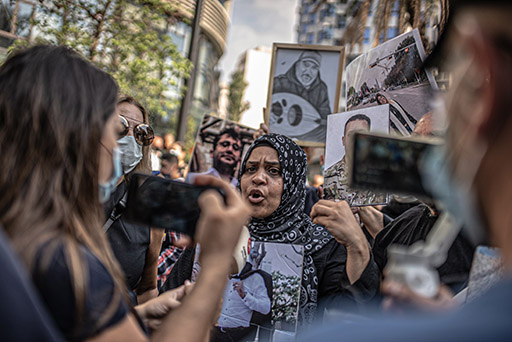
Many social justice and rights-based organisations and activists are influencing in conflict areas and where there is a closing of space for civil society to operate. There is a growing global trend to restrict the rights to freedom of association, assembly and expression. Groups which hold power may feel threatened by any attempt at change and be fearful of losing their power or patronage. In such contexts, activists may be intimidated, threatened, imprisoned or attacked simply for defending their rights or the rights of others, of environmental and social justice. They may experience political and public backlash and online harassment from individuals or groups.
In these contexts, the possibility to effect change through direct influencing is likely to be limited. International activism in solidarity with local and national human rights defenders is a critical route to supporting change in situations like this but also carries risks.
Those groups in power always rely on others to maintain their position. They might have a popular support base, support from wealthy business elites or the military or media, and they might have support from outside the country.
Influencing in such contexts requires as much knowledge as you can realistically gather about the interests and incentives as well as the concerns and fears of the power holders and their supporters. It requires changemakers to develop an acute sense of risk and a willingness to take the appropriate level of risks. Speaking out explicitly about repression and rights violations is clearly not always possible, and in some cases may do more harm than good. In such cases, bearing witness and recording what is occurring is also a vital action.
As a changemaker it is important to be aware of the space that you have to act and that you can understand and mitigate the risk to you and to others as you make choices about different types of action. We will deal with mitigating risks in more detail in Unit 7.
5.6 Mapping who has power and influence

