Start your rewilding journey
| Site: | OpenLearn Create |
| Course: | Introduction to Rewilding |
| Book: | Start your rewilding journey |
| Printed by: | Guest user |
| Date: | Sunday, 4 October 2026, 4:05 AM |
Introduction
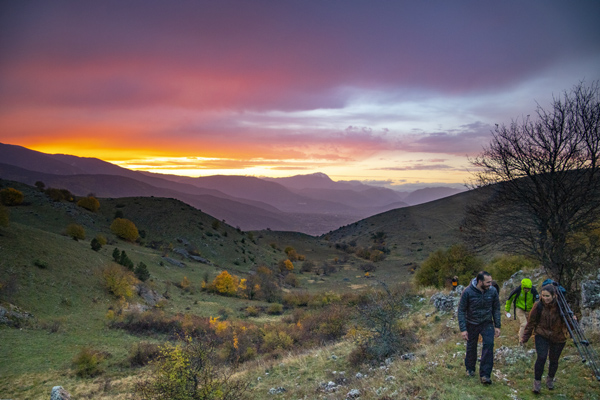
Sundowner hike during gathering in Pettorano Sul Gizio Credit: Nelleke de Weerd / Rewilding Europe.
Rewilding is a holistic approach where nature is given space and freedom to recover. This recovery can enhance and diversify the benefits nature delivers to people.
Most of the examples of rewilding initiatives featured so far have been led by non-profit organisations dedicated to rewilding and nature restoration. But there are many ways to contribute to the rewilding movement and many sources of inspiration for you as you begin your own rewilding journey.
In this module, we will introduce you to different types of rewilding initiatives. You will learn how they began and explore some of the issues that those beginning practical rewilding may need to consider.
You will also develop a personal rewilding plan, which will give you the opportunity to formulate your own ideas about how you can start rewilding.
 Learning outcomes
After completing this module, you will have:
- Reflected on the diverse experiences of others to determine ways that they can include rewilding in your own plans.
- Created a personal rewilding plan to use in the future.
How to start rewilding
You don't need to own a large area of land to join the rewilding movement. For nature to recover at scale, we need people everywhere to agree that wild nature has a home in Europe, and to commit to living alongside it. This will require a paradigm shift in how most Europeans view nature.
1 Inspiring others to rewild
To enable this shift in how most Europeans view nature we need to engage people of all backgrounds and inspire nature-positive thoughts and actions by providing hope, passion and purpose.
Use the Next and Prev buttons below to view the many forms this can take and use the full-screen icon to enlarge the images. Here we use the example of an animal release, but the same is true for rewilding a river, forest or reef.
1.1 Case studies 1
Scotland
SCOTLAND: The Big Picture (n.d.) works to drive the recovery of nature across Scotland through rewilding in response to the growing climate and biodiversity crises. It was founded in 2008 by a group of photographers, filmmakers and writers, united by a determination to champion rewilding. In 2020 the organisation transitioned from a social enterprise to an independent charity. Today, SCOTLAND: The Big Picture is turning the tide for nature through compelling communications and advocacy while also enabling more rewilding on the ground in collaboration with a wide range of partners at different scales and across different settings.
Watch this video by Executive Director Peter Cairns to learn more about SCOTLAND: The Big Picture.
Sylvester
In 2022 a group of young people driven by a dream of a wilder Europe came together and began rallying others to join them. Realising that money was the main obstacle for them and their peers they began Sylvester (2023), a new model where people can contribute smaller amounts of money that is then used to buy, protect and rewild land in Europe. Together, few can afford to buy land, but united the opportunities are huge.
Learn more about the work of Sylvester.
2 Accessing land for rewilding
There are different ways to access land. From private estates in Scotland to hunting concessions in Croatia, areas of land and sea across Europe are owned, used and managed by different people and organisations in many different ways.
Those who want to engage in practical rewilding require access to land. As very few of us already have land of our own we need to find other ways to access it.
Click on each icon below to learn more about the main ways to do this.
All of these approaches have their advantages (pros) and disadvantages (cons).
|

2.1 Case studies 2
Scotland
When part of a large private estate in Scotland was put up for sale the local community knew they needed to seize the opportunity to buy the land and bring it under local management for the community and nature.
Go to Rewilding Britain and scroll to page 29 to learn what happened next.
Spain
In the Iberian Highlands of Spain, Rewilding Spain (n.d.) have been able to access 20,000 hectares of land for natural grazing. Owned by the local municipal government, local farmers had previously paid for the right to graze their animals on this land. But with so many people leaving the area to live in cities the land had become almost unused. With the impact of grazing removed scrub began to encroach and dead plant matter accumulated. This not only increased the risk of catastrophic wildfire outbreaks but also deprived the municipal government of a source of income.
Rewilding Spain has been able to lease the land and as it is already designated for grazing, release semi-wild horses in the area, supporting the recovery of the endangered Przewalski's horse and bringing all the benefits of natural grazing.
Watch this film by Emmanuel Rondeau (Rewilding Europe, 2024) to learn more.
Sweden
The Vindelälven-Juhttátahkka Biosphere area is Sweden's largest biosphere area. Covering 1.3 million hectares it encompasses mountains, rivers, forest and coast. Within the Biosphere Reserve representatives from three reindeer herding communities are joining forces with the Biosphere Authority, Rewilding Sweden and other local organisations.
Together they aim to create and expand more natural conditions where the reindeer can graze and move freely in the forests, and in winter along frozen rivers, following their migration routes.
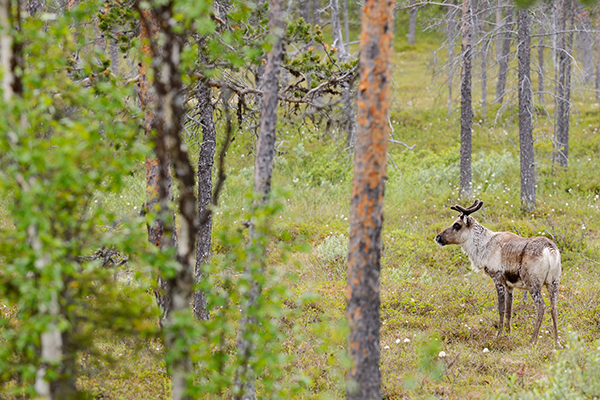
Reindeer in Nordic Taiga, Sweden. Credit: Staffan Widstrand / Rewilding Europe.
3 Ensuring legal compliance
Legal context
The law is present in almost every aspect of our lives. Those who decide to embark on a hands-on rewilding journey need to know what areas of law are involved.
Existing legal regimes were not designed with rewilding in mind. Rewilding practitioners will find that although there may be some restrictions to overcome, legal frameworks also offer opportunities to support and strengthen the impact of rewilding.
Legal areas to consider
These are some of the relevant areas of law involved in rewilding as well as some key questions that those looking to access land and rewild it should ask.
Click on each list item below to gain more knowledge:
Legal responsibilities and liabilities
Taking inspiration from the law
Laws that are relevant to rewilding can be used to advance and support rewilding. Thinking creatively to come up with legal solutions can be both motivating and productive. It is also inspiring to see how legal obligations around nature protection and recovery can be enforced to benefit both nature and people.
The power of law also comes from its replication effect. Policies and legislation can be influenced by good practices elsewhere. As a rewilder you can stay on top of the latest legal developments applicable to rewilding and advocate for them to be replicated in your area.
Case study – Portugal
To ensure the land they own is used for rewilding in perpetuity, Rewilding Portugal (n.d.) is moving from an association to a foundation. This change means that even if Rewilding Portugal disappears this rewilding purpose for the land will remain. Future generations will be able to witness the impact of rewilding across an extensive area because a group of ambitious people leveraged legal opportunities to safeguard their rewilding efforts.
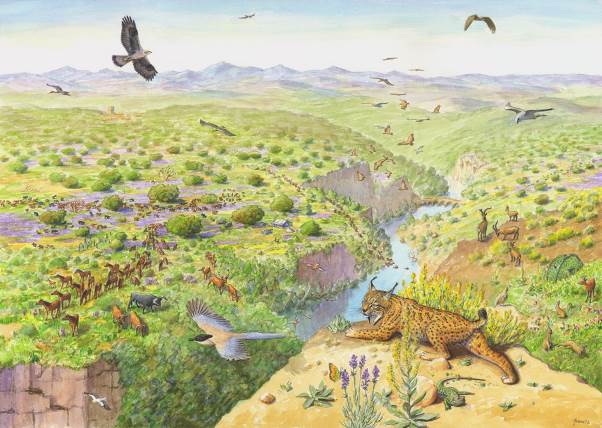
Greater Côa Valley, Portugal. Credit: Jeroen Helmer / ARK Rewilding Netherlands.
You can find more information on rewilding and the law in the Further Reading and Resources section of this module.
4 The business of rewilding
Many of the examples above show how non-profit organisations such as foundations or community interest groups can work with others to influence how land is managed. The for-profit sector also has an increasingly important role to play in rewilding.
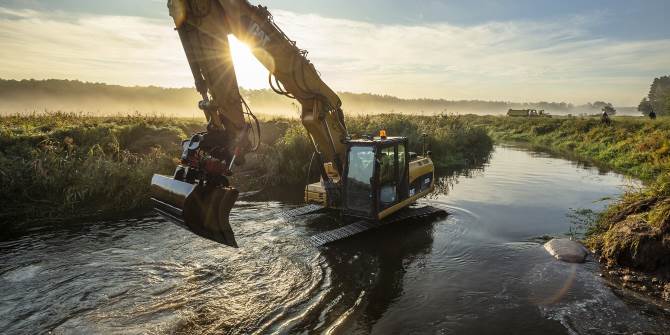
Gravel bed restoration on the Ina River in the Oder Delta. Credit: Neil Aldridge / Rewilding Europe.
Rewilding aims to make the recovery of nature more profitable per hectare than more destructive forms of land use. This means there is an opportunity to make a financial profit from rewilding and for-profit businesses are starting to move into this space.
Some of the types of businesses involved in nature recovery and rewilding are:
- Land agents, agriculture and forestry contractors who offer advice on land use and land sales.
- Ecological consultants and contractors who assess and undertake work to help nature recovery, like removing dams or filling ditches.
- Carbon and natural capital project developers who help create certified carbon credits and can advise on the different standards, codes and methodologies.
- Real estate companies who buy land and may manage it for nature, creating a profit from carbon credits, forestry and rents.
If you are considering a career in rewilding these types of organisations can also be relevant places to look for opportunities.
If you already work in these sectors are there opportunities to raise or suggest rewilding ideas and initiatives in your workplace?
5 What will you do?
Find out about how others have started their rewilding journey without owning land.
Click on each of the photos below and then use the Next and Prev buttons to read their full stories.
Now it’s time to reflect on how those experiences relate to you. What are your rewilding interests? What are the actions that you will take?
To capture your ideas, open this Personal Rewilding Plan template in a new tab. This document is for you to capture your own ideas about starting rewilding, including those who can help you get started.
Keep your personal rewilding plan open in a separate window and complete it as you work through the remainder of this course.
6 Rewilding pathways
Follow your rewilding pathway.
First, open your Personal Rewilding Plan template.
Now start with Question 1 below.
Question 1: Which rewilding route is right for you?
- I want to work on the land or in the sea
- I want to inspire and educate people
- I want to use funds, finance, knowledge or technology to help rewilding
- I have another idea!
Now go to question 2.
Question 2: What do you most need to get started?
I need... (click on your choice from the list below):
When you are ready you can move on to the next section in the module.
7 And finally – enjoy rewilding!
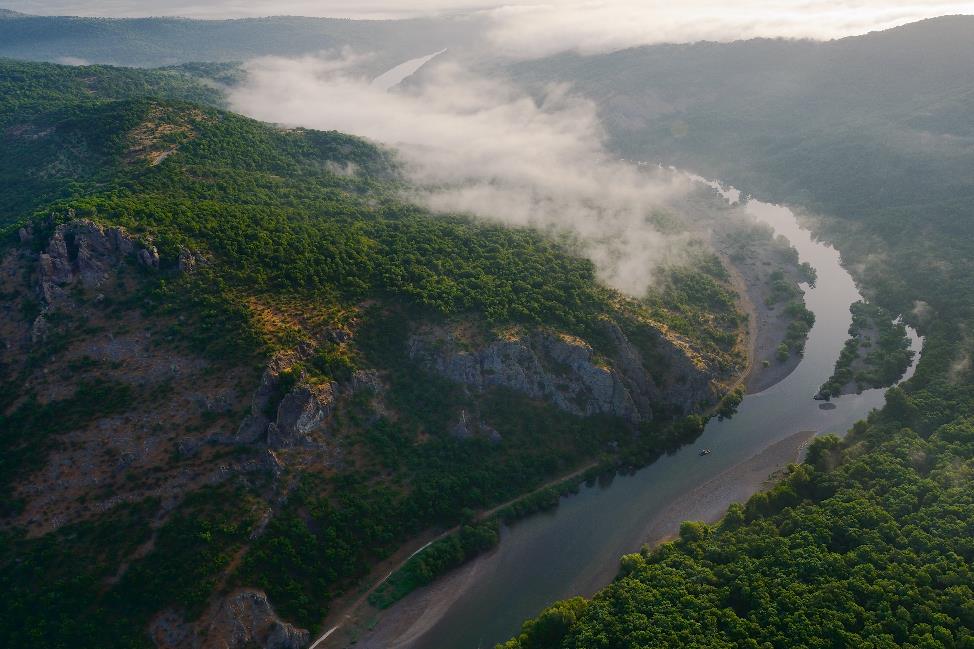
Flight shots over the Arda river canyon, Madzharovo, Eastern Rhodope mountains, Bulgaria. Credit: Staffan Widstrand / Rewilding Europe.
There are many things you can do to support rewilding while having fun:
- Visit a member of the European Rewilding Network or a Rewilding Europe landscape. Consider booking through wilderplaces.com to make sure your visit truly benefits rewilding.
- Respect nature wherever you are. Kayak, run, swim or trek in designated areas or trails to avoid disturbing wildlife.
- Buy handicrafts, jewellery, shoes and even music from companies that support rewilding.
- Choose what you eat with rewilding in mind. Choose from sustainable local suppliers, a plant-based diet and organic options.
- If you are under 30, join the European Young Rewilders and connect with hundreds of like-minded people from across Europe.
- Subscribe to a rewilding newsletter to keep learning about opportunities in your country or connect with Rewilding Europe for Europe-wide inspiration.
End this course with a feeling of ‘let's do this!’
Feel inspired and empowered by the fact you are joining a growing movement of like-minded people who want to bring about positive change by supporting nature recovery. By helping nature heal, your actions can benefit both nature and people and contribute to the realisation of a better future for our planet.
Your decisions and actions can make a difference – completing this course is just one step in a long and rewarding rewilding journey!
Watch the video below where Frans Schepers shares his rewilding journey with you.
8 Module summary
Congratulations, you’ve completed all eight modules of the course!

Now that you have completed this module, you should be able to:
- Recognise the rewilding principles and how they are used on land, in freshwater systems, and in marine environments.
- Identify the different groups of people that are relevant to rewilding and plan how you would work with them in real life.
- Anticipate the potential contribution rewilding can make to rural communities, as well as people’s concerns, and select the best tools and approaches for the situation.
- Determine which rewilding models are most relevant to a particular place as we work to help nature restore itself.
- Identify the nature and natural processes that are missing from the European landscape and create your own bold vision of the future.
- Reflect on the experience of people leading the rewilding movement and make your own practical rewilding plan.
If you've completed every module and passed every quiz you will have been awarded eight badges.
|
|
|
|
|
|
|
|
|
|