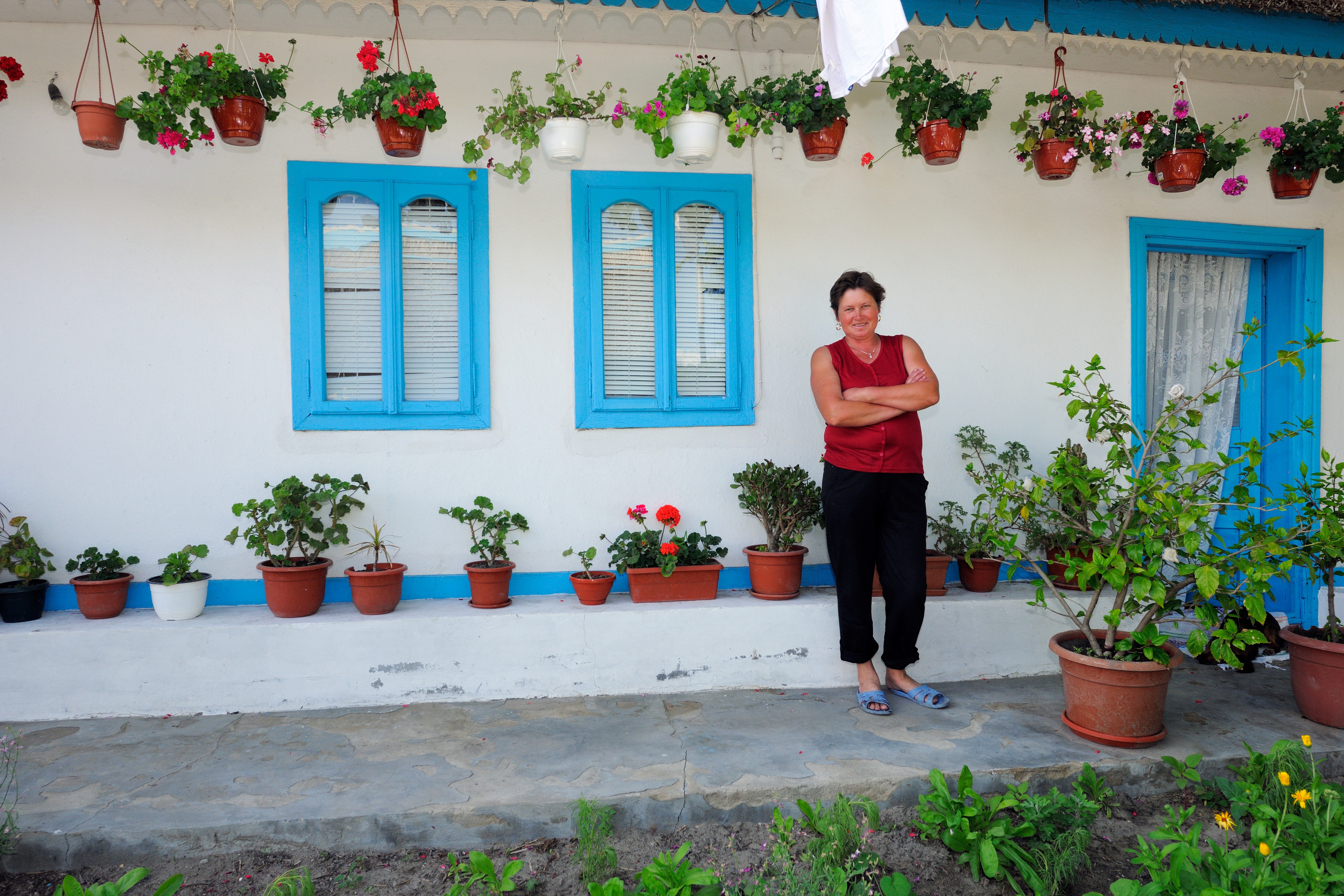
Caption: Guesthouse owner in the Danube Delta, Romania. Credit: Staffan Widstrand / Rewilding Europe
There are different types of money available for rewilding activities.
Click on each of the list items to find out more:
-
Large operational grants
Large applied or operational grants are usually awarded to organisations to undertake a specific package of work. There is usually a formal application process and timeline, and clear criteria for what they will and will not fund. If you do receive funds there are also rules about reporting and financial management. This type of funding usually comes from local government, philanthropists, lottery funding or businesses.
-
Grants for individuals
Grants are also available for individuals. These are often to carry out a smaller initiative or activity that contributes to a larger goal. Individual grants are available through foundations, and through sub-grant schemes from non-profits. These grants can be ideal for specific short-term activities such as events, community actions or producing and sharing educational materials.
-
Business loans
Business loans are available to companies and enterprises that want to make their business more nature-friendly, and need some initial investment to get started. This funding is available from ethical banks and initiatives such as Rewilding Europe Capital. Interest is usually charged, and the loan must be paid back over a certain time period.
-
Fundraising and sponsorship
Some people take on challenge events such as long-distance runs or bike rides to raise money through sponsorship. Others arrange an event that can raise money, such as by selling tickets for a gig, movie screening or dinner, where the venue and entertainment are donated. There are online platforms that can help you manage sponsorship and donations, but most will only accept fundraising for a registered charity, to avoid their service being misused.
-
Research grants
Research grants are usually awarded to pursue a specific piece of research related to rewilding. These are available from research and scientific government departments, often via universities. You usually need an academic affiliation to apply for them.
-
Crowd funding
Crowdfunding is a way to secure small amounts of money from a high number of individuals, usually to start a new initiative, product or business. Online platforms such as CrowdFunder, Crowdcube, GoFundMe, and KickStarter enable you to promote your idea to individuals who then support you with financial contributions. Usually, rewards or recognition are offered to the person contributing, and the more they donate, the better the rewards.
-
Reducing costs
Another approach is to reduce costs rather than to raise funds. Consider the rewilding action you want to carry out. Are there any items that could be donated? Could time be volunteered? What can you offer in exchange for donations of time and items? Publicity can be appealing to companies, while volunteers might want to gain experience, contacts or new skills.
Write down the types of funding that best fit you in your personal rewilding plan. What are the first steps you need to take to make this happen? Who can help you to do this?
Finding funding relevant to your initiative
There are different ways to find sources of funding for your rewilding initiative.
Look at the rewilding organisations, initiatives and individuals in your country. Find out who they are in the section on finding contacts.
Search on their website to see who is funding them. Then check the website of those funders. What else do they fund? Is it relevant to you?
Some countries have specific networks of environmental funders, whose members are listed on their websites. These are good to review to see if your plans are relevant to their interests. At European level, the Philanthropy Europe Association convenes philanthropic trusts and foundations from across Europe, including an Environmental Funders Group. They produce reports on philanthropic giving in Europe - a great starting point for learning about trends in the sector and exploring funders that are relevant to you.
As you’ve learned throughout this course, rewilding is a holistic approach and many different people and sectors contribute to its success. For this reason, funding opportunities don’t have to be called ‘rewilding’ to be relevant. Look at your own idea again. Does it include youth, education, campaigns, media, water quality, climate change mitigation, music, law? Funders often focus on a specific sector such as environment or the arts, and your idea may include several sectors.

Caption: Ranger Matei having an interview for a german television about the bison transport. Credit: Daniel Mirlea
Remember that different funders have different requirements about what they will support. Often these relate to where the money will be spend, whether they will give to an individual bank account or only to an organisation, and the types of activities that money can be spent on. Always check the guidelines carefully before you spend time applying.
Back to my options


