

I need to access some land
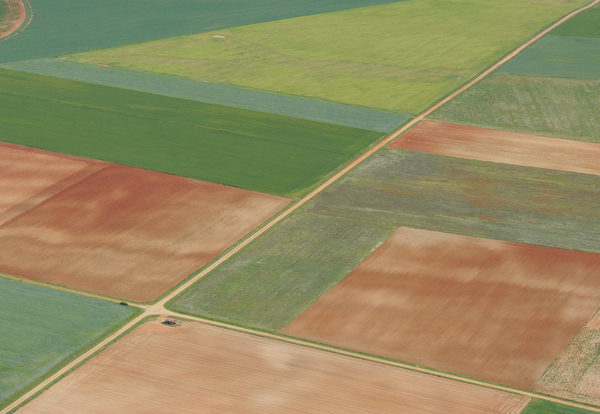
To identify the most suitable land access approach for you, consider these questions:
-
Look around your area. Who owns land? Who manages land? What is the land designated to be – a farm, a community area, an orchard? Who is allowed to use it?
To find out, you can consult the land registry, local maps, the municipal council or a specialist land agent (this will often be different to those who deal with property and commercial sales).
-
Meet and talk. Get to know local landowners and users, and build their understanding of rewilding, so that when an opportunity arises you are the first to know.
-
Welcome small opportunities that take you towards a bigger goal. A local meeting to improve biodiversity in a recreational park or school field can be a valuable place to explain rewilding, bring some land to a more natural state, and inspire others to join you. Demonstrating rewilding provides a real-life practical example that others can follow.
-
If you pursue a partnership approach, consider what the benefits are for the landowner or manager. This varies with the site and their interests, and can range from the pride and satisfaction that comes from owning a naturally vibrant piece of land, to new economic opportunities and reduced management costs.
-
See whether there are opportunities to volunteer of take seasonal work in a land management capacity, for example, as a ranger or at a local nature reserve. This can be a valuable way to build knowledge and networks that can create opportunities to influence what is done on that land.

