2.6 Environmental factors (biotic)
Environmental factors play a critical role in determining the welfare of farmed aquatic animals. These factors can largely be grouped into two categories - biotic factors and abiotic factors. Understanding these categories and their interplay is essential to informing on targeted strategies and research work to optimise aquatic animal welfare and address the challenges posed by the environment effectively.
This section considers the main biotic factors, which are those relating to living organisms such as pathogens, predators, and other species/conspecifics. Biotic factors tend to govern the interactions with living organisms that are relevant to farmed aquatic animal welfare (e.g., disease dynamics and social behaviours).
Water quality (stocking density, algal blooms, waste / uneaten feed etc.):
Biofouling (algal accumulation in areas of an enclosure, such as nets) can affect the flow of water, and poor water flow can also cause localised oxygen depletion. Algal blooms can also affect pH balances, whereas collapsed blooms can deplete oxygen levels and release ammonia into the surrounding area. All of these processes can compromise the living conditions and health of farmed aquatic animals in a variety of ways: physiological stress / suffocation through hypoxia, toxin production and clogging of gills through certain algal blooms and ammonia buildup, and increased disease susceptibility.
Non-infectious diseases (environmental, nutritional, and hereditary)
Diseases that arise from production practices are often a result of poorly managed nutritional, environmental, and/or breeding strategies. Nutritional ailments can arise from toxins, micronutrient deficiencies, or simple malnutrition (lacking or excessive). Examples of such nutrition-based diseases include:
|
Type of poor nutrition |
Disease(s) involved |
|
Histidine deficiency |
Cataracts |
|
Phosphorous deficiency |
Spinal deformities / scoliosis |
|
Rancid feed |
Fatty liver syndrome |
|
High-energy diets |
Cardiac disease / fatty deposits in cardiac ventricles |
Opercular and jaw deformities can often arise with poor rearing and/or breeding practices (e.g., inappropriate ambient temperatures while rearing fry or genetic modification). Other examples of non-infectious diseases are soft tissue malformations, including eye lesions, swim bladder deformities, or heart deformities (hypoplasia or situs inversus)
Apart from likely causing some level of suffering, diseases that impair biological functioning (e.g., cardiac abnormalities) often reduce an animal’s ability to cope with stressors. Consequently, these individuals are typically the first to die during the previously mentioned stress-related practices. Many non-infectious diseases, (particularly damage of the fins, scales, or operculum) can increase susceptibility to infectious diseases by providing an entry point for pathogens and parasites, further compromising the animals’ welfare.
Infectious diseases (bacteria, viruses, parasites, fungi):
Dense populations reared in exposed environments inevitably leads to outbreaks of infectious diseases. Certain bacterial diseases still present widespread, serious issues within aquaculture. Streptococcus agalactiae, Edwardsiella ictaluric, and Flavobacterium columnare are some examples of devastating bacterium that have caused widespread losses in tilapia (O. niloticus) and striped catfish (P. hypophthalmus), and likewise with Luminous vibriosis in shrimp. However, the development of vaccines and antibiotics have helped limit the spread and impact of these pathogens.
Viral diseases present their own threats, as there is typically a lack of effective vaccines available to deal with viruses. In shrimp aquaculture, Monodon baculovirus (MBV) and white spot syndrome virus (WSSV) have devastated shrimp aquaculture. Other examples include Koi herpes virus that impacts common carp and koi carp.
Many of the diseases listed above have caused mass mortalities in their respective aquaculture species. This suggests that the rapid growth of these markets and farming sites has caused a shift in how these fish are grown. Displacement from natural environments into high density farms while being exposed to various stressors, artificial feeds could potentially suppress the immune systems of these animals, with increasingly complex trade and supply chains introduction of new pathogens and new routes of contact between hosts, all leading to the emergence of new viral outbreaks.
Ultimately, effective disease control measures, biosecurity practices, and healthy / immunocompetent livestock are paramount towards mitigating the risks posed by pathogens and parasites.
Predators:
Aside from injuring or killing farmed aquatic animals within their enclosures, simply the presence of natural predators alone can have serious welfare impacts by causing extended periods of fear and stress for animals that can perceive the potential threat in direct proximity to them. This chronic stress / fear is often manifested by behavioural changes or impacts in feeding, both of which can then have knock on effects to the animal’s health and well-being.
Video clips of crab predators
Crabs can be significant predators on juvenile fish and shrimp in brackishwater aquaculture ponds, so measures to restrict their access are frequently needed. A fine mesh screen if well positioned and maintained, can be a reasonably effective measure to minimise access for a range of smaller predators such as crabs, snakes and mammals.
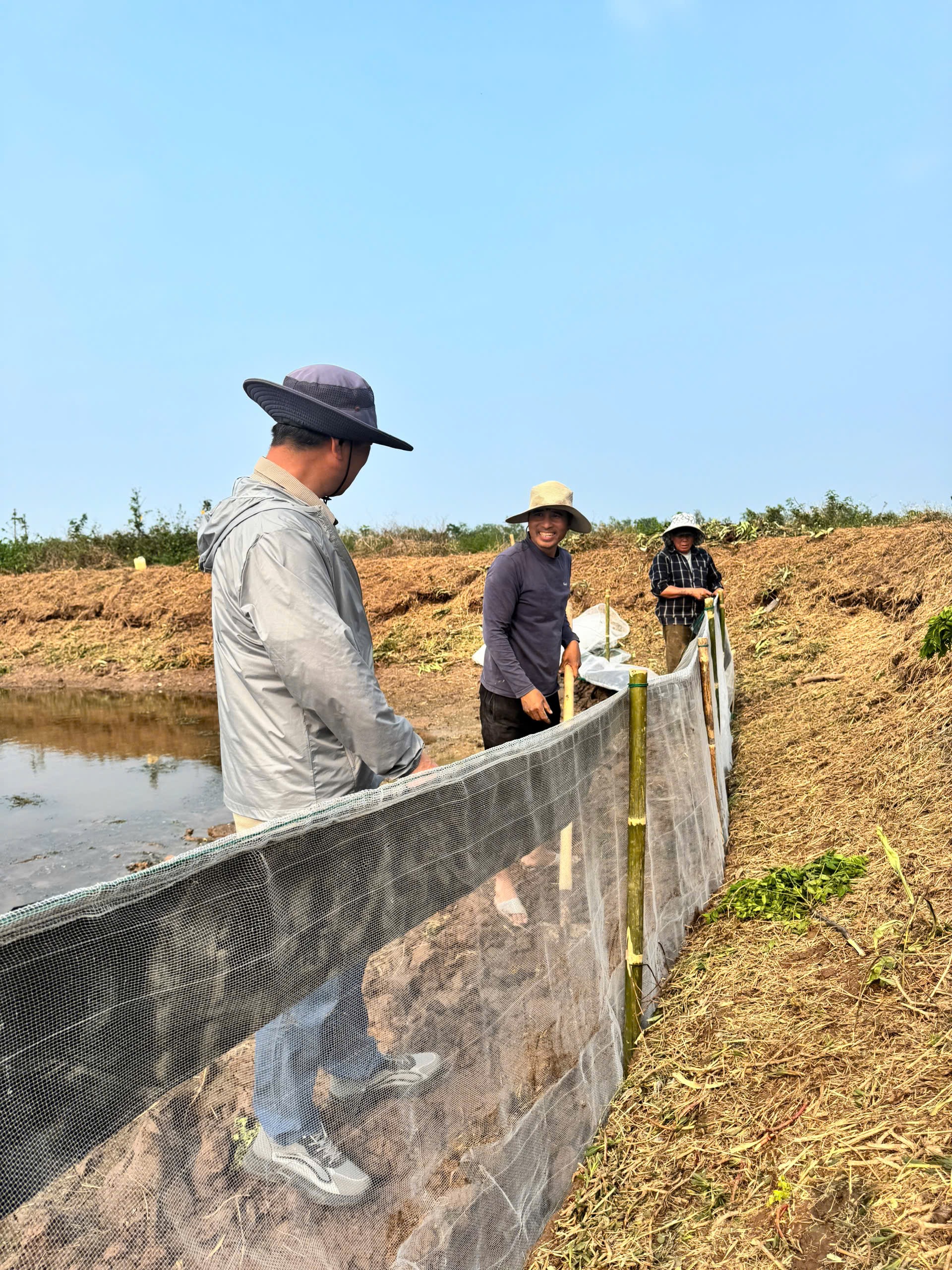 Figure 2.2: Constructing an anti-predator fence within a brackishwater pond
Conspecific interactions / social behaviours:
As will be covered in the next module, many stressors are intimately linked with the behaviour of the animals; while stress can trigger behavioural changes, forced behavioural changes (e.g., restricted movement / confinement) can also cause stress of its own to the animal. Managing such species-specific behaviour, either by supporting the behavioural needs or preventing deleterious behaviours, is therefore crucial to ensuring their welfare.
Aggression and competition for feed vs. social behaviours are also the costs & benefits frequently influencing farmed animal welfare within enclosures.