Course

4 Environmental Monitoring Techniques

Free statement of participation on completion

4 Environmental Monitoring Techniques

About this course

  • 2 hours study
  • Level 0: Beginner

Ratings

3.7 out of 5 stars

Sign up to get more

You can start learning at any time. By signing up and enrolling you can track your progress and earn a Statement of Participation upon completion, all for free.

View this course

Sign up to get more
    • Introduction

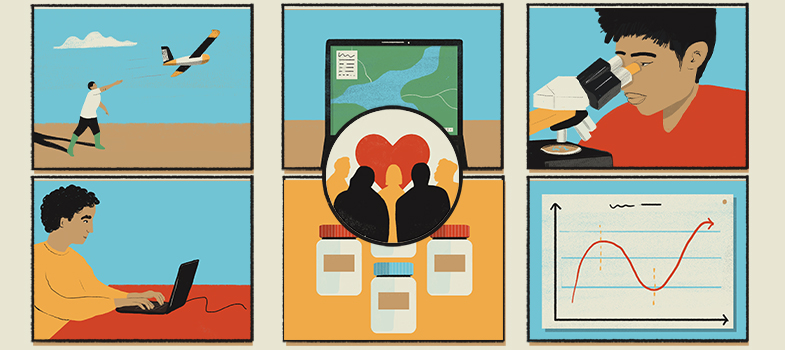
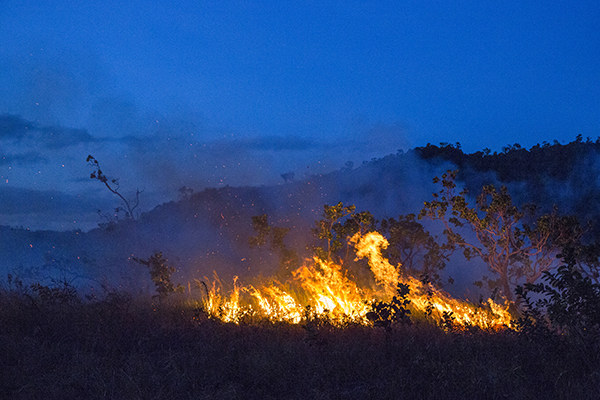
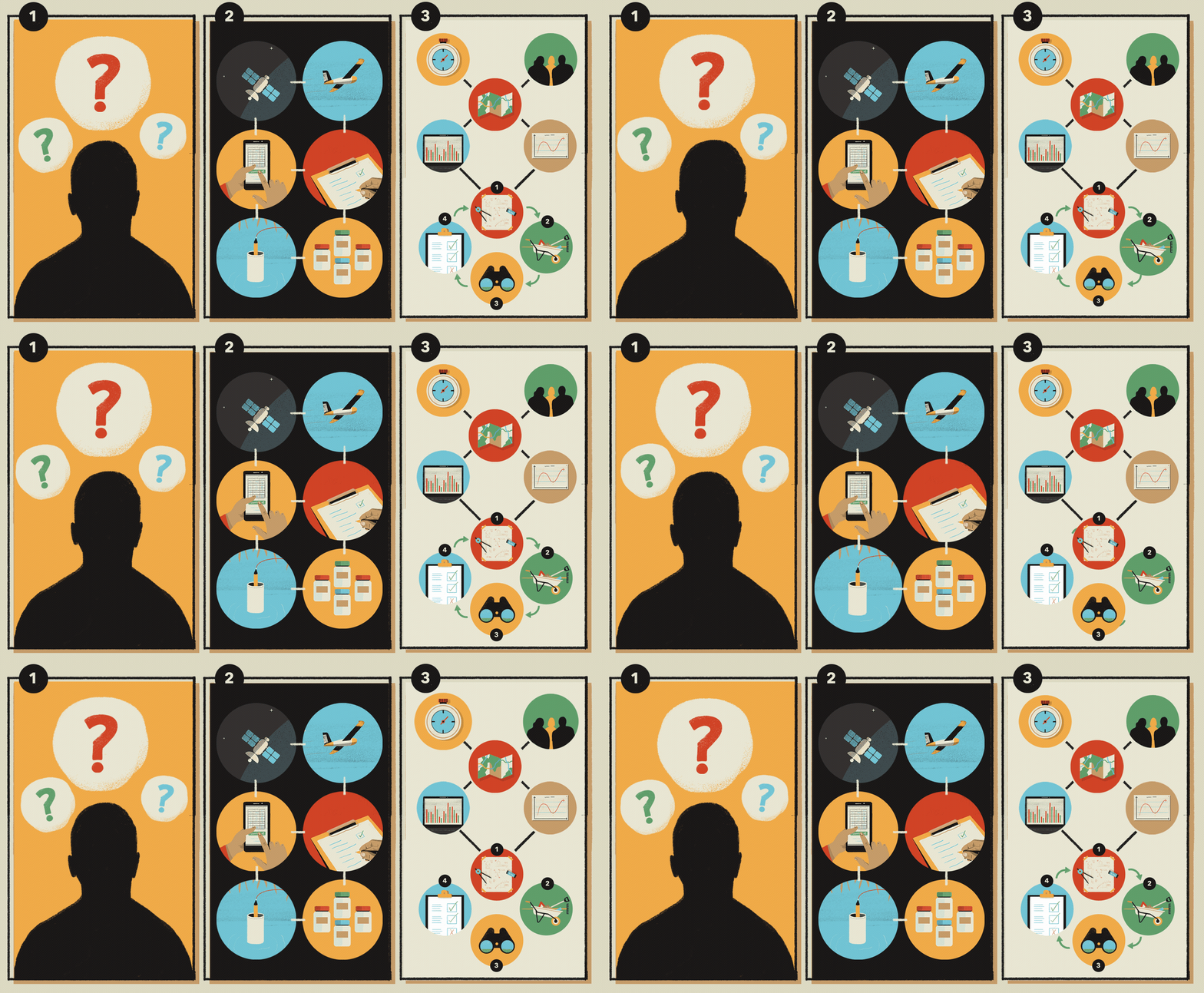
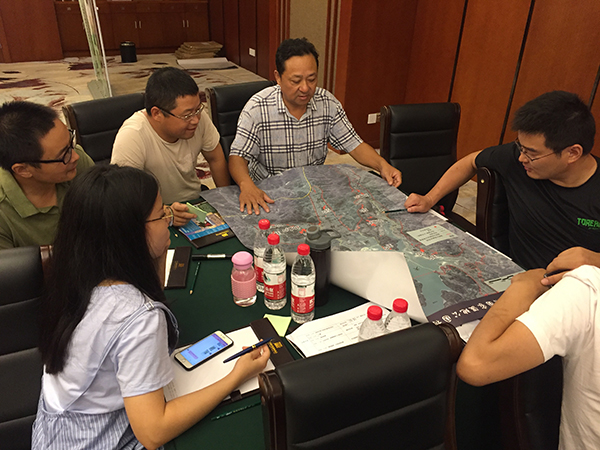
      Environmental monitoring is a way of understanding the current condition and any changes that occur in the environment. Environmental change can occur to water, the land, the air, to plants and animals. Understanding environmental conditions and changes can help support management activities, support policy development and its implementation, and develop information for sharing with the community, government and the wider public. The aim of this unit is to introduce why it is important to collect environmental data, some of the different methods that can be used, how to plan a monitoring study and how to analyse and share the information.
  • This course is part of a collection

    This course is part of a collection

    This course is part of a collection of courses called Community Environmental Management. There are 7 courses in this collection so you may find other courses here that maybe of interest to you.

    See this collection

  • Course learning outcomes

    At the end of the unit, you will have an understanding of:

    • Why it is important to collect environmental data
    • The different methods of collecting environmental data
    • How to plan a successful monitoring study
    • How to analyse and share the finding of an environmental monitoring study


  • Course dates:

    First Published 17/08/2021.

Course content

Below is the course content. You can click on any section here and it will take you through to this section of the course.
  • Expand4.1 What is environmental data and why collect it?

  • Expand4.2 What you can use to collect environmental data

  • Expand4.3 How to plan an environmental monitoring study

  • Expand4.4 How to analyse and share your environmental monitoring study

  • ExpandConclusion

  • ExpandAcknowledgements

Course Reviews

18 Ratings

21 reviews for this course

This course is rated 3.7

We invite you to discuss this subject, but remember this is a public forum.

Please be polite, and avoid your passions turning into contempt for others. We may delete posts that are rude or aggressive; or edit posts containing contact details or links to other websites.

Course reviews

  • Thu Phan

    4 Environmental Monitoring Techniques

    Thu Phan23 July 2026 1:01

    I completed this course. Yay!

  • Abdullahi Dhiblawe

    Abdullahi Dhiblawe9 July 2026 7:21

    Rating entered. No review given

  • Junior Mamba

    Environmental monitoring techniques

    Junior Mamba14 April 2026 8:17

    *Air* - Continuous analyzers = legal real-time. Passive samplers = cheap averages.
    *Water* - Grab + lab = compliance. Sondes = real-time trends.
    *Noise* - Class 1 meters = legal. Loggers = 24/7.
    *Soil* - Cores + lab = accurate. XRF = quick screen.
    *Ecology* - Quadrats = plants. Camera traps = animals.

More reviews

21 reviews

About this course

  • 2 hours study
  • Level 0: Beginner

Ratings

3.7 out of 5 stars

Sign up to get more

You can start learning at any time. By signing up and enrolling you can track your progress and earn a Statement of Participation upon completion, all for free.

View this course

Sign up to get more

Course rewards

  • Free Statement of Participation on completion of these courses.