You can start learning at any time. By signing up and enrolling you can track your progress and earn a Statement of Participation upon completion, all for free.
Please note: These resources are hosted on this site as a record of a project.
The courses and resources in this project have not been updated since
the project ended and none of them have course completion tracking set
up or a Statement of Participation.
This course is part of a collection
This course is part of a collection of courses called Climate Change resources. There are 18 courses in this collection so you may find other courses here that maybe of interest to you.
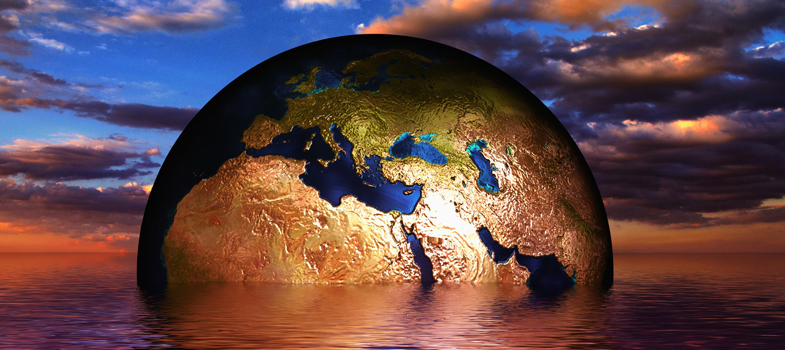
This introduction considers how human activity has changed the natural
process known as the greenhouse gas effect resulting in global warming
and climate change.
This unit seeks to identify a workplace’s impact on global climate change through its emissions of greenhouse gases (GHGs), notably carbon dioxide (CO₂), the most common such gas. It will then provide some guidance on how best to reduce that footprint, looking in turn at behavioural and management issues, relatively straightforward physical measures and transport.
We invite you to discuss this subject, but remember this is a public forum.
Please be polite, and avoid your passions turning into contempt for others. We may delete posts that are rude or aggressive; or edit posts containing contact details or links to other websites.
This course is made available under CC BY-NC-SA 4.0: The Open University
Any third-party materials featured in this course are used with permission and are not ours to give away. These materials are not subject to the Creative Commons licence. See the
terms and conditions and our FAQs. Please see the course acknowledgements for further information about copyright details.
For further information, take a look at our frequently asked questions which may give you the support you need.
You can start learning at any time. By signing up and enrolling you can track your progress and earn a Statement of Participation upon completion, all for free.
This course is made available under CC BY-NC-SA 4.0: The Open University
Any third-party materials featured in this course are used with permission and are not ours to give away. These materials are not subject to the Creative Commons licence. See the
terms and conditions and our FAQs. Please see the course acknowledgements for further information about copyright details.
For further information, take a look at our frequently asked questions which may give you the support you need.