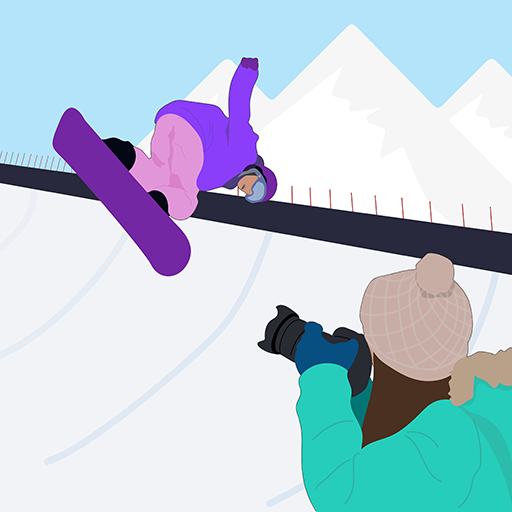
Show description|Hide descriptionA young snowboarder is performing a somersault. A female photographer is taking shots of the action.
Images and videos of children and adults in sport play an important, legitimate, and positive role: for parents who want to record their children’s successes; for coaches who may want to use them to improve the teams’ performance; and for organisations that want to promote and celebrate their programmes and activities.
However, images like these can be shared very easily, and can be misused, so care needs to be taken to avoid potential safeguarding concerns. In particular, consent must be obtained from the subject of any photo, and if the subject is a child, their parents/guardians should also give consent.
In this section, you will think about safeguarding considerations in producing, using, and storing images (photographs and videos), particularly of children.
What are the main risks in sharing players’ images?
Click on each statement below to read more information.
Active content not displayed. This content requires JavaScript to be enabled.
Show description|Hide descriptionImages may help children to be identified. When images are published alongside information that helps to identify the child and any other personal identifiable information, such as home address, family members, etc. and/or the team/sports club, this can lead to unwanted contact by other people. Images may be used to target children. Potential abusers finding and making direct contact with them (face to face or online) in order to groom and abuse them. Images may be inappropriate. The images themselves may be inappropriate or open to deliberate misinterpretation. Inappropriate images can include those taken in team changing rooms. In addition, images can be manipulated by abusers who can alter them. Athletes lose control of their images. Losing control over where and how images are used increases the opportunities for athletes to experience emotional harm or bullying. Some images fail to respect an athlete’s dignity. When images show the subject negatively – for example, a young athlete distressed and upset after making a mistake. Images may be used to blackmail an athlete. Posting or threatening to share photos of an athlete in a state of undress, can be used in blackmail or sports corruption.
Interactive feature not available in single page view (
see it in standard view).
It is important to note that anyone connected with your sport may ‘overshare’ images – parents, and even children themselves, can overshare without realising the risks.
 |
| Responding to concerns about photography |
|
All staff, volunteers, children, and parents should be informed about the potential risks of sharing visual content and that they should report to the organisation if they have any concerns regarding visual content. There must be a procedure in place to ensure that reported concerns are dealt with in the same way as any other safeguarding issue. |
|