

1.10 Stress and the potential impacts on Safeguarding Leads
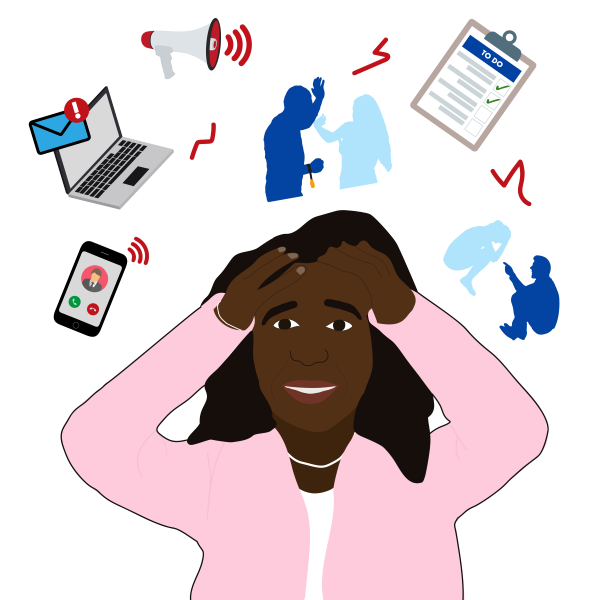
Most people will experience some negative impacts arising from their work. You have seen the sort of challenges Safeguarding Leads may face. What types of impact are likely?
What is ‘stress’?
Stress refers to physical, emotional, or psychological strain. Everyone experiences stress to some degree. The way you respond to stress makes a big difference to your overall wellbeing. Stress can be short or long term. Both can lead to a range of symptoms, but chronic long-term stress can have prolonged effects on health.
Sometimes even small daily stresses from work, family, and friends can impact your mind and body. Stress can also come from being involved with situations that carry extreme emotion and have a big impact on people's lives.
Here are some signs to help you recognise that you might be experiencing stress:
- Psychological signs, such as difficulty concentrating, worrying, anxiety, and memory difficulties.
- Emotional signs, such as being angry, irritated, moody, or frustrated.
- Physical signs, such as high blood pressure, changes in weight, frequent colds or infections, and changes in the menstrual cycle and libido.
- Behavioural signs, such as poor self-care, not having time for the things you enjoy, relying on drugs and alcohol to cope, or burnout.
Although not everyone experiences these effects, you should acknowledge the potential strains of this role and be proactive about seeking support and reducing the possible impact of the work. Act first – don’t wait for a crisis to happen.
1.9 Different ways to influence others

