

2.6 Step 4: Identifying how likely the risks are to occur
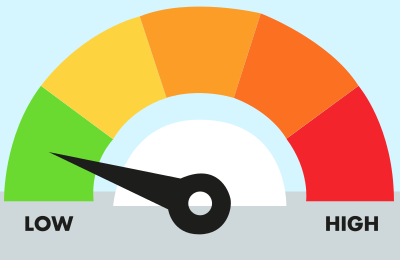
You now need to identify how likely it is that the risks will occur. It is helpful to use three risk probability levels: high, medium, and low.
High: There are currently no mitigating arrangements in place to address the risk – the probability is high because no action has been taken.
Medium: There are some mitigating arrangements in place, but these may not be consistently used, or understood by all – probability of an incident occurring is medium.
Low: There are
 Activity: Identify risk probability levels
Consider the following information about a sport programme. For each risk consider whether the probability is high, medium or low. Where you think the probability is high or medium – identify actions that will reduce the risk further.
Comment
Remember that this focuses on the likelihood of an issue arising. Rating a risk as low probability does not mean that incidents will not happen – or that the impact would not be very serious.
 |
It is simply not possible to remove all identified risks – but you must take all reasonable steps to reduce risks. You should address high rated risks first, as these are more likely to happen. |
2.5 Step 3: Measures to mitigate identified risks

