
Germination requirements: gaseous environment
The vast majority of seeds need oxygen for germination. In most cases, if you reduce the amount of oxygen around a seed, or increase the amount of carbon dioxide, the rate of germination will drop. In module 3, you followed the development of a soybean seed, and saw what an energy-intensive process it is. The cell division required for the embryo and the cotyledons to form takes a huge amount of energy, making very high demands on the surrounding oxygen supplies. Like water, the oxygen required for respiration is usually taken in through the seed coat.
It might be tempting to think seeds also need carbon dioxide, since adult plants do, but in most cases, carbon dioxide is only useful to a seedling after photosynthesis has started, which happens after germination.
Case study: bucking the trend
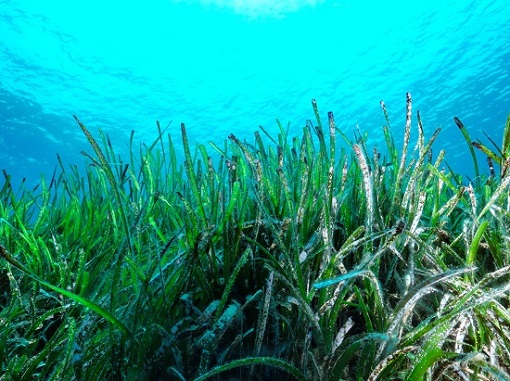
Not every environment where plants germinate is rich in oxygen. In some places, such as the aftermath of flash floods during the monsoon, water stands stagnant and oxygen-starved for long periods. This presents a real challenge for seeds that can only germinate aerobically. Nevertheless, some submersed aquatic species have developed an alternative way to germinate, even in the absence of oxygen, called anaerobic germination. They do this using an alternative metabolic pathway.
These kinds of oxygen-depleted conditions are often found in rice production areas. Certain rice cultivars have the potential for anaerobic germination – a potential win for farmers’ ability to grow rice in places where flooding is increasing due to climate change. However, this ability to germinate under anaerobic conditions is the exception, not the rule.
Germination requirements: substrate