
Find out about The Open University's Natural Sciences courses.
- Read Andrew Norton on what happened immediately after the Big Bang
- Discover how you can study physics and astronomy with The Open University
Take another 60 Second Adventure
-
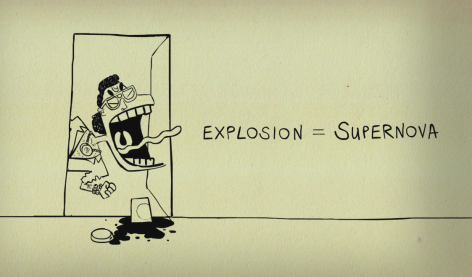
60 Second Adventures In Astronomy: Supernovae
Watch now to access more details of 60 Second Adventures In Astronomy: SupernovaeLearn how all the elements in the Universe were formed, and where, exactly, your favourite silver necklace comes.
Level: 1 Introductory
-
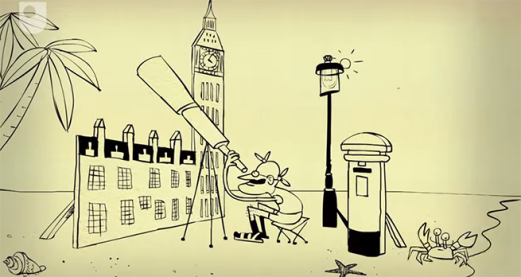
60 Second Adventures In Astronomy: Exoplanets
Watch now to access more details of 60 Second Adventures In Astronomy: ExoplanetsHow have scientists studied distant stars to learn more about exoplanets, the invisible planets that orbit them?
Level: 1 Introductory
-
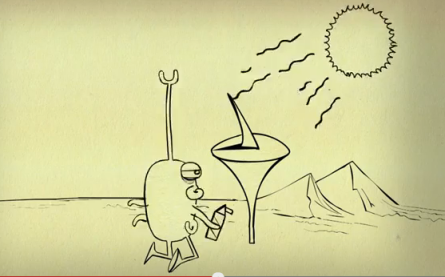
60 Second Adventures In Astronomy: A day on Mercury
Watch now to access more details of 60 Second Adventures In Astronomy: A day on MercuryFind out how you'd pass the time on Mercury - where a single day lasts two years
Level: 1 Introductory
-
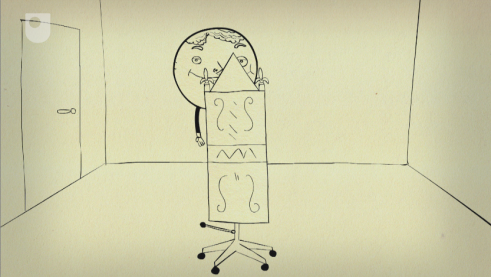
60 Second Adventures In Astronomy: The rotating moon
Watch now to access more details of 60 Second Adventures In Astronomy: The rotating moonDiscover how the Moon's orbit means we always see its best side...
Level: 1 Introductory
-
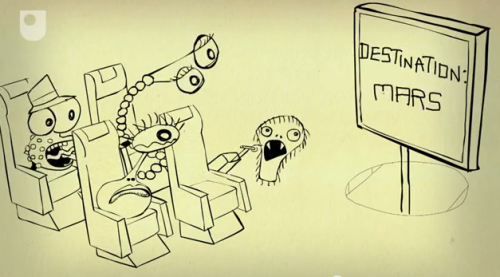
60 Second Adventures In Astronomy: Life on Mars
Watch now to access more details of 60 Second Adventures In Astronomy: Life on MarsDiscover how asteroids and microbes flying through space could hold the secret to life on Earth - and maybe even Mars
Level: 1 Introductory
-
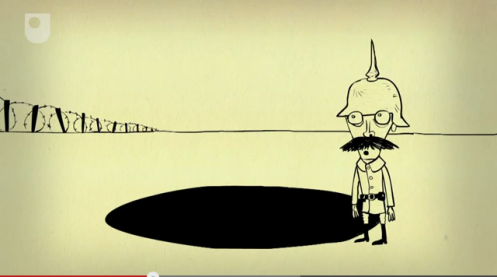
60 Second Adventures in Astronomy: Event horizons
Watch now to access more details of 60 Second Adventures in Astronomy: Event horizonsJust what is the point of no return? German physicist, Karl Schwarzchild calculated the event horizon of black holes. And it can tell us more about the eventual fate of all the galaxies.
Level: 1 Introductory
-
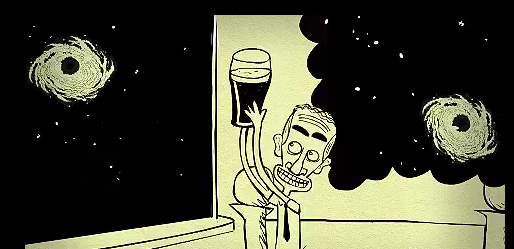
60 Second Adventures in Astronomy: Dark matter
Watch now to access more details of 60 Second Adventures in Astronomy: Dark matterFritz Zwicky was a Swiss astronomer who discovered Dark Matter in the Universe. But what's the matter with dark matter?
Level: 1 Introductory
-
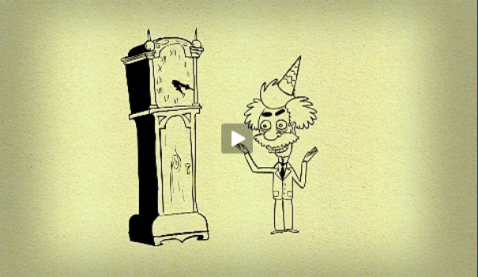
60 Second Adventures in Astronomy: Special relativity
Watch now to access more details of 60 Second Adventures in Astronomy: Special relativityWho had more fun in life, Albert Einstein or Richard Feynman? Whichever one of them was travelling faster
Level: 1 Introductory
-
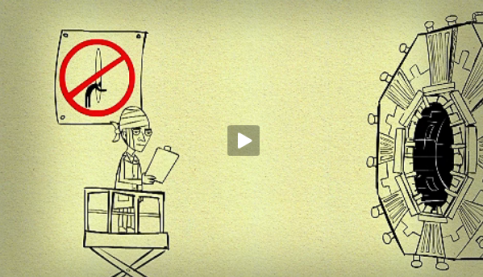
60 Second Adventures in Astronomy: Large Hadron Collider
Watch now to access more details of 60 Second Adventures in Astronomy: Large Hadron ColliderTurns out the Large Hadron Collider is not as dangerous as we thought
Level: 1 Introductory
-
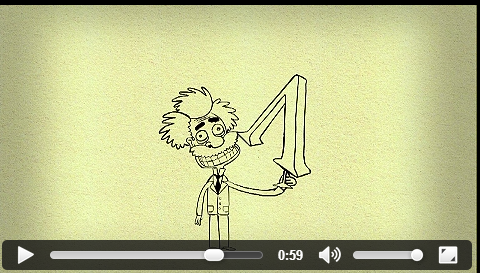
60 Second Adventures in Astronomy: Dark energy
Watch now to access more details of 60 Second Adventures in Astronomy: Dark energyDark Energy explores how Einstein was right all along about the expanding Universe. We never should have doubted him
Level: 1 Introductory
-
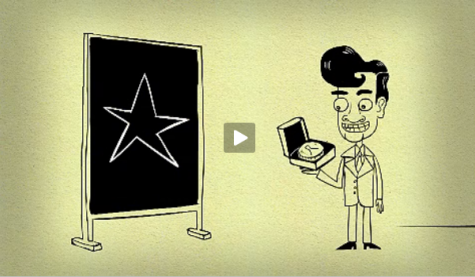
60 Second Adventures in Astronomy: Black holes
Watch now to access more details of 60 Second Adventures in Astronomy: Black holesIs it possible to make your own black hole? DIY experts take note with this animation
Level: 1 Introductory
-
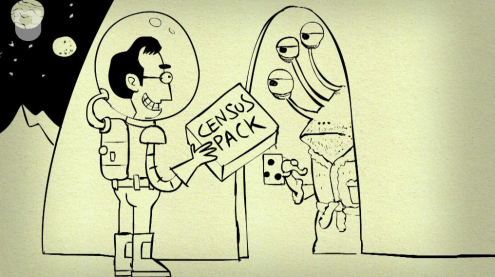
60 Second Adventures in Astronomy: Taking a Galactic Census
Watch now to access more details of 60 Second Adventures in Astronomy: Taking a Galactic CensusCounting stars in the sky is easy - but how do we know how far away they are?
-
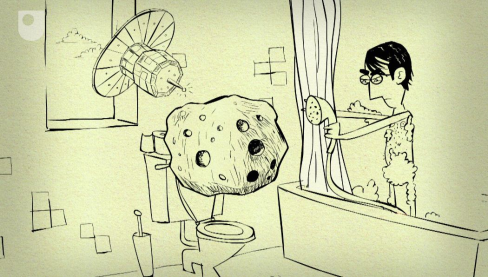
60 Second Adventures in Astronomy: Gaia and the Killer Asteroids
Watch now to access more details of 60 Second Adventures in Astronomy: Gaia and the Killer AsteroidsHow does Gaia detect any dangerous Earth-crossing asteroids?
Level: 1 Introductory
Rate and Review
Rate this video
Review this video
Log into OpenLearn to leave reviews and join in the conversation.
Video reviews
My question is how could there have been noise in a void?