General
Course dates:
First Published 30/01/2026.
Updated 02/02/2026
Material content
-
-
Transcript
Taking a look at this free course on the contemporary issues in managing, we see in the introduction, that managing has a history in Taylorism. Which is an early 20th century scientific management approach where foreman and supervisors were employed to watch staff at all times. This was about managers understanding better what the job was to be done and how it was to be done, and therefore they had to supervise staff.
In contemporary times, both “coercion and direct supervision”, so scientific management described by Taylor, was “coercive and directly supervised”. And this course is saying that they're both still used, but less often because other methods are available and they're more seductive. They're more attractive because they entice workers to overwork, we could say they motivate, by “insinuating” that the organisation is like belonging to a family. And therefore, when you're part of a family, commitment is high and workers “love their jobs”.
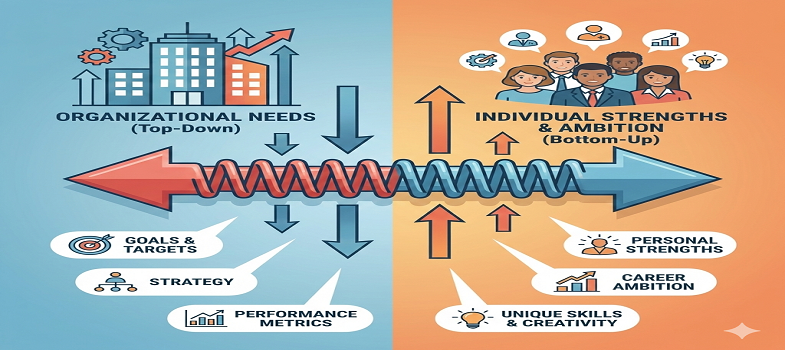
So we've got a tension between the organisational need for people to do a good job, do their work, to work diligently, do everything that's required of them, and people who want to do what they personally want to do, maybe their strengths and personal goals are different. Maybe their ways of working are different to what the organisation would think is best. And here the solution has been, why don't we make this all part of a family? Because in a family, everybody belongs, and they go along and they do the rough with the smooth because on the whole, they love their job, they love being part of a family. So there we see the two sides, the two forces. The organisation needs certain goals, but the individuals have certain predilections and certain goals. And in this case, the solution is let's make being part of the firm like being part of a family.