

What is rewilding and why is it important?
2 Historical context
2.1 Shifting baseline syndrome: causes and consequences
Our experiences and memories inform how we interpret what we see. These experiences and memories are constrained by our age.
The earliest memories a 70-year-old person will have of the wild nature around them will almost certainly differ from the memories that a 10-year-old person will have of the same place. Ongoing biodiversity decline means that the older person will probably remember nature that is wilder and more diverse than the younger person.
The larger the age gap between two people, the greater the difference in how they remember nature becomes.
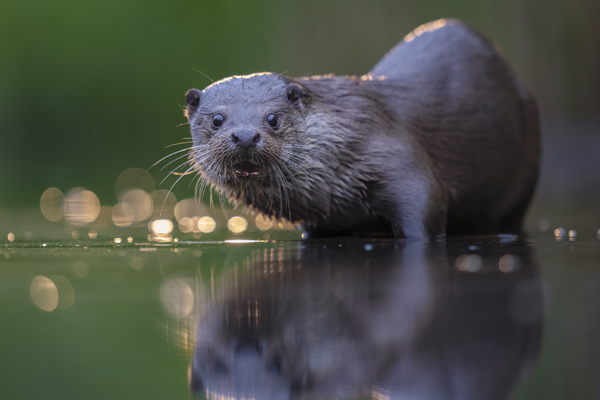
Eurasian otter, Lutra lutra, Pusztaszer reserve, Hungary. Credit: Staffan Widstrand / Wild Wonders.
This age-related difference in how humans remember and perceive the nature around them gives rise to a concept known as ‘shifting baseline syndrome’. A lack of awareness about how landscapes and their wildlife populations looked in the past means their condition today is accepted by most people as completely natural.
For example, when sightings of deer or hedgehogs become rare in a particular area over a long period of time, this rarity eventually becomes seen as normal, because most people don't remember a time when these species were more abundant.
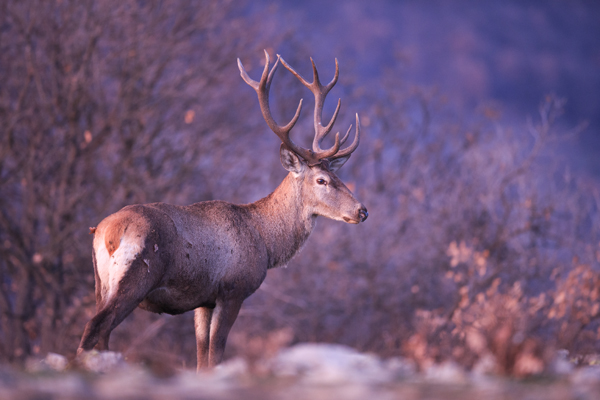
Red deer in the Rhodope Mountains, Bulgaria. Credit: Bogdan Boev / Bogdan Boev Wildlife Photography.
Shifting baseline syndrome has implications for nature conservation. It can lead to increased tolerance of environmental degradation and lower our expectations regarding the health and diversity of ecosystems.
This, in turn, can lessen our willingness and desire to restore nature. It can influence policymakers and, to a lesser extent, those engaged in measures designed to enhance wild nature.

