

What is rewilding and why is it important?
5 Climate change context
5.3 Adapting to climate change through rewilding
Rewilding can also help nature and people adapt to climate change. This is very important, as further changes to our climate are inevitable, even if the measures we take now eventually bring global warming to a halt.
Rewilding aims to restore landscapes at scale. As such, it can provide space for animals to move and adapt to changing climatic conditions, whether that be from south to north, to higher elevations, or across climate zones.
Rewilding can also boost the resilience of nature to climate change. For example, strengthening wild herbivore populations through translocations can reduce the susceptibility of herds to climate-related stresses such as drought or flooding. Healthy, biodiverse forests are also more resilient to more extreme climatic conditions as the system can respond and adapt in ways that a monoculture plantation could not.
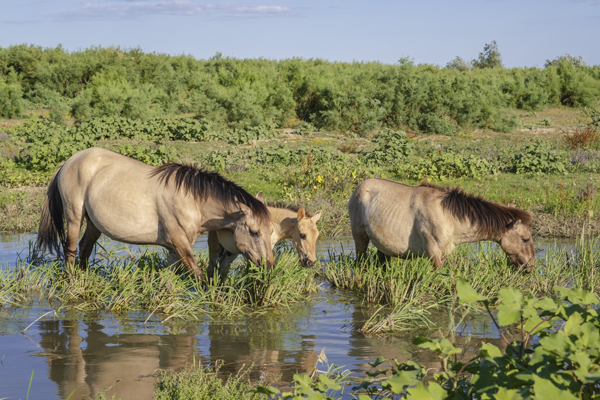
Wild Konik horses, Ermakov Island, Danube Delta, Vulkove, Odessa Oblast, Ukraine. Credit: Andrey Nekrasov / Rewilding Ukraine.
Enhancing climate change adaptation through rewilding can also benefit people. For example, measures to support beaver populations, resulting in more beaver dams, can help to regulate the movement of water through catchment areas. This can decrease the severity of floods and droughts that threaten people's lives and livelihoods. Reconnecting rivers with their floodplains, enabling natural flooding, can provide similar benefits.
Giving space to nature can also promote biodiversity, which has the potential to help people adapt to climate-related challenges in ways that are not yet known. The drought-tolerant crops and medicines for the future will be found in wild nature – not among the species that are already domesticated and selectively bred for specific traits.
Climate change is impacting a wide range of economic activities in Europe and across the world. Farms may become less productive. Ski slopes may close. More extreme temperatures may result in less tourism during summer months. The development of sustainable nature-based economies through rewilding can generate new economic opportunities in places where old ones are no longer viable. We explore this more in Module 4.
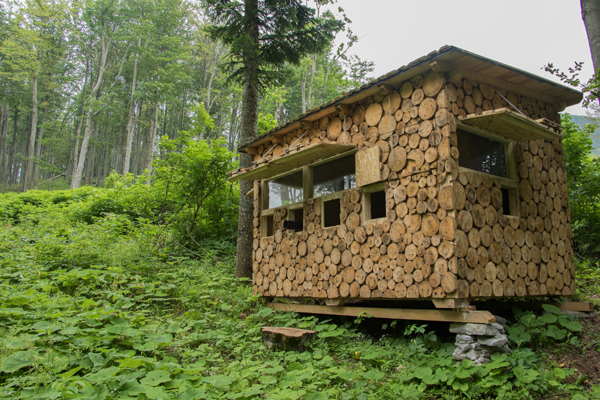
Wildlife watching hides in the Velebit Mountains, Croatia, offer a chance to see some of Europe’s most iconic species. Credit: Nino Salkić / Rewilding Velebit.

