

The economic opportunity of rewilding
2 Nature tourism
2.3 Tourism case study: creating a large wildlife corridor in the Velebit mountains
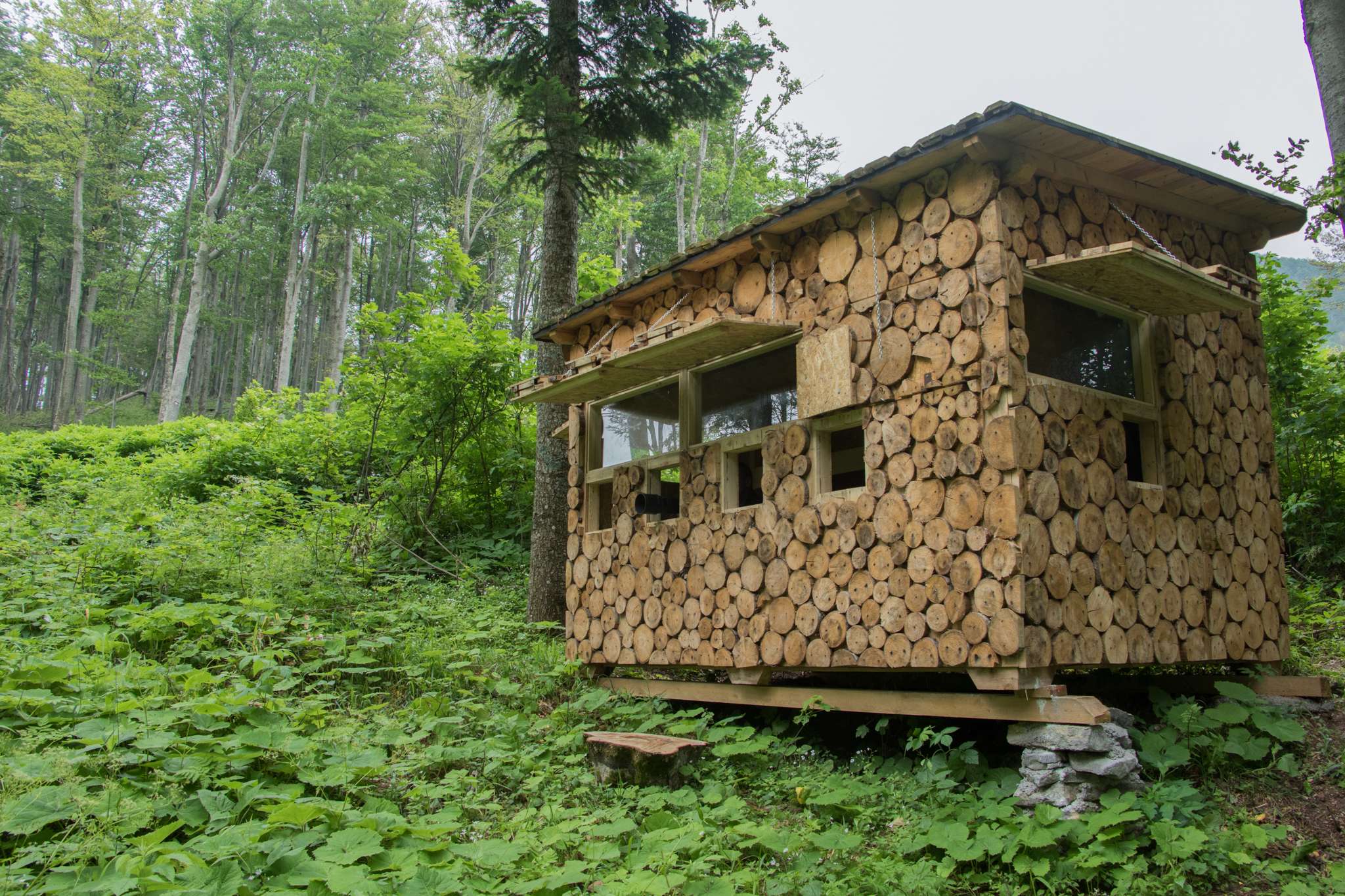
Wildlife watching hides in the Velebit mountains, Croatia, offer a chance to see some of Europe’s most iconic species. Credit: Nino Salkić / Rewilding Velebit.
In the Velebit mountains of Croatia, Rewilding Velebit is focused on creating a large wildlife corridor and restore wildlife populations in this part of the western Balkans. It aims to achieve this by transforming the wildlife management through the lease of five hunting concessions totalling nearly 30,000 hectares.
Situated in the heart of the Velebit Nature Park, Croatia’s largest protected area, the hunting concessions are between two national parks – the Northern Velebit and Paklenica National Parks. Together, this forms a nearly contiguous landscape where wildlife and its population dynamics can recover in an area of over 70,000 hectares.
|

The aim in the Velebit mountains is to transition away from traditional hunting in these concessions to wildlife watching. This includes the creation of large breeding zones, population reinforcements (like releases of red deer, chamois, and Eurasian lynx), creating moratorium on hunting of such species, and promoting human–wildlife coexistence. Brown bear, grey wolf, and Eurasian lynx live here, and more and more people are visiting to see these species. In this way, wildlife photography and related tourism is bringing new and scalable business opportunities to local communities.

Tourism based on a number of new, fully operational wildlife watching and photography hides started in spring 2023. In the first 6 months the new wildlife hides hosted 15 groups of guests totalling around 50 people. This generated a first income of around 7000 euros, which could be higher in future with stronger marketing and promotion. Half of the revenues will be reinvested in nature, while more than 2000 euros has gone to local providers of food, accommodation, and transport.
This success has generated local interest, and it has created new jobs too. Guides from the local area have been trained and they are now taking visitors on hiking tours and photo safaris. Rewilding Velebit also pays local people to clean and maintain the hides.
Ensuring these benefits reach local people is essential so that people are willing to live alongside wilder nature. You will learn more about this in Module 5.
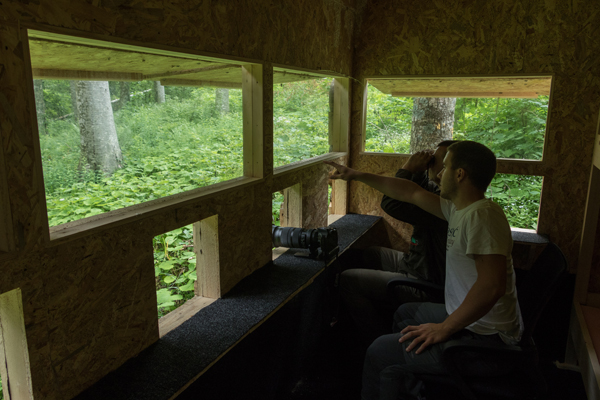
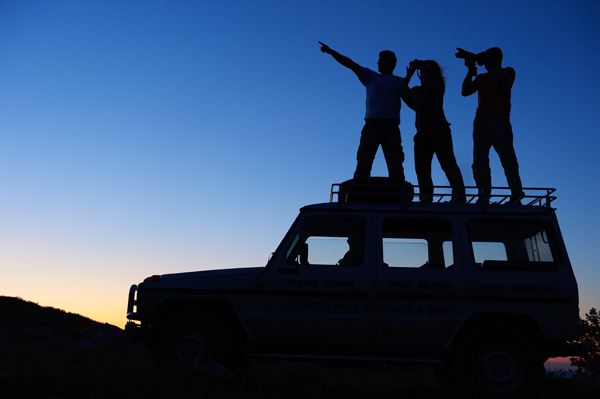
Communities in the Velebit mountains are already benefiting from growing numbers of tourists and the creation of jobs.Credit: Nino Salkić / Rewilding Velebit (left); Staffan Widstrand / Rewilding Europe (right).


