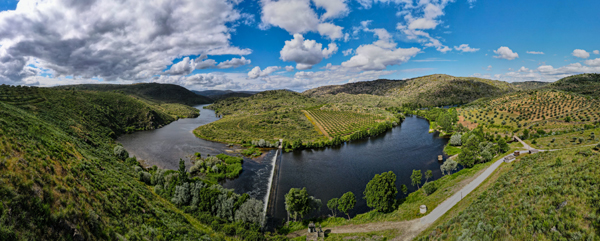
Introduce some grazing and browsing animals, and claim an agricultural subsidy.
Work with the farmer to introduce wildlife-friendly features and practices, and help them market and sell their local produce as nature-friendly, for a premium price.
Build a shower block and invest in solar panels and battery to make a campsite so that visitors can stay longer, charging a fee for their stay.
Work with a local tour operator to bring tourists from the nearby town, and with a local chef or restaurant to offer meals made from fresh local produce to the visitors.
Leave the trees in the unused area to grow and claim carbon credits for the trees.
From your answers, you will notice that some potential income-generating activities need investment to get up and running. As you learned at the start, upfront investments can be needed to change how land and nature are used and experienced in the long term.
You will learn more about funding that can enable these changes in Module 8.