Terrestrial rewilding
9 Module summary
In this module, you have learned about the changing land use patterns in Europe and that rewilding can offer a new path forward for nature and people in places experiencing land abandonment.
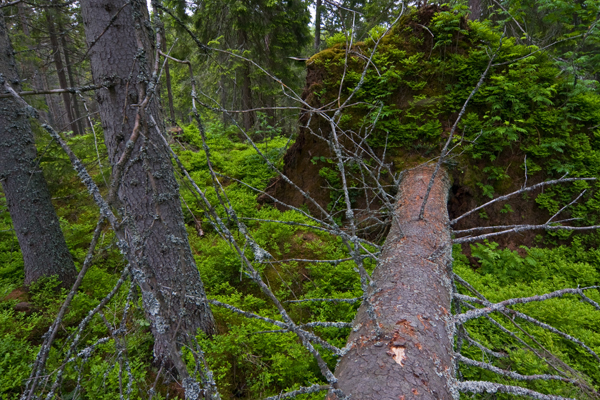
You have learned that few forests in Europe are truly natural, but that there are ways to move them to a more natural state, through artificially aging trees, leading deadwood in forests, and bringing back wild animals that interact with vegetation in many different ways.
You have also learned about grasslands, and how natural grazing is essential to keep some areas open. Grazers create a mosaic habitat, where grasses, scrub and woody plants all exist, interact and are needed when we are thinking at the scale of ecosystems and landscapes.
Wilder terrestrial habitats offer benefits to people, from capturing carbon, to offering new wildlife watching tourism opportunities. Yet they can come with challenges, as the land is where most human activities also take place.
For this reason, promoting coexistence is essential, and you have learned about a community-led approach that can bring stakeholders together and find new ways for people to thrive alongside wilder nature.

Now that you have completed this module, you should be able to:
- Determine what rewilding principles are most relevant and suitable to rewilding terrestrial landscapes.
- Explain the ecological, social, climatic, and economic importance of forests and grasslands ecosystems.
- Assess the impacts of key threats to terrestrial ecosystems, and how they disrupt natural processes.
- Compare the differences and similarities between rewilding in grasslands and in wooded areas, and their connections to each other and the wider landscape.
- Evaluate the role of keystone species and natural processes in maintaining healthy terrestrial ecosystems.
- Analyse case studies of rewilding forests and grasslands in Europe.
- Articulate the challenges and opportunities associated with wildlife comeback and select appropriate locally led positive coexistence measures.
|