Lesson 5.5: Joy as Resistance
View
This topic focuses on joy as the emotional and cultural energy that fuels collective agency. Care protects; joy amplifies. Together they create the conditions for endurance and imagination.
3. Joy in public space
 Across Europe, collective joy manifests as a visible challenge to ‘anti-gender’ narratives:
- In Poland and Spain, street protests such as the Women’s Strike and 8M marches use music, humour, dance, and creative slogans to transform anger into empowerment.
- In Switzerland, queer activists mocked a far-right slogan (‘Stop Gender Terror’) by organising a satirical ‘Gender Terror Party’ – reclaiming language meant to intimidate them.
- In Belarus, where public protest is banned, joy takes quieter but no less political forms: a shared song online, a rainbow sticker, humour in encrypted chats – each gesture a spark of solidarity under repression.
Joy sustains courage. It counters the demoralising effects of surveillance and fear. It creates ‘breathing spaces’ where people can recover the energy to resist.
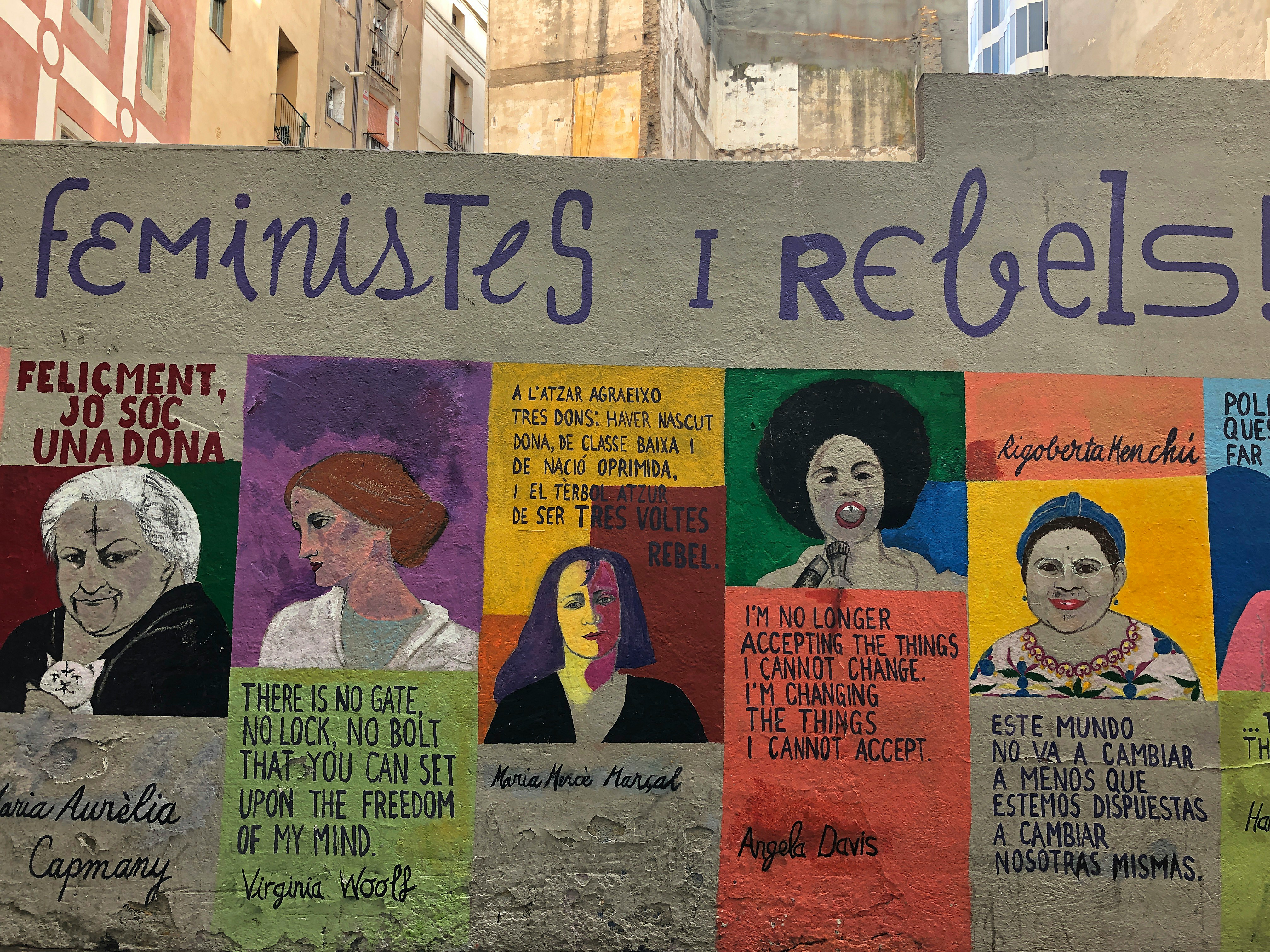
Photo by Red Dot on Unsplash
 In 2020, amidst Covid-19 restrictions, Poland experienced two significant waves of protests: summer LGBTIQ+ protests sparked by the arrest of LGBTQ+ activist Margot from the anarcho-queer collective Stob Bzdurom, reflecting wider discontent with the homophobic and transphobic political climate. In the fall, pro-abortion protests erupted following a Constitutional Tribunal ruling that banned abortion in cases of fetal abnormalities.