First Steps.
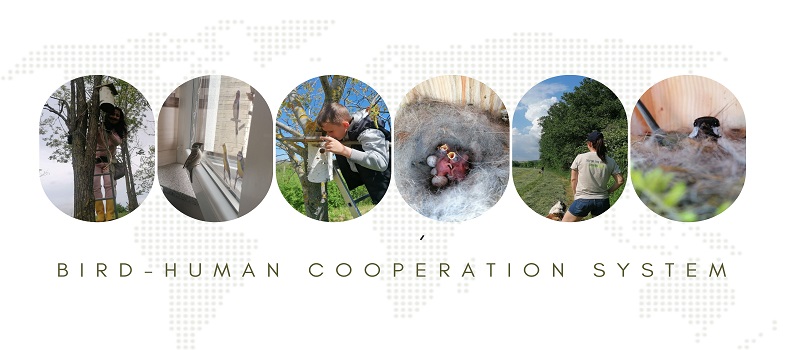
Building a bird/human cooperative system.
Building a bird/human cooperative system requires cooperation from everybody working together to acheive the optimum results. There are many facets to addressing this problem and the biggest of them all is global warming and this needs to be the responsability of all countries in the world.
The second problem is intensive farming, as opposed to global warming which requires a global response, intensive farming requires a national response with all relevant parties working together to tackle the problem as a collective.
In the UK much has been done and continues to be done with bans on pesticides and insecticides, but there is still work to be done to control fertilizers and sewage over-flows and how farming can be executed more efficiently.
Large crop fields effectively produce a barren landscape with little to attract insects and without insects there are no birds. Many farmers are now being given incentives to leave wider field margins and reinstate hedgerows as well as provide wild flower meadows but still more needs to be done to create a practical ballance.
Rewilding and flora diverity is crucial to providing a variety of food and habitat for insects and birds and there are many projects underway in the UK that are investing in these areas.
Diversity of plants and trees in hedgerows creates a much richer habitat for insects and this in turn attracts birds and animals but they also need flora corridors connecting copses and woodlands to encourage expansion and species growth.
Many farmers are already engaging in these methods and are finding that they can be beneficial to them as well. Some parts of the country fair better than others depending on the soil quality and it seems that there are still issues and barriers to be overcome. There needs to more legislation and control from the Government and more encouragement and incentives for farmers to insure that all parties get involved and cooperate to achieve a satisfactory conclusion.