4.5 The impact of misgendering
‘It was almost like she’d be describing what she’d say to someone about me, and it was usually in the middle of something she’s trying to say positive but then she’d call me he… And she was very apologetic and then it’d happen again. Then this last time, she was saying something about, “I’m still stuck in old ways of thinking” and I don’t know what that’s supposed to mean. I came very close to finishing it early, I felt this welling up in me and I said I found that really painful. After we ended, I thought I can’t put myself through this anymore.’
This quote comes from an ICTA participant talking about her experience of being persistently misgendered while accessing psychological therapy through a third-sector voluntary organisation. In this account, misgendering led to significant emotional distress and to termination of therapy. Given the context – a professional relationship that was supposed to support this person’s mental health – the therapist’s misgendering seems particularly damaging.
It is therefore vital that you get into the habit of checking what the correct pronouns are for all the people you work with and introducing your own pronouns. It is also essential to practise getting these right, both when you talk to the client and when you talk about the client, for example, in your notes or supervision.
To further consider the potential impact of misgendering in the context of therapy, try the next activity.
 Activity 4.5: The impact of misgendering
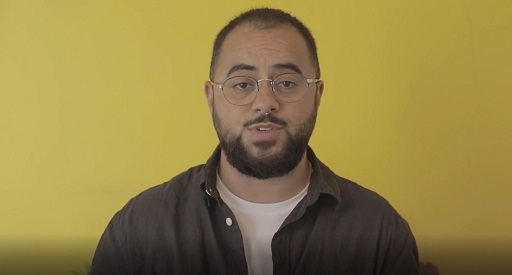
Watch the video of therapist Ellis Johnson talking about the impact of misgendering. While you’re watching it, reflect on what comes up for you.
Transcript
Often therapists inexperienced in working with trans people express a fear of getting it wrong as something that inhibits them. How can we resolve the tension between holding awareness that misgendering has a strong negative impact on clients with knowing too much hesitancy might disrupt the therapeutic relationship?
Discussion
ICTA participants stressed the impact on them of being misgendered, and existing literature cites the mental health burden of this repeated undermining of a trans person’s self-experience (Gunn et al., 2025; McNamarah, 2020; McLemore, 2018). When we misgender colleagues, students, clients or supervisees, it is important to reflect on this. Misgendering gives us important information about how parts of us see trans people, perhaps unconsciously. We have momentarily departed from that person’s frame of reference and from an affirmative, non-judgmental stance. If we get defensive when challenged around this, it robs us of the opportunity to work through what might be going on for us.
There is no substitute for doing ongoing work on trans acceptance and cultural competence to mitigate this harm, but it’s important to realise even experienced trans therapists make occasional mistakes, because we were all taught to look at the world in cissexist ways. What we do after making a mistake, quickly apologising and attending to the client’s feelings rather than getting caught up in our own shame response, is what counts.
4.4 Cissexism and transnormativity