
3.4 The importance of positive relationships from a care-experienced lens
Everyone has positive and negative interactions and relationship experiences, but we know that positive relationships are crucial to well-being because they boost emotional and physical health.
Using the trauma-informed principles in everyday life can help to build trust, respect and supportive relationships, empowering individuals to grow and thrive long term.
This concept is explored further below where East Lothian Champions Board talk about the importance of positive relationships and delegates at the Children in Scotland conference discuss what relationship-based practice means to them.
East Lothian Champions Board

East Lothian Champions (Champs) Board is a group for young people aged 12+ making change to local policy and creating a sense belonging for young people who have experience of care (East Lothian Council, 2024).
The Champions Board shared their thoughts about how positive relationships made them feel. The key points were that they felt cared for, understood, heard, safe, loved, wanted, important, happy and confident.
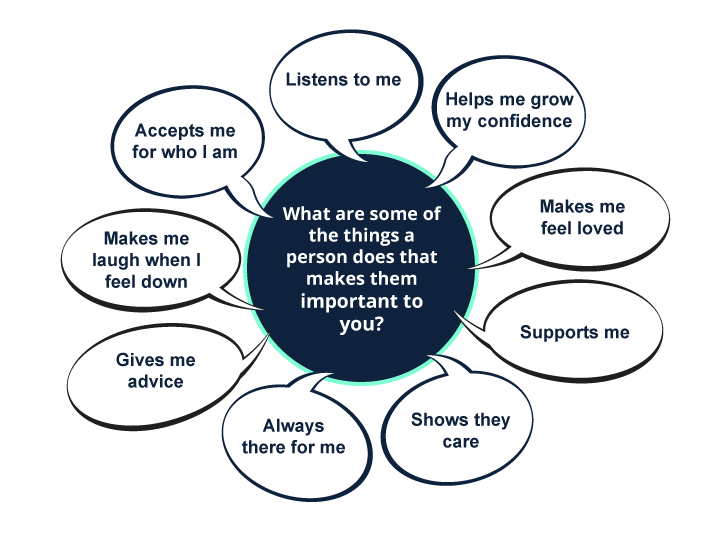
This is what the Champs Board said.
Click on the play button below to listen to and read the three quotes.
Champions Boards were funded from 2016 to 2019 by the Life Changes Trust care-experience programme and their legacy work is available to see on Staf’s Life Changes Trust Resource Hub.
To find out more, explore Resources for professionals, shaped by young people with care experience [Tip: hold Ctrl and click a link to open it in a new tab. (Hide tip)] .
Care experience and relationship-based approach
At a development workshop, at the Children in Scotland conference May 2024, people who work with the care-experienced community explored, ‘what comes to mind when you think about relationship-based practice?’ Here’s what they said:

Feedback from both the workshop and the East Lothian Champions Board, highlighted that positive relationships can improve well-being. It also emphasises the importance of the trauma-informed principles – safety, trust, choice, collaboration and empowerment in relationships.
This would be a good opportunity to consider the principles and how they can be used to better strengthen relationships and approaches.
All children and young people will have different relationships throughout their lives. Children and young people with experience of care may have the following types of relationships that make up their scaffolding of support. (Scaffolding is a tested metaphor that helps people understand all the different components of support that exist within the ‘care system’.)
3.3 Relationships