
1 Time, gender and meetings
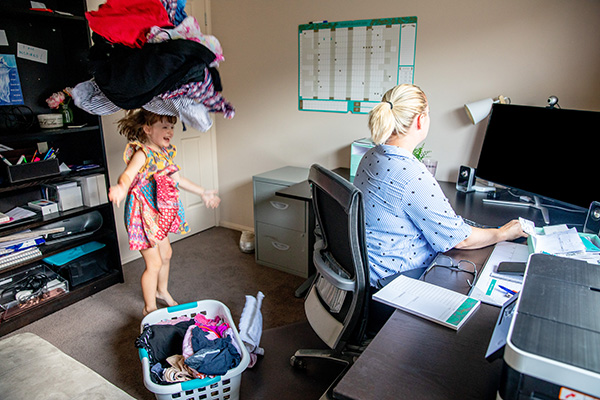
Time is a fundamental resource for organising daily life and ensuring people’s wellbeing, but research shows its distribution is not equal for everyone across society – women tend to take on the majority of unpaid work, such as domestic tasks and caregiving, which limits their availability and affects their participation in paid employment and other areas of life (Craig, 2007; Dugan and Barnes-Farrell, 2018). In addition, women also face a significant burden related to ‘emotional labour’, both at home and in the workplace. This adds an extra layer of pressure that is difficult to quantify, yet essential to the functioning of social and organisational life (Guy and Newman, 2004; Barigozzi et al., 2025).
These inequalities are not accidental; they are rooted in the way our society has historically divided roles between men and women, a pattern known as the ‘sexual division of labour’ (Federici, 2018; Lemus, 2023). Other social factors, such as age, social class or ethnic background also influence how time and labour are distributed across different groups (Atagua‑Díaz, 2024).
The COVID-19 pandemic exposed and deepened these inequalities, particularly with the rise of remote working and the overlap of professional and domestic responsibilities within the home. This so-called ‘double burden’ falls mainly on women, making it harder for them to manage their time and maintain their overall wellbeing (Reichelt, Makovi, and Sargsyan, 2021; Silva-Costa, et al., 2023).
This is why it is crucial to design ways of working and communicating that recognise these inequalities in order to promote fairer and more inclusive workplace environments. For example, deciding whether a meeting is truly necessary or if an email would suffice, while taking into account everyone’s availability and responsibilities, can help distribute time more fairly and reduce overload, especially for those with greater caregiving duties.
This approach is not only about improving organisational efficiency, it also acknowledges and addresses the diverse realities and needs within work teams, and ultimately supports a more equitable balance between work life and personal life.
Now watch Video 1, which summarises time management and gender inequality.
Transcript: Video 1 Time management and inequality
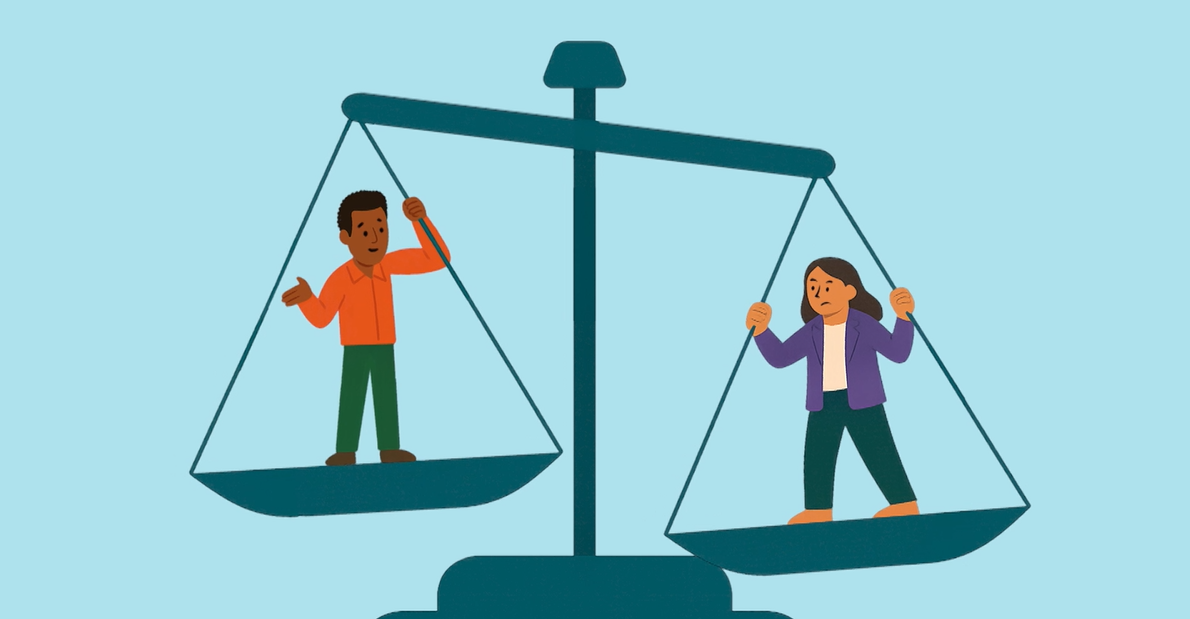
Time is a resource that doesn’t affect everyone equally. Women, in many cases, have to face a double shift: work and domestic responsibilities. This means that every minute lost in unnecessary or poorly managed meetings has a greater impact on them. While some may afford to spend more time in endless meetings, others have to rush to pick up the kids, do the shopping or prepare dinner. Therefore, managing time well is not only a matter of efficiency but also of equality.
Meetings are not gender-neutral. Studies show that women are interrupted more frequently, have less speaking time and are often listened to less. This not only limits their contribution but also makes the time they spend in meetings less efficient. If we want more productive and fair meetings, we must ensure that all voices are heard and that time is distributed equitably. Unnecessary or poorly planned meetings not only steal work time, but also widen gender inequalities. Moreover, the pandemic intensified the workload at home, especially for women, who had to juggle remote work with childcare and domestic tasks. For many women, every extra minute at work means less time for domestic chores or family care. This does not happen in the same way for men, who, in many cases, have more flexibility to dedicate extra time to work. Reducing the amount of time in meetings not only improves efficiency but also contributes to a fairer distribution of time between men and women.
Although progress has been made in gender equality, many domestic tasks still fall on women. Cleaning, caregiving for dependents, laundry and cooking are tasks that are often assumed to be the responsibility of women. Reducing the load of unnecessary meetings can contribute to a better distribution of time for everyone, but especially for women. Balancing the workload at home and at work is a shared responsibility. By optimising work time and reducing unnecessary meetings, we create more space to share responsibilities and enjoy a more balanced life. An effective meeting has a clear goal, engaged participants and well-managed time. We must ensure that every minute of the meeting counts and that everyone feels heard and valued. Meetings should serve to improve our work, not waste time that could be dedicated to other things. Furthermore, good planning and a well-defined agenda can make meetings more useful, efficient, and productive, freeing up time for more important tasks and for ourselves.
Let’s manage our time better: at work, at home and in meetings. Well-utilised time will allow us to be more productive, more present and improve our quality of life. Time is a limited and valuable resource that, when managed efficiently, can significantly improve quality of life, especially for women, who often face the double burden of professional work and domestic responsibilities. Reducing unnecessary meetings, optimising their duration, and ensuring they are productive not only increases work efficiency but also frees up time for family and personal life. Moreover, it’s essential to recognise that the equitable redistribution of domestic tasks is a shared responsibility that benefits everyone. More conscious time management and more equitable participation in meetings and at home are key steps toward achieving a more balanced and fair life.
Ultimately, managing time well is not just about productivity, but also about equality and shared wellbeing.
Introduction