3 The right to time and gender equality
Time is considered a fundamental right that influences the wellbeing of individuals and communities. Various organisations, both public and private, have regulated time to improve quality of life. Although the right to time has gained visibility, its distribution remains unequal, especially for women, who bear a disproportionate burden of unpaid work (ILO, 2018). The United Nations Economic Commission for Europe (UNECE) highlights this ‘time poverty’, in which women perform 76.2% of the unpaid work globally (ILO, 2018). These differences are not inherent but reflect social expectations, structural inequalities and the unequal organisation of care within households and workplaces. The lack of childcare services and the traditional division of domestic responsibilities continue to deepen this inequality (UN, 2020).
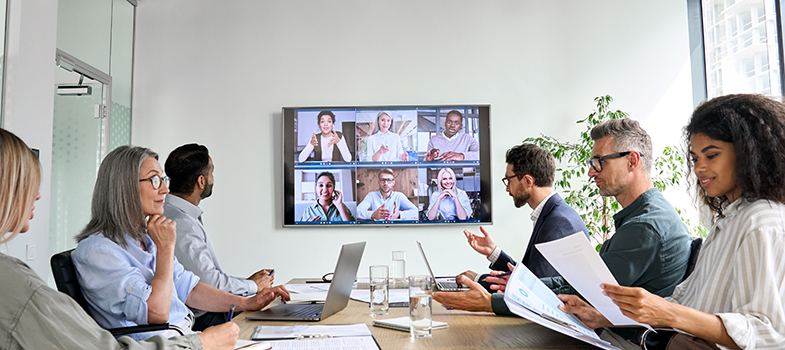
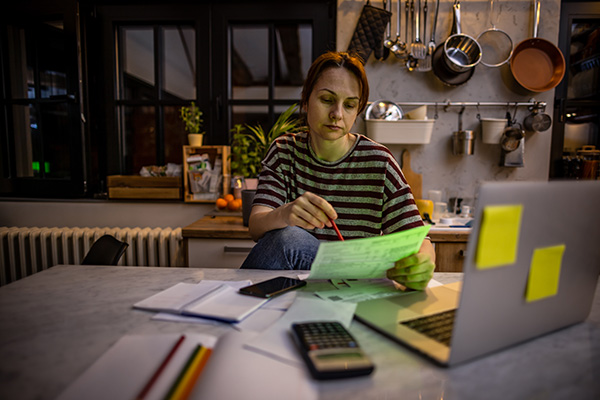
The COVID-19 pandemic exacerbated these inequalities, increasing the domestic burden, particularly for women, who must balance paid work and household tasks. The shift to videoconferencing has led to an increase in domestic responsibilities at home, resulting in stress and anxiety, especially for those whose ambition is to produce flawless work (Shen and Zamani, 2024; Agba, et al., 2022). Although some studies show that men have increased their participation in domestic work (Shafer, Scheibling and Milkie, 2020), caregiving tasks continue to be dominated by women (Yavorsky, Qian and Sargent, 2021).
In Activity 4 below, you will apply the ideas explored in this unit so far to your own context using the Social Identity Wheel to help you to reflect on how different aspects of your identity may shape your experience of time.
 Activity 4 Social identities – time and gender inequalities
It is useful to apply frameworks like the Social Identity Wheel which you’ve come across throughout this course to reflect on how inequalities might affect individuals differently. This tool helps us explore how overlapping identities – such as gender, processes of racialisation, socioeconomic class, age and accessibility – can interact to shape each person’s experience of time use, caregiving responsibilities and access to opportunities. Recognising this complexity is essential to creating truly inclusive approaches to the work–life balance.
Using the Social Identity Wheel, jot down some thoughts about how your own social identities might impact the time you have available to complete your tasks.
Time policies can be a key tool in redistributing work and caregiving responsibilities, contributing to gender equality, social wellbeing and productivity. These policies must be based on scientific evidence to ensure a fairer distribution of time and promote a proper balance between work and personal life. Research on the use of time is essential to support policies that respond to societal needs (Duarte and Quirós, 2024).
Although videoconferencing has increased flexibility, research indicates that it has also amplified domestic and caregiving burdens for women (Pacheco Salazar, Rivas Esparza and Martínez Labrín, 2022), highlighting the need to review and adapt videoconferencing policies to ensure that work and domestic responsibilities are distributed equitably. Without proper regulation, online meetings can reinforce pre-existing inequalities (Craig and Churchill, 2020). The pandemic revealed how traditional gender norms continue to influence the distribution of domestic work, but it also showed how, with a gender perspective, it is possible to change these dynamics (Carlson, Petts and Pepin, 2020).
In conclusion, the pandemic deepened gender inequalities in the distribution of domestic and paid work. Public and labour policies need to be developed as a matter of urgency that promote a more equitable distribution of work and domestic responsibilities, supporting gender equality and the wellbeing of all workers (Rodríguez, Pardo and Castañeda, 2022). Videoconferencing policies must be adapted to support a fair balance between professional and personal life, ensuring that domestic tasks do not disproportionately fall on women (Moreno Colom et al., 2021).
2.1 ‘Meeting or email’ scenarios