3.3 Acting as a role model
Whether you consciously choose to do this or not, it is likely that your own behaviours and actions at work will influence those of others. This is particularly the case if others are aware that you are involved in wellbeing work and/or you are in a senior position. The following video emphasises the importance of modelling healthy behaviours in the workplace.
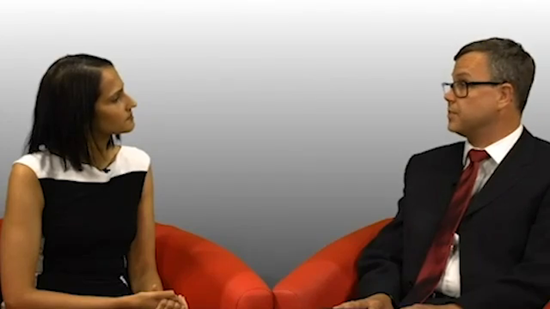
Transcript: Video 5 The advantage of being a role model
This can be challenging as, if your actions do not align with your words, you may lose credibility. For example, imagine a Wellbeing Champion who frequently tells people they should be utilising their annual leave and switching off from work. If that Champion then proceeds to join meetings from a hotel room on their holiday, this is likely to discredit their advice and signals it is impractical or impossible to follow even for them. The people around them will likely copy their actions instead.
At the same time, being a role model provides you with a valuable opportunity to demonstrate how to put healthy working practices into action. This can be as simple as acting courteously (saying ‘please’ and ‘thank you’) as well as modelling healthy working patterns, collegiate behaviour and appropriate self-care.
If you are unsure whether you are acting as a positive role model, it might be useful to have some one-to-one conversations with colleagues who you work closely with to ask for their impressions and feedback.
I still see a lot of people senior to me and occupying senior positions to me, who are working significant hours, not living a balanced healthy lifestyle and not demonstrating the kind of working balance that others aspire to.
3.2 Interpersonal relationships and empathy