
4 What does a well legal workplace look like?

To help you identify your overall goal for your theory of change, it is important to consider what a legal workplace which prioritises wellbeing is likely to look like. The following video discusses how unhealthy ways of working can become normalised, making it difficult to identify what changes are needed.
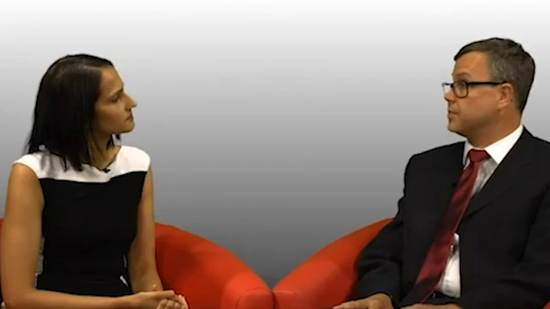
Transcript: Video 6 Unhealthy ways of working
This section identifies a range of important elements of a well legal workplace. You may also identify others that are specific to your own workplace context.
Activity 4 Setting goals
Drawing on Sections 3 and 4 and your own expertise, spend some time thinking about what your overall goal is for supporting workplace wellbeing. You should consider the following:
- What is the overall goal you want to achieve?
- How will you know when you have been successful in achieving your goal?
It may be that you have more than one goal but do be careful to ensure the number is manageable and achievable.
Some examples of overall goals could be:
- To create a healthier workplace environment with lower levels of work intensity.
- To develop a workplace culture which prioritises psychological safety.
- To change employees' focus on presenteeism in the workplace.
Make a note of your goal on your theory of change record. You should also include ideas for what your criteria for success will be. In other words, how will you know if you have achieved your goal?
This could involve quantitative evidence (for example, the number of employees attending a training session) or qualitative evidence (such as feedback from colleagues or leaders). The strongest criteria are likely to involve a combination of both of these.
Discussion
The goal you identify will depend on the remit of your role and the resources available to you.
Next, go to 5 Identifying workplace outputs and outcomes for wellbeing [Tip: hold Ctrl and click a link to open it in a new tab. (Hide tip)] .