Introduction to Women's Leadership
The Importance of Women's Leadership
In recent decades, the landscape of leadership has shifted significantly, yet women remain underrepresented in key leadership roles across various sectors. Women’s leadership is not merely a matter of equity; it is essential for fostering diverse perspectives, driving innovation, and promoting inclusive decision-making processes. As societies worldwide recognize the value of gender diversity in leadership, it is crucial to explore the barriers that persist and the strategies that can be employed to empower women leaders.

The Current Landscape
Despite notable progress, women hold only a fraction of senior leadership positions globally. According to recent statistics, women represent about 30% of senior management roles in many organizations. This underrepresentation can be attributed to various factors, including cultural norms, institutional biases, and systemic barriers that hinder women's advancement. Additionally, women often face challenges such as the "confidence gap," where they may underestimate their abilities compared to their male counterparts, and the "glass ceiling," which prevents them from accessing top positions.
Benefits of Women’s Leadership
The inclusion of women in leadership roles brings numerous benefits. Research indicates that diverse leadership teams are more innovative and effective. Women leaders often bring different perspectives, enhancing problem-solving and decision-making processes. Furthermore, companies with women in leadership positions tend to perform better financially. A McKinsey report found that organizations with more women in executive roles are 21% more likely to outperform their male counterparts in profitability. This correlation highlights the need for organizations to prioritize gender diversity as a strategic advantage.
Strategies for Empowerment
To address the gender gap in leadership, several strategies can be implemented. First, mentorship and sponsorship programs are essential for nurturing female talent. By connecting aspiring women leaders with experienced mentors, organizations can provide guidance and support that can propel their careers. Additionally, fostering a culture of inclusivity within organizations is vital. This involves implementing policies that promote work-life balance, such as flexible work arrangements and parental leave, which can help retain talented women in the workforce.
Moreover, organizations must actively work to dismantle biases in recruitment and promotion processes. Training programs aimed at addressing unconscious bias can help create a more equitable workplace. By recognizing and mitigating biases, organizations can ensure that women have equal opportunities to advance.
The Role of Education and Advocacy
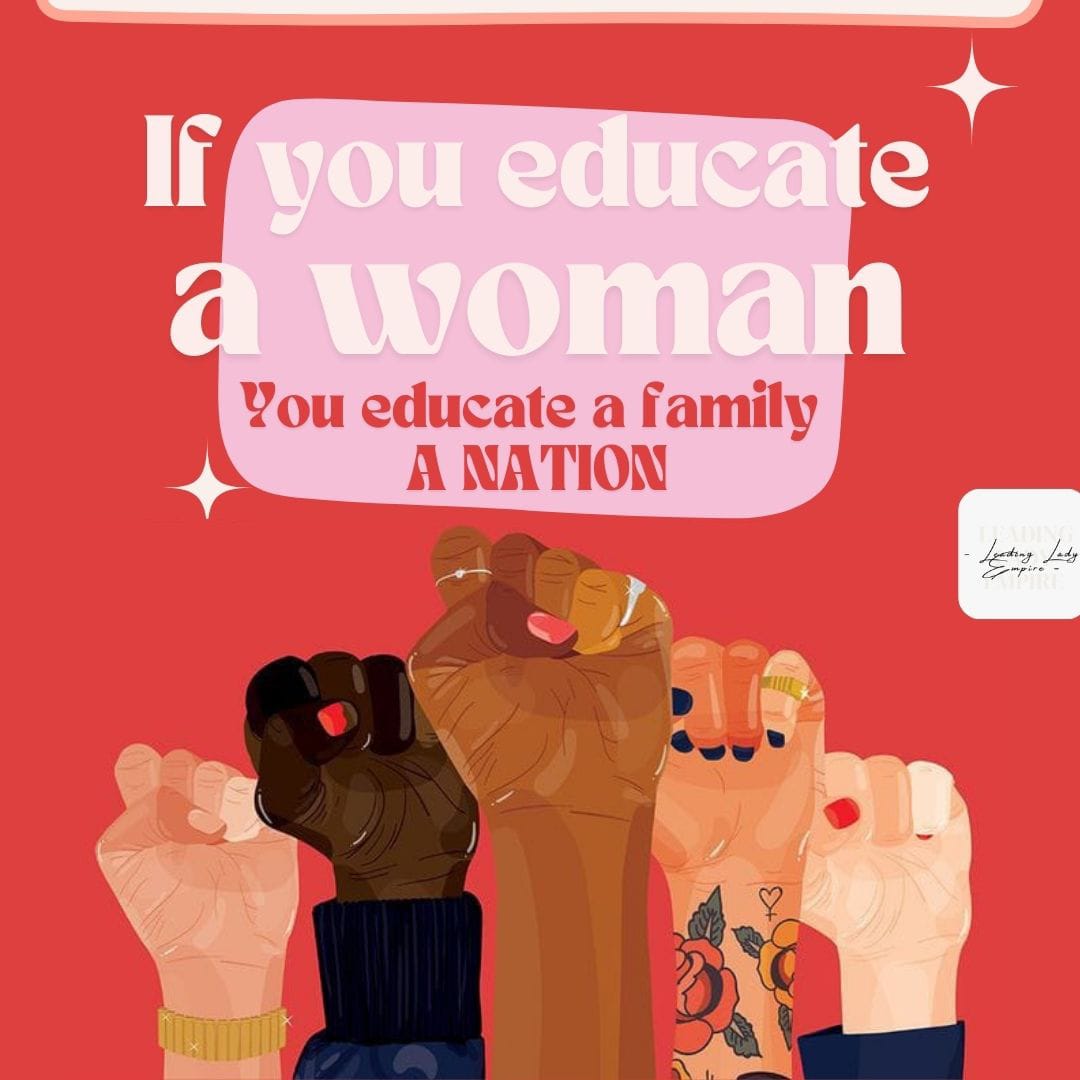
Education plays a crucial role in empowering future generations of women leaders. Encouraging young girls to pursue STEM fields, business, and politics can help cultivate a pipeline of talented women ready to take on leadership roles. Additionally, advocacy for women's rights and gender equity at all levels—local, national, and global—is essential for creating a supportive environment for women leaders.
Organizations such as Lean In and Women in Leadership offer resources and community support that can help women navigate their careers. Advocacy initiatives focused on policy changes, such as equal pay legislation and improved parental leave policies, are also critical for creating a fairer landscape for women in leadership.