

This content is associated with The Open University's Health and Wellbeing qualifications
Evidence suggests that being in nature for more than 120 - 150 minutes a week is related to the best possible physical as well as mental health and wellbeing.For many people caregiving can be a beneficial and rewarding role. However, there are many aspects of caring for someone with additional physical or psychological needs that can be stressful, and it is well established that carers sometimes do not prioritise their own physical and emotional needs. One of the key ways of maintaining wellbeing is having the opportunity to leave the house and spend time outdoors, ideally while doing a little exercise as well. A lot is known about the benefits of exercising on our mood, mental and physical health and wellbeing. However, there has been less research on how healing it is to spend time outdoors using green and blue spaces.
Research shows that people experiencing stress can use green and blue spaces to improve wellbeing through walking and exercise to improve mood, reduce stress and improve purpose and meaning and that interaction with nature can deliver benefits for people experiencing depression and/or sudden mood changes. Evidence suggests that being in nature for more than 120 - 150 minutes a week is related to the best possible physical as well as mental health and wellbeing.
Nature refers to many aspects of the physical landscape, including plants, animals, the landscape itself. It can refer to nature in urban settings (e.g. parks, gardens, allotments); farmland; natural forests (management of authentic vegetation); wild nature (spontaneous and with minimal management e.g. rivers, marshes). Studies explain how we can think of three levels of engagement with nature: viewing nature (through window, book, television); being in the presence of nature (e.g. cycling through a park); active participation in nature (e.g. gardening, farming, trekking). Nature includes green spaces (vegetation) and ‘blue spaces’ referring to the visible surface waters of lakes, rivers and coastal water.
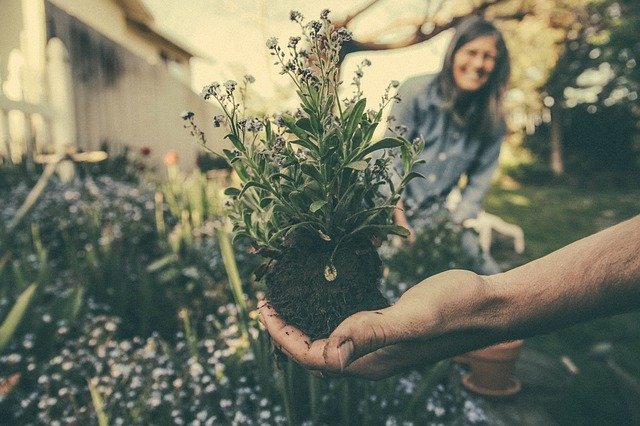
Completing these activities outdoors may lead to much broader benefits than simply reducing symptoms of distress as they help people feel more empowered, content and connected with greater physical, mental and social wellbeing.Simply being in the presence of nature can be beneficial, as natural settings have been found to regulate physiological functioning by decreasing stress responses such as heart rate and blood pressure. There is also the potential to deliver effective interventions in outdoor settings. This may include using outdoor settings for activities involving nature, exercise, social contact, use of skills that facilitate wellbeing e.g. mindfulness. Completing these activities outdoors may lead to much broader benefits than simply reducing symptoms of distress as they help people feel more empowered, content and connected with greater physical, mental and social wellbeing. This can be especially valuable for carers.
The COVID-19 pandemic has led to an increased focus on the value of outdoor spaces, both for safety reasons and for peoples’ general wellbeing. The British Psychological Society has published guidance on providing therapy outdoors which explains how in addition to meeting social distancing criteria, outdoor talking therapy combines the benefits of conventional outcomes of indoor talking therapy and the benefits of being in nature. These include having an authentic person to person experience, promoting access to support for people who would find attending a therapy room uncomfortable (often due to this feeling too formal or anxiety provoking; or where people struggle with sustaining attention); helping people to feel they share the therapy space and relationship; freedom from everyday routines and environments that may be associated with difficulties; and the holistic benefit to their physical as well as psychological wellbeing.
Whilst considerations are needed for outdoor therapy including maintaining confidentiality, physical and psychological safety and boundaries in the therapeutic relationship, this is an exciting area for further development.
More FREE insights on mental health
-
5 reasons why exercising outdoors is great for people who have dementia
Read now to access more details of 5 reasons why exercising outdoors is great for people who have dementiaSeverity of dementia is linked to getting older. In this article Dr Jitka Vseteckova tells us of the five ways exercise can benefit people with dementia...

-
Depression, mood and exercise
Read now to access more details of Depression, mood and exerciseLooking for a few tips on increasing your mood? Dr Jitka Vseteckova explores the relationship between depression and exercise.

-
Green care: contact with nature can improve mental health
Read now to access more details of Green care: contact with nature can improve mental healthCan being outside gardening improve our wellbeing? Discover three factors that account for the positive effects of 'green care'.

Rate and Review
Rate this article
Review this article
Log into OpenLearn to leave reviews and join in the conversation.
Article reviews
Blue spaces are visible water bodies like rivers, lakes, coasts and canals.
Both are parts of natural outdoor environments that people can access for recreation, exercise, and relaxation.
2. Key Health and Well-Being Benefits
A. Mental Health Benefits
Spending time in green and blue spaces can reduce stress, improve mood, and support emotional wellbeing. Nature helps regulate physiological responses like heart rate and blood pressure, contributing to better psychological health.
Being outdoors has been linked to improvements in feelings of purpose, empowerment, connection and reduced symptoms in people with depression or stress.
B. Physical Health Benefits
Research indicates that regular exposure to nature—aiming for 120–150 minutes per week—is associated with better physical health including improved cardiovascular function, exercise levels, and overall well-being.
Broader studies (systematic reviews) show that green space exposure correlates with lower risk of diseases such as type II diabetes and cardiovascular mortality, and better self-reported health outcomes.
C. Stress Reduction and Recovery
Natural environments help lower biomarkers of stress such as salivary cortisol and heart rate, contributing to relaxation and recovery from daily pressures.
Even passively being in nature (e.g., walking through a park or sitting near water) can positively influence mood and calmness without structured exercise.
D. Social and Holistic Well-Being
Outdoor spaces encourage social contact, collective activities, mindfulness, and purposeful engagement (like gardening or group walks), which enhance social wellbeing and reduce feelings of isolation.
These benefits extend beyond symptom reduction to helping people feel connected, content, and more resilient in everyday life.
3. How People Engage With Nature Matters
The article outlines three levels of interaction:
Viewing nature — seeing green or blue environments.
Being present — walking or cycling through natural areas.
Active participation — gardening, organized outdoor activities, or nature-based exercise.
All levels can deliver benefits, but active engagement often has deeper impacts on overall wellbeing.
4. Therapeutic and Applied Uses
The pandemic highlighted the therapeutic potential of outdoor environments; for example, outdoor therapy sessions can combine talk-based psychological support with the benefits of being in nature, which can make therapeutic settings less formal and more accessible.
5. Evidence and Broader Research Support
Although the Open University article focuses on wellbeing and personal experiences, wider scientific reviews show:
Strong associations between green and blue space exposure and reduced disease risks, improved mood, and increased physical activity.
Blue spaces specifically also relate to better well-being and greater physical activity levels in diverse populations.
6. Practical Takeaways
Aim to spend at least 120–150 minutes per week in nature for optimal health benefits.
Even simple contact with natural settings — walking, sitting, or gentle exercise — can be restorative and health-enhancing.
Urban planning and healthcare strategies that improve access to green and blue spaces may support population-level health and reduce stress-related problems.
In summary: Outdoor green and blue spaces play a significant role in improving mental, physical, and social wellbeing. Their benefits range from reduced stress and disease risk to enhanced mood and social connection. Open University’s article highlights both scientific evidence and practical implications of using nature as a supportive environment for health and quality of life.