
My OpenLearn Profile
Personalise your OpenLearn profile, save your favourite content and get recognition for your learning
Early modern Europe: an introduction
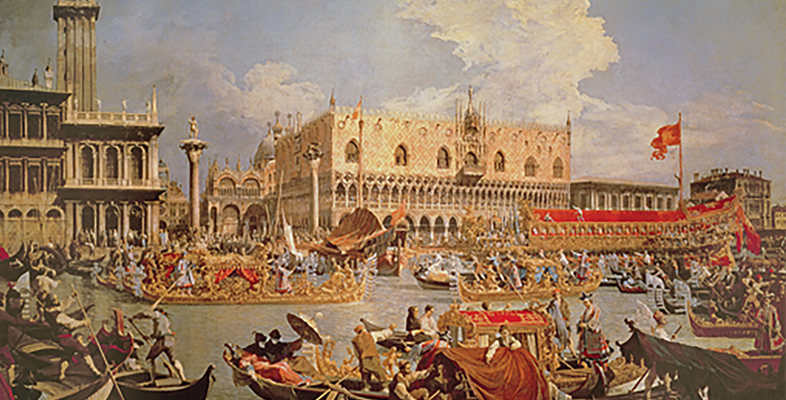
The early modern period from 1500 to 1780 is one of the most engaging periods for historical study. Beginning with the upheavals of the Reformation, and ending with the Enlightenment, this was a time of fundamental intellectual, social, religious and cultural change. At the same time, early modern Europe was rooted in and retained many of the customs of medieval times. In this free course, Early modern Europe: an introduction, you will explore some of the fundamental characteristics of this fascinating period of history.
Course learning outcomes
After studying this course, you should be able to:
- identify the fundamental features of the early modern period and understand the problems of defining the early modern period
- appreciate that there are different approaches to the study of historical periods
- understand what evidence we can obtain from historical sources used in the study of early modern Europe.
First Published: 05/05/2016
Updated: 12/03/2018
Rate and Review
Create an account to get more
Track your progress
Review and track your learning through your OpenLearn Profile.
Statement of Participation
On completion of a course you will earn a Statement of Participation.
Access all course activities
Take course quizzes and access all learning.
Review the course
When you have finished a course leave a review and tell others what you think.