
My OpenLearn Profile
Personalise your OpenLearn profile, save your favourite content and get recognition for your learning
The Roman Empire: introducing some key terms
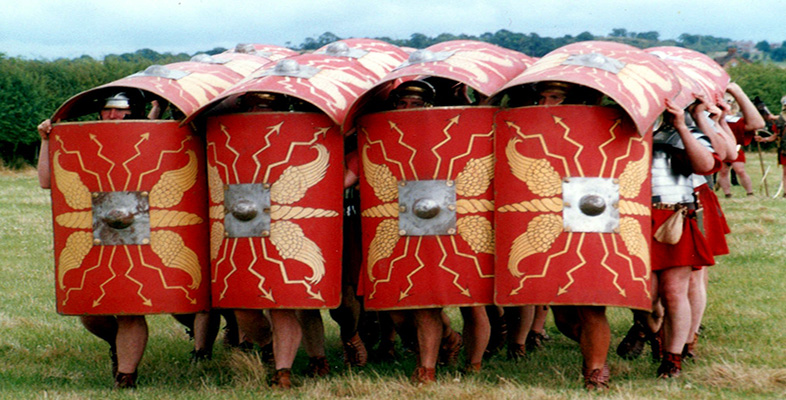
This free course, The Roman Empire: Introducing some key terms, will define basic concepts and terms that are essential for an understanding of the culture and identity of the Roman Empire. Terms such as 'Roman Empire' and 'imperium' will be introduced in the context of the formation and expansion of the empire, and the course will provide you with the background for further study of the Roman Empire.
Course learning outcomes
After studying this course, you should be able to:
- understand the terminology associated with the culture, identity and power relevant to the Roman Empire, as treated both in ancient sources and modern scholarship and presentation.
First Published: 09/08/2012
Updated: 11/04/2019
Rate and Review
Create an account to get more
Track your progress
Review and track your learning through your OpenLearn Profile.
Statement of Participation
On completion of a course you will earn a Statement of Participation.
Access all course activities
Take course quizzes and access all learning.
Review the course
When you have finished a course leave a review and tell others what you think.
𝗠𝗶𝘀𝗰𝗲𝗹𝗹𝗮𝗻𝗲𝗼𝘂𝘀 𝗽𝗼𝗶𝗻𝘁𝘀:
𝟭 𝗣𝗿𝗲𝗹𝗶𝗺𝗶𝗻𝗮𝗿𝘆 𝗲𝘅𝗲𝗿𝗰𝗶𝘀𝗲
Introducing the Roman World Transcript
Aenied -> Aeneid
𝟮 𝗗𝗲𝗳𝗶𝗻𝗶𝗻𝗴 𝘁𝗲𝗿𝗺𝘀
𝟮.𝟭 ‘𝗥𝗼𝗺𝗮𝗻 𝗘𝗺𝗽𝗶𝗿𝗲’
Regarding the map of Roman rule:
Click to view Plate 1: Map showing the growth of Roman rule. (Based on Boardman, J., Griffin, J. and Murray, O. (eds) (1996) The Roman World, Oxford, Oxford University Press, pp. 126–7; by permission of Oxford University Press) (PDF, 1 pages, 1.8MB)
…it is clear that 𝗠𝗼𝗲𝘀𝗶𝗮 𝗜𝗻𝗳𝗲𝗿𝗶𝗼𝗿 (located in modern-day Bulgaria and Romania) is absent. Moesia Inferior was unquestionably part of the Roman Empire in 117 AD/CE.
https://upload.wikimedia.org/wikipedia/commons/e/e7/RomanEmpire_117.svg
𝟮.𝟮 𝑰𝒎𝒑𝒆𝒓𝒊𝒖𝒎 𝗮𝘀 𝗽𝗼𝘄𝗲𝗿: 𝗔𝘂𝗴𝘂𝘀𝘁𝘂𝘀 𝗮𝗻𝗱 𝘁𝗵𝗲 𝗯𝗲𝗴𝗶𝗻𝗻𝗶𝗻𝗴 𝗼𝗳 𝘁𝗵𝗲 𝗲𝗺𝗽𝗶𝗿𝗲
“It was the consuls who commanded the armies”
…perhaps it would be worth indicating that this could mean the 𝘴𝘢𝘮𝘦 army, e.g., the 𝗕𝗮𝘁𝘁𝗹𝗲 𝗼𝗳 𝗖𝗮𝗻𝗻𝗮𝗲, 216 BCE. The two consuls, Lucius Aemilius Paullus (cautious) and Gaius Terentius Varro (aggressive), disagreed entirely on how to fight Hannibal. Because of the daily rotation rule, Varro took his turn as supreme commander on a day he knew Paullus could not stop him. He marched the army into an open plain just as Hannibal wanted. The result was the worst military defeat in Roman history, with up to 70,000 Roman soldiers killed in a single afternoon.
https://en.wikipedia.org/wiki/Battle_of_Cannae
“Praetors too came to share a military function as the territory controlled by Rome increased and they were appointed to administer provinces.”
…unfortunately having multiple Consuls 𝘢𝘯𝘥 Praetors in charge of the same battle did not turn out to be Rome’s best idea either!
𝗧𝗵𝗲 𝗕𝗮𝘁𝘁𝗹𝗲 𝗼𝗳 𝘁𝗵𝗲 𝗖𝗼𝗹𝗹𝗶𝗻𝗲 𝗚𝗮𝘁𝗲 (82 BC)
Sulla’s faction operated as rogue commanders with unrecognised imperium, while the Marian faction (allied with the Samnites and Lucanians) held the official, legally elected consulships and praetorships in Rome.
The Marian Faction: Gaius Marius the Younger (Consul), Gnaeus Papirius Carbo (Consul), Lucius Junius Brutus Damasippus (Praetor Urbanus), Gaius Carrinas (Praetor/Legate), Gaius Marcius Censorinus (Legate/Commander):
The Sullan Faction: Lucius Cornelius Sulla (Proconsul), Marcus Licinius Crassus (Legate).
The death toll was estimated at 50,000. There were 6,000–8,000 prisoners.
https://en.wikipedia.org/wiki/Battle_of_the_Colline_Gate
“This sums up his vision: his power (𝘱𝘰𝘵𝘦𝘴𝘵𝘢𝘴) was constitutionally no more than that of his colleagues in office, but it was his influence (𝘢𝘶𝘤𝘵𝘰𝘳𝘪𝘵𝘢𝘴), derived from this combination of magistracies, that gave him supremacy”
…in reality, Augustus was merely placating the Senate by providing an illusion of equality, by explicitly stating that his legal power was equal to his colleagues. He conveniently left out that his 𝘱𝘳𝘰𝘷𝘪𝘯𝘤𝘪𝘢 (his area of command) gave him direct control over almost all of Rome's legions. His colleagues in office had no armies; Augustus had dozens as 𝙋𝙧𝙤𝙘𝙤𝙣𝙨𝙪𝙡𝙖𝙧 𝙄𝙢𝙥𝙚𝙧𝙞𝙪𝙢. His 𝙏𝙧𝙞𝙗𝙪𝙣𝙞𝙘𝙞𝙖𝙣 𝙋𝙤𝙬𝙚𝙧 made him legally inviolable and gave him the right to veto any law in Rome. Indeed, the title 𝙋𝙧𝙞𝙣𝙘𝙚𝙥𝙨 (First Citizen) reinforced fake modesty with regard to the Senate, this was until he cast the mask aside once the usage of 𝙄𝙢𝙥𝙚𝙧𝙞𝙪𝙢 𝙍𝙤𝙢𝙖𝙣𝙪𝙢 acknowledged the blunt reality of who was actually in charge of the Roman world.
𝟮.𝟯 𝗔𝗰𝗾𝘂𝗶𝗿𝗶𝗻𝗴 𝘁𝗲𝗿𝗿𝗶𝘁𝗼𝗿𝘆
“Such territorial gains raise the key question of how far Rome had a deliberate policy of expansion. This is hotly debated among modern historians. On one hand it is argued (as many Romans might have done) that in the third and second centuries BC these gains resulted from defensive campaigns which Romans had had to undertake for themselves or for their allies. On the other hand, there is evidence to suggest that desire for wealth and power – for individuals as well as for the state – motivated a conscious policy of territorial expansion.”
Rome accepted the co-existence of both of the following perspectives since they genuinely believed they were a uniquely pious people who followed the laws of "just war" (𝘱𝘰𝘵𝘦𝘴𝘵𝘢𝘴 / legality). But they also believed their gods had chosen them to be masters of the world (𝘢𝘶𝘤𝘵𝘰𝘳𝘪𝘵𝘢𝘴 / glory). They saw no contradiction in launching a brutally aggressive, wealth-driven invasion, as long as their diplomats could find a legal loophole to frame it as defending a friend:
1. The justification the Romans themselves used was that they only fought defensive wars because their religion required them to have a "𝗷𝘂𝘀𝘁 𝗰𝗮𝘂𝘀𝗲" (𝙗𝙚𝙡𝙡𝙪𝙢 𝙞𝙪𝙨𝙩𝙪𝙢) before declaring war:
• 𝗣𝗼𝗹𝘆𝗯𝗶𝘂𝘀: As a Greek hostage-turned-admirer of Rome, he wanted to explain to the Greek world why Rome won. Pushing the idea that Rome was disciplined, legally minded, and acted justly helped justify Roman rule to a conquered Greek audience.
• 𝗟𝗶𝘃𝘆: Writing during the reign of Augustus, Livy's goal was to romanticize early Rome's moral virtues. Highlighting "just causes" fit his narrative that Rome grew great because of its piety and respect for law.
2. The Counter-Evidence 𝗧𝗵𝗲 𝗣𝗼𝘄𝗲𝗿-𝗛𝘂𝗻𝗴𝗿𝘆 𝗣𝗲𝗿𝘀𝗽𝗲𝗰𝘁𝗶𝘃𝗲:
• 𝗢𝗽𝗲𝗻 𝗥𝗼𝗺𝗮𝗻 𝗣𝗿𝗶𝗱𝗲 𝗶𝗻 𝗗𝗼𝗺𝗶𝗻𝗮𝘁𝗶𝗼𝗻:
𝗖𝗶𝗰𝗲𝗿𝗼 (𝘋𝘦 𝘙𝘦 𝘗𝘶𝘣𝘭𝘪𝘤𝘢) - "𝗼𝘂𝗿 𝗽𝗲𝗼𝗽𝗹𝗲, 𝗯𝘆 𝗱𝗲𝗳𝗲𝗻𝗱𝗶𝗻𝗴 𝘁𝗵𝗲𝗶𝗿 𝗮𝗹𝗹𝗶𝗲𝘀, 𝗵𝗮𝘃𝗲 𝗴𝗮𝗶𝗻𝗲𝗱 𝗽𝗼𝘀𝘀𝗲𝘀𝘀𝗶𝗼𝗻 𝗼𝗳 𝘁𝗵𝗲 𝗲𝗻𝘁𝗶𝗿𝗲 𝘄𝗼𝗿𝗹𝗱", while he uses the word "defending," the tone is one of supreme, unapologetic accomplishment.
𝗩𝗶𝗿𝗴𝗶𝗹 (𝘈𝘦𝘯𝘦𝘪𝘥) – “𝗥𝗲𝗺𝗲𝗺𝗯𝗲𝗿, 𝗥𝗼𝗺𝗮𝗻, 𝘁𝗼 𝗿𝘂𝗹𝗲 𝘁𝗵𝗲 𝗻𝗮𝘁𝗶𝗼𝗻𝘀 𝘄𝗶𝘁𝗵 𝘆𝗼𝘂𝗿 𝗽𝗼𝘄𝗲𝗿... 𝘁𝗼 𝗯𝗮𝘁𝘁𝗹𝗲 𝗱𝗼𝘄𝗻 𝘁𝗵𝗲 𝗽𝗿𝗼𝘂𝗱.” There is no pretence of self-defence here; world domination is presented as Rome's genetic destiny.
• 𝗧𝗵𝗲 𝗩𝗼𝗶𝗰𝗲𝘀 𝗼𝗳 𝗥𝗼𝗺𝗲'𝘀 𝗩𝗶𝗰𝘁𝗶𝗺𝘀 - crucially, Roman historians themselves sometimes recorded the opposing, anti-imperialist arguments made by the people they conquered:
𝗦𝗮𝗹𝗹𝘂𝘀𝘁: (𝘛𝘩𝘦 𝘞𝘢𝘳 𝘸𝘪𝘵𝘩 𝘑𝘶𝘨𝘶𝘳𝘵𝘩𝘢) includes a surviving letter from King Mithridates of Pontus. In it, Mithridates warns another king that the Romans have only one deep motive: "𝗮 𝗱𝗲𝗲𝗽-𝘀𝗲𝗮𝘁𝗲𝗱 𝗱𝗲𝘀𝗶𝗿𝗲 𝗳𝗼𝗿 𝗱𝗼𝗺𝗶𝗻𝗶𝗼𝗻 𝗮𝗻𝗱 𝗿𝗶𝗰𝗵𝗲𝘀." He explicitly states that Rome picks fights with kingdoms purely to steal their wealth.
• 𝗧𝗮𝗰𝗶𝘁𝘂𝘀: Writing later, Tacitus famously puts a speech into the mouth of a British chieftain named Calgacus, fighting against Roman expansion. Calgacus calls the Romans the " 𝗿𝗼𝗯𝗯𝗲𝗿𝘀 𝗼𝗳 𝘁𝗵𝗲 𝘄𝗼𝗿𝗹𝗱" delivering the ultimate critique of Roman expansion: " 𝗧𝗼 𝗽𝗹𝘂𝗻𝗱𝗲𝗿, 𝘁𝗼 𝘀𝗹𝗮𝘂𝗴𝗵𝘁𝗲𝗿, 𝘁𝗼 𝘀𝘁𝗲𝗮𝗹, 𝘁𝗵𝗲𝘀𝗲 𝘁𝗵𝗶𝗻𝗴𝘀 𝘁𝗵𝗲𝘆 𝗺𝗶𝘀𝗻𝗮𝗺𝗲 𝗲𝗺𝗽𝗶𝗿𝗲; 𝗮𝗻𝗱 𝘄𝗵𝗲𝗿𝗲 𝘁𝗵𝗲𝘆 𝗺𝗮𝗸𝗲 𝗮 𝗱𝗲𝘀𝗲𝗿𝘁, 𝘁𝗵𝗲𝘆 𝗰𝗮𝗹𝗹 𝗶𝘁 𝗽𝗲𝗮𝗰𝗲."
There would appear to be 𝘁𝗵𝗿𝗲𝗲 𝗺𝗼𝗱𝗲𝗿𝗻-𝗱𝗮𝘆 𝗽𝗲𝗿𝘀𝗽𝗲𝗰𝘁𝗶𝘃𝗲𝘀:
1. 𝗧𝗵𝗲 𝗥𝗲𝗮𝗹𝗶𝘀𝘁 𝗩𝗶𝗲𝘄 (𝗔𝗻𝗮𝗿𝗰𝗵𝗶𝗰 𝗪𝗼𝗿𝗹𝗱): In an "anarchic" world, every state is trapped in a security dilemma. If you do not crush your neighbour, they will eventually crush you. Rome was exceptionally aggressive, but only because it was the only way to survive in a hyper-violent geopolitical landscape.
2. 𝗧𝗵𝗲 𝗜𝗻𝘁𝗲𝗿𝗻𝗮𝗹 𝗗𝗿𝗶𝘃𝗲𝗿 𝗩𝗶𝗲𝘄 (The Harris Thesis, 𝘞𝘢𝘳 𝘈𝘯𝘥 𝘐𝘮𝘱𝘦𝘳𝘪𝘢𝘭𝘪𝘴𝘮 𝘐𝘯 𝘙𝘦𝘱𝘶𝘣𝘭𝘪𝘤𝘢𝘯 𝘙𝘰𝘮𝘦: 327-70 B.C., 2nd edition, 1 Aug. 1985): Rome was unique in how deeply militarism was embedded in its religion, political ladder, and economy. Aristocrats needed glory to win elections, and the economy needed a constant influx of slaves and plunder to function. Rome did not expand because of outside threats; it was a predatory state structurally designed for perpetual war.
3. 𝗧𝗵𝗲 "𝗔𝗰𝗰𝗶𝗱𝗲𝗻𝘁𝗮𝗹 𝗛𝗲𝗴𝗲𝗺𝗼𝗻𝘆" 𝗩𝗶𝗲𝘄: Rome did not start out with a grand master plan to conquer the world. Instead, they were sucked into local conflicts because weaker states constantly invited Rome to intervene as an arbitrator. Once Rome intervened, they couldn't leave without creating a power vacuum. The empire grew piecemeal because Rome was constantly reacting to the unstable politics of its neighbours.
𝗧𝗵𝗲 𝗠𝗼𝗱𝗲𝗿𝗻 𝗦𝘆𝗻𝘁𝗵𝗲𝘀𝗶𝘀
Is it not the case that today, historians generally use the 𝗧𝗵𝗲 𝗜𝗻𝘁𝗲𝗿𝗻𝗮𝗹 𝗗𝗿𝗶𝘃𝗲𝗿 𝗩𝗶𝗲𝘄 as the baseline, while incorporating elements of the other two. Rome lived in a violent world (Realist View) and frequently exploited chaotic local politics ("Accidental Hegemony"), but it did so because its internal political and economic engines were specifically designed for perpetual conquest.
“During the republic there was no sign of any deliberate policy of extending Roman frontiers”
… while the 𝙨𝙩𝙖𝙩𝙚 had no policy, individual Roman aristocrats certainly did. The late Republic was dominated by incredibly ambitious, power-hungry generals who acted as independent agents, including Pompey the Great (who reshaped the map of the Middle East, conquering kingdoms and redrawing boundaries largely without waiting for instructions from Rome) and Julius Caesar (who conquered Gaul without being authorised by the Senate).
“According to Tacitus, Augustus advised his successor Tiberius that ‘the empire should be kept within its boundaries’ (Annals 1.11); but the case of Britain shows how motivation to acquire new territory continued along with problems about the location and style of the empire's northern frontier.”
…strictly, Tiberius followed this advice (barring the retribution in the Germanic territory), but the Emperor Claudius needed a military victory due to the fact that the Senate despised him, together with the request from an ally (Verica, the British client king of the Roman Empire). Foreign conquest became the ultimate tool for domestic survival!
𝟮.𝟰 ‘𝗖𝘂𝗹𝘁𝘂𝗿𝗲, 𝗶𝗱𝗲𝗻𝘁𝗶𝘁𝘆 𝗮𝗻𝗱 𝗽𝗼𝘄𝗲𝗿’ 𝗘𝘅𝗲𝗿𝗰𝗶𝘀𝗲 𝟮 𝗗𝗶𝘀𝗰𝘂𝘀𝘀𝗶𝗼𝗻
“Genialis is fully armed with a sword, shield and lance which he aims downwards at his enemy; he appears to be carrying some sort of standard in his left hand.”
Sextus Valerius Genialis was a member of the 𝘈𝘭𝘢 𝘗𝘳𝘪𝘮𝘢𝘦 𝘛𝘩𝘳𝘢𝘦𝘤𝘶𝘮, (the 1st Ala, called The Thracian wing) and was indeed the standard-bearer (𝘴𝘪𝘨𝘯𝘪𝘧𝘦𝘳) for his troop.
https://www.facebook.com/theancientworldonline/photos/the-tombstone-of-sextus-valerius-genialis-trooper-was-found-in-1836-near-cirence/2222710911157127/
https://scholarsarchive.byu.edu/cgi/viewcontent.cgi?params=/context/etd/article/5342/&path_info=etd7414.pdf pp. 51-53.
Weapons & Shields:
• A long cavalry sword (𝘴𝘱𝘢𝘵𝘩𝘢) featuring a decorated pommel is suspended high up on his right flank.
• His left arm carries a large shield. The shield is elongated and oval-shaped. However, the sculptor flattened the vertical sides to prevent the shield from sticking out too far past the horse's neck and rear.
• He is actively brandishing a long lance or spear (𝘩𝘢𝘴𝘵𝘢) downward into a cowering, naked barbarian enemy.
𝗞𝗲𝗲𝗽 𝗼𝗻 𝗹𝗲𝗮𝗿𝗻𝗶𝗻𝗴
Perhaps specific follow-on course examples could be given, as in the case within “𝗧𝗵𝗲 𝗺𝗮𝗻𝘆 𝗴𝘂𝗶𝘀𝗲𝘀 𝗼𝗳 𝘁𝗵𝗲 𝗲𝗺𝗽𝗲𝗿𝗼𝗿 𝗔𝘂𝗴𝘂𝘀𝘁𝘂𝘀” course, which stated:
• The body in antiquity
• The repute and reality of being a Roman emperor
• Introducing the Classical World.
• The Roman Empire: introducing some key terms.
• Getting started on Classical Latin.