
My OpenLearn Profile
Personalise your OpenLearn profile, save your favourite content and get recognition for your learning
Race, ethnicity and crime
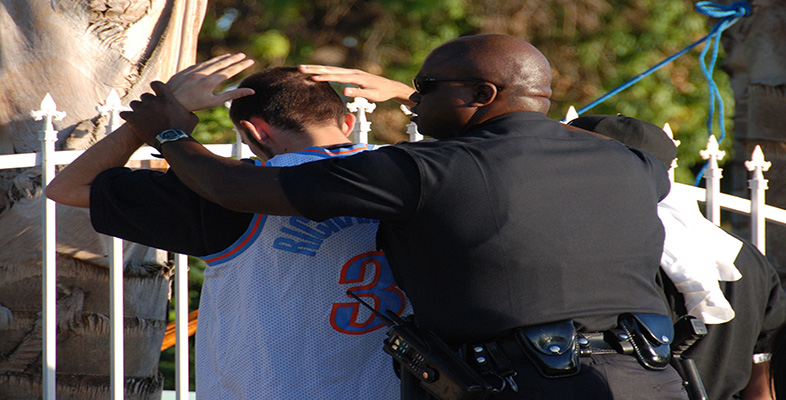
This free course, Race, ethnicity and crime, briefly examines the relationships between race and ethnicity, and crime, criminalisation and criminal justice. It considers the relationship between crime and cultural difference; the notion of 'criminalisation' and how its processes affect individuals and their opportunities; and the lived consequences of racialisation. Specifically, you will examine the ways in which these criminalisations which lead to the over-policing, over-incarceration and under-protection of particular populations lie at the heart of critical criminological arguments.
Course learning outcomes
After studying this course, you should be able to:
- explain why the concept of criminalisation is valuable for understanding race–crime debates
- describe the problem of disproportionality in relation to the criminal justice system
- provide examples of some of the ways in which critical criminology has conceptually approached and researched 'race' and ethnicity.
First Published: 22/04/2013
Updated: 10/05/2019
Rate and Review
Create an account to get more
Track your progress
Review and track your learning through your OpenLearn Profile.
Statement of Participation
On completion of a course you will earn a Statement of Participation.
Access all course activities
Take course quizzes and access all learning.
Review the course
When you have finished a course leave a review and tell others what you think.
From what i usually see on the internet, white people's views on black and asian people usually come from politics as this usually relates to criminal behaviors (e.g. corruption and drug use.) Sometimes from the mindsets of prejudice people who creates entertainment related-- this also impacts how people viewed races of others.