

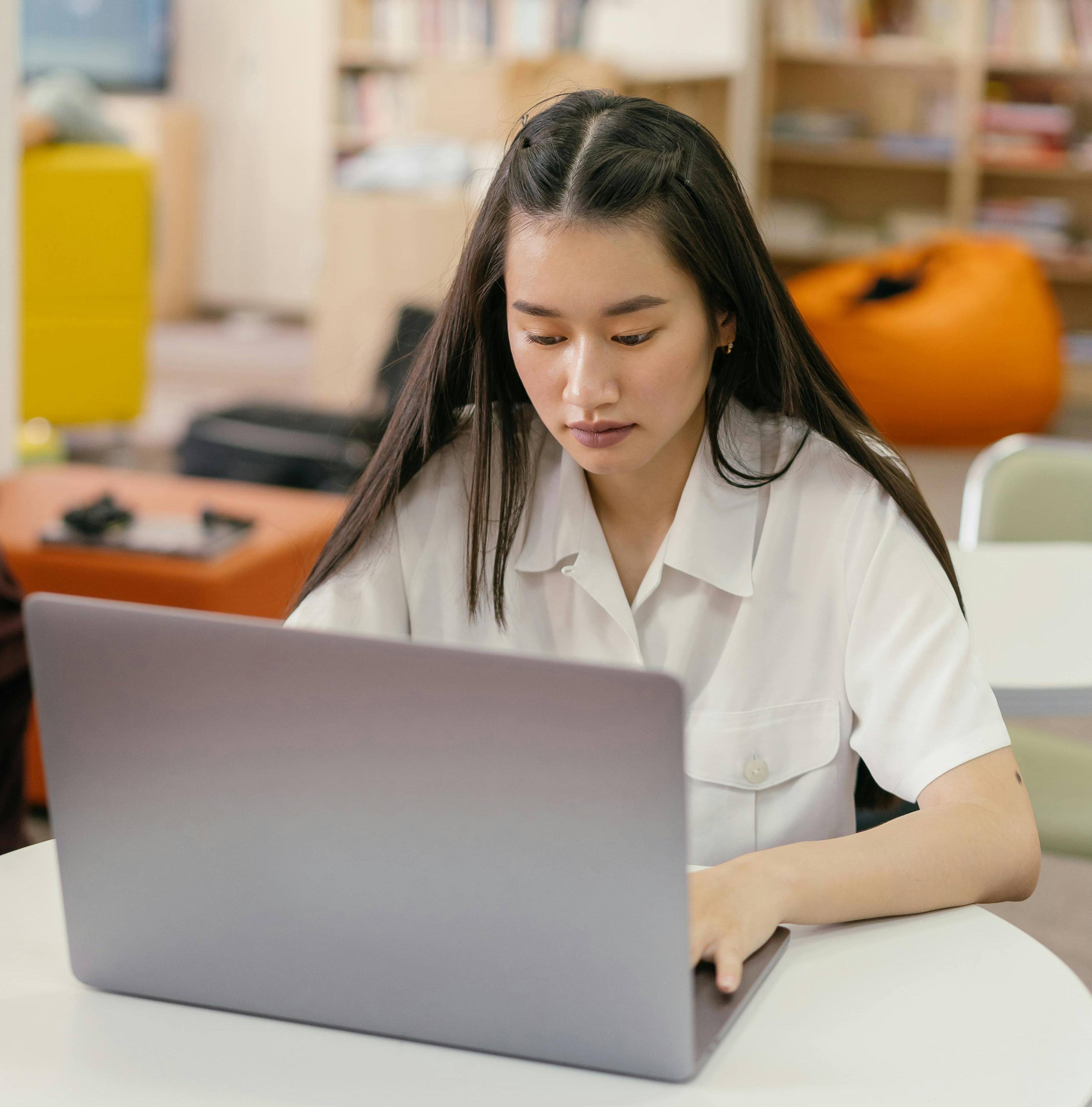
 Studying online is often described as flexible and convenient. You can learn from home, fit study around work or family life, and access materials at any time. However, this flexibility can quickly become overwhelming when students are required to navigate digital platforms. Having a computer and an internet connection is not always enough to succeed in online study. Many students struggle not because they lack access to technology, but because they lack the digital skills needed for online higher education.
My research explored tutors’ observations of digital challenges faced by students studying degrees online at The Open University during the 2024–25 academic year. Tutors were asked about the issues they saw among their students. The findings: the digital divide is less about owning digital technologies and more about being able to use them effectively for study (Harrison, 2026).
What do we mean by ‘digital disparities’?
When we talk about digital disparities, we are not just talking about whether someone has internet access or a laptop. Digital disparities describe differences in both access to digital technologies and how well people can use them. My study focused on three main areas:
- Internet access
This includes whether students have internet at home, and whether it is fast and reliable enough for study. A good connection makes it easier to watch videos, join online tutorials, and use the virtual learning environment without interruptions. - Device access
Students need a suitable computer for tasks such as writing assignments, opening multiple documents, and using specialist software. Problems can arise if devices are shared, outdated, slow, or not compatible with required software. - Digital skills for higher education
These are the skills needed to study online, such as using learning platforms, managing files, submitting assignments, and taking part in online discussions. These skills are different from everyday digital skills, like using social media or streaming videos.
Tutors reported digital disparities across all three areas (internet access, device access, and digital skills). However, difficulties with digital skills was the most common issue, followed by issues with devices. Slow or unreliable internet was also mentioned, but very few students had no internet access at all (Harrison, 2026).
Who is most affected?
Digital disparities were reported across all subject areas and at all stages of study. However, students who were new to their course were more likely to struggle than those who had already been studying for some time (Harrison, 2026). New students may be unfamiliar with learning platforms. If their digital skills are low at the start, this can make the transition into online study harder.
Why digital skills matter more than access
Having a device and an internet connection does not guarantee that studying online will feel easy. Many students reported struggling because they were unsure how to use digital technologies for learning. When study tasks feel difficult, studying can quickly become stressful. Over time, this can affect confidence, engagement and learning outcomes. Many of these challenges are preventable with preparation.
Preparing for online study
There are simple steps you can take to prepare for online study.
- Check your device to ensure it meets your course requirements.
For example, before starting an OpenLearn course, check the Frequently Asked Questions – Technical questions to make sure your device meets the requirements. This can help you avoid problems later.
- Test your Internet connection.
Before you begin, take time to test the speed of your internet connection using tools such as Which? Broadband speed test and BT Speed Test.

If it is slow or you find it unreliable (e.g. connection drops regularly) ask yourself these questions:
Can you upgrade to a faster connection?
Check the Ofcom broadband availability webpage. Struggling financially? If money is tight, you may qualify for a social tariff which offers cheaper broadband for people receiving certain benefits. Some providers also offer student deals such as BT’s student deals.
Can you plan high-bandwidth tasks (such as watching videos) for quieter times, when others in your household are not streaming or gaming?
- Build your digital skills for studying.
Digital skills for study are not the same as everyday digital skills. The good news is that they can be learned and improved. These free courses on OpenLearn can help:
Additionally, The Open University provides a resource to help you prepare for online study.
Are you ready?
Having a computer and internet is just the start. Getting comfortable with digital tools and building your skills makes all the difference. With a bit of preparation, online learning becomes smoother, less stressful, and much more productive.

Read more articles like this
-
STEM postgraduate research
Learn more to access more details of STEM postgraduate researchThis content hub highlights the diverse range of topics explored by postgraduate research students in STEM (Science, Technology, Engineering and Mathematics) at The Open University.
Develop your digital skills with these FREE courses
-
Digital skills: succeeding in a digital world
Learn more to access more details of Digital skills: succeeding in a digital worldBuild your confidence online with this free course designed to help you thrive in the digital world. Explore key skills such as managing your digital identity, staying safe, finding reliable information, and maintaining digital well-being — all while developing a critical, reflective approach to life online.

-
Introducing computing and IT
Learn more to access more details of Introducing computing and ITExplore how computing and IT shape our digital world with this free introductory course. Learn how computers work, how data is stored and deleted, and why online safety and data security matter while gaining a deeper understanding of how technology influences the way we live and think.

-
Am I ready to be a distance learner?
Learn more to access more details of Am I ready to be a distance learner?Distance learning can open up opportunities for study. You might have not studied for a while, you might be returning to education, or you might not have had the chance to study at a higher level before. This free course, Am I ready to be a distance learner?, will help to boost your confidence. You'll explore useful skills so you can discover ...

Rate and Review
Rate this article
Review this article
Log into OpenLearn to leave reviews and join in the conversation.
Article reviews
Philippa Harrison's article provides an insightful examination of the challenges students face in online education. The article effectively challenges the common assumption that access to technology alone guarantees success in digital learning. Instead, it highlights the importance of digital skills, showing that many students struggle not because they lack devices or internet access, but because they are unfamiliar with the digital tools required for higher education.
One of the strengths of the article is its use of research findings from tutors at The Open University during the 2024–25 academic year. These observations provide credible evidence that digital skills are the most significant barrier to successful online learning. The article also clearly explains the three key areas of digital disparities: internet access, device access, and digital skills, making the topic easy to understand for a wide audience.
Another positive aspect is the practical advice offered to students. Recommendations such as checking device requirements, testing internet connections, and completing digital skills courses provide useful guidance for those preparing to study online. The inclusion of free resources further increases the article's value.
However, the article could have been strengthened by including direct experiences from students themselves. While tutors' perspectives are informative, student voices would provide a more complete understanding of how digital disparities affect learning and motivation.
Overall, the article is informative, well-structured, and highly relevant in today's increasingly digital educational environment. It successfully demonstrates that developing digital skills is essential for academic success and that addressing these disparities can help create a more inclusive online learning experience.