2,362 search results

Opening up history: the intersections of tobacco consumption and modern war
History & The Arts

Opening up history: the intersections of tobacco consumption and modern war

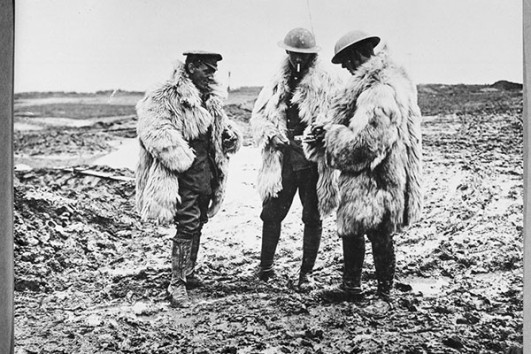
...History at The Open University. We speak to him here about his current research on smoking in wartime Britain, as part of our Opening up history series...Find out more about The Open University's Arts and Humanities courses and qualifications. 1. What first got you interested in history? [Dr Michael Reeve]I always find this sort of question interesting, and a bit tricky,...
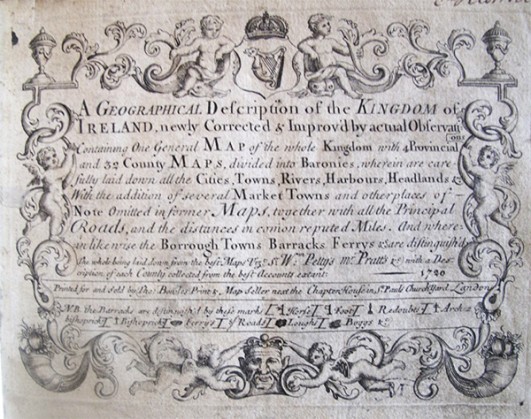
Opening up history: political culture in eighteenth-century Ireland
History & The Arts

Opening up history: political culture in eighteenth-century Ireland

...history series, where we delve into the thoughts and work of OU historians. ...Find out more about The Open University's Arts and Humanities courses and qualifications. 1. What first got you interested in history? [Suzanne Forbes]I’m not sure there was a single turning point or experience that got me interested in history. I enjoyed history at school, but what really...
Who gets to be a human? Religion in colonial histories and Indigenous resistance
History & The Arts

Who gets to be a human? Religion in colonial histories and Indigenous resistance

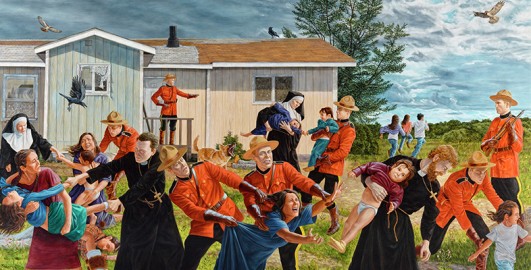
...histories and Indigenous resistance: Introduction - The global challenge of growing inequalities is intricately linked to the distinction made between those historically regarded as human and those not. You may wonder why the question ‘Who gets to be a human?’ matters. Historically, not all people were considered fully human. Some were considered rational, civilised,...
Opening up history: eighteenth century ideas of national independence
History & The Arts

Opening up history: eighteenth century ideas of national independence

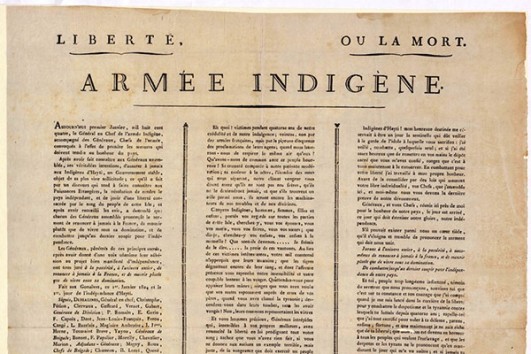
...history series, we speak to Dr Anna Plassart, senior lecturer in History about her current research. ...Find out more about The Open University's Arts and Humanities courses and qualifications. 1. What first got you interested in history? [Anna Plassart]I never intended to become a historian; my first degree was in economics. But I discovered that I was less interested in...
History of reading tutorial 1: Finding evidence of reading in the past
History & The Arts

History of reading tutorial 1: Finding evidence of reading in the past

...History of reading tutorial 1: Finding evidence of reading in the past, is the first in a series of tutorials designed to help users of the UK Reading Experience Database (UK RED) search, browse and use the resource, and explores the types of evidence historians have uncovered about the history of reading. Tutorial 2 (Red_2) and Tutorial 3 (Red_3) look at how this...
20 years in history: how much do you remember?
History & The Arts

20 years in history: how much do you remember?

A lot can happen in 20 years. Put your knowledge to the test to see how much you can remember with this interactive quiz. ...Click here or on the image below to start the interactive. [Launch page of the 20 years in history interactive quiz.]
History offers Britain an important lesson on shutting down immigration
Society, Politics & Law

History offers Britain an important lesson on shutting down immigration

...history repeating itself argues Dr Tendayi Bloom and Dr Katherine Tonkiss...[Immigration on map ] Immigration was at the centre of the EU referendum debate The rate of hate crimes reported in the UK has rocketed since the country voted to leave the European Union in June, according to the National Police Chiefs’ Council. In 2013 we published research on the parallels...
Ta, cheers, much obliged: A brief history of 'thanks' in English
History & The Arts

Ta, cheers, much obliged: A brief history of 'thanks' in English

...history of the phrase we find that it derives originally from the word ‘think’. In Old English (c.450 – c.1100) the primary sense of the noun ‘thank’ was ‘a thought’. From there, according to the Oxford English Dictionary, the meaning moved to ‘favourable thought or feeling, good will’, and by the Middle Ages it had come to refer to ‘kindly thought or...