2,825 search results

Why are people superstitious?
History & The Arts

Why are people superstitious?

...thinking for ourselves. The Leviathan For Spinoza, problems in Dutch society stemmed from the inappropriate intervention of religious power into its politics and everyday life. Instead, religion should be a matter of personal conscience, as well as one means of teaching everyone how to live together peacefully and cooperatively. His approach has often been compared to the...
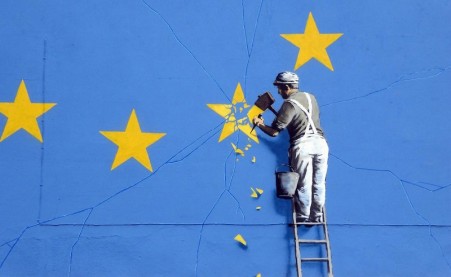
Brexiteers and Broflakes: how language frames political debate
Languages

Brexiteers and Broflakes: how language frames political debate

...think tank director – and prominent Remainer – Peter Wilding, used it in an article about the Eurozone crisis. It’s what’s known in linguistics as a blend – the result of a process whereby two words are fused together to create a new term. As a way of coining new words this is a very common process. In the last few years, for example, it’s given us such...
Jonathan Edwards' giant world record leap – what can we learn from his long career?
Health, Sports & Psychology

Jonathan Edwards' giant world record leap – what can we learn from his long career?

...think deeply about his jumping technique including a new two-arm swing skywards. The big jump The final ingredient in the mix is supreme confidence. Edwards’s 1995 season started well. A national record in his first contest, he was on his way. Then in June he achieved the longest leap of all time, 18.43m in Lille. Unfortunately the jump was only a hair’s breath,...
57 genders (and none for me?) - Part One
Society, Politics & Law

57 genders (and none for me?) - Part One

...think are more helpful: what does this change open up, and what does it close down? Reframing the question like this gets away from polarised ideas of right and wrong, good and bad. Instead it acknowledges the complexity of the situation and the fact that something can simultaneously expand understanding in some ways and constrain it in others. The main, extremely...
The arts in Participatory Action Research
Health, Sports & Psychology

The arts in Participatory Action Research

...thinking and strengthen their emotional wellbeing. It subsequently empowered them to discuss plans for leaving the refuge and returning to a life outside. Surprisingly, gaining employment was their main cause for concern around establishing a safe environment for themselves and their children. Domestic violence is a persistent and major problem throughout the world that...
Unparliamentary language: the benefits of swearing in politics
Languages

Unparliamentary language: the benefits of swearing in politics

...trying to make. With politics, of course, it’s always important to look beyond the words themselves to see how language is being used to create a particular effect. How rhetoric is being used to shape our understanding of the real issues. And in this respect, swearing is simply another rhetorical strategy that politicians embrace if they think it might help their cause....
The Psychological Risks in Reality TV and How Aftercare Should be Done
Health, Sports & Psychology

The Psychological Risks in Reality TV and How Aftercare Should be Done

...think through very carefully how to minimise harms, and indeed to maximise benefits for participants. Ten years working with the production team for the BBC/Open University Child of Our Time series opened my eyes to the care taken throughout to ensure that the families were happy with how they were portrayed and that a thorough duty of care protocol was followed before,...
How the sausage links us together
History & The Arts

How the sausage links us together

...think of sausages as a plebeian food eaten first by peasants and then by the working class – but many of Europe’s most iconic sausages were probably devised to please the palates of the rich. In the 16th century, salamis, capicolli pork sausages and other preserved meats were luxuries enjoyed by city dwellers, which also provided a bit of income for farmers. And so it...