2,184 search results

Getting started with Italian 2
Languages

Getting started with Italian 2

...Introduction - [Described image] Last week you learned how to ask and say what the time is. This week you’re going to learn and practise how to ask and say the time using the 24-hour clock, which is commonly used for arrival and departure times, and for opening and closing times of shops and services. You’ll also learn how to talk about different times of the day,...
Level 1: Introductory 8 hrs
Writing critically and structuring your essay - Academic Study Skills
Education & Development

Writing critically and structuring your essay - Academic Study Skills

...and postgraduate taught students. These include tips on how to study more effectively, time management, what is meant by critical thinking, as well as specific guidance on writing to a university standard. [Cardiff University logo] This resource was provided by Cardiff University and is part of the University Ready hub. Find more resources like this on the hub homepage....
The contribution of women in the Singer factory strike of 1911
Society, Politics & Law

The contribution of women in the Singer factory strike of 1911

...management’ Singer also imported new ‘scientific’ management techniques from the US in the form of ‘Taylorism’ which was becoming more widespread in Europe. These were closely intertwined with what became known as ‘Fordist’ style production processes. In the Fordist method, a version of which was introduced at the Singer factory, the labour process was...
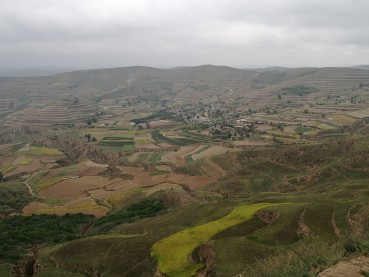
How can you turn desert into farmland?
Nature & Environment

How can you turn desert into farmland?

...management investigations. Building resilience in healthy and restored soils is essential to help them retain functions in a world of global environmental change, in which disturbances, such as drought and flooding, are expected. “The fundamental idea of resilience is how the system can respond to a shock,” says Johan Six, an agroecologist at the Swiss Federal...
Systems modelling
Science, Maths & Technology

Systems modelling

...Introduction - Maps and plans, architects‗ and engineers‗ drawings, graphs and tables: all are models we use in everyday life. This course will introduce you to the modelling process enabling you to recognise that systems models may be used in different ways as part of a process for: improving understanding of a situation; identifying problems or formulating...
Level 1: Introductory 4 hrs
Hybrid working: digital communication and collaboration
Digital & Computing

Hybrid working: digital communication and collaboration

...manage your digital persona and use the digital tools and understand expectations is becoming more important...Communication and digital collaboration skills are now essential for new ways of working and thriving in a digital world. As more organisations move to permanent hybrid working, being able to connect with others, manage your digital persona and use the digital...
Staying on the “right” side of public opinion—and how to avoid controversy
Money & Business

Staying on the “right” side of public opinion—and how to avoid controversy

...Management at OUBS, explored the concept of legitimacy; why it is important to your business in the short and long-term; and how it can help your business adapt and survive in the future. The briefing aimed to: Give new insights and perspectives into your business Explain how to make you business more responsible Suggest how to improve your reputation in the eyes of the...
Dementia in the first person: Dementia Diaries give a voice to people with dementia
Health, Sports & Psychology

Dementia in the first person: Dementia Diaries give a voice to people with dementia

...managed by the Dementia Engagement and Empowerment Project. People living with dementia are given 3D printed recording devices which allow them to record, and then share, their experiences. Here's just a taste of the dozens of stories the project now hosts: Allan Davies: Make eye contact before talking Anne Scott: Not 'dementia Anne' at Christmas Kathy Dunning: Why do we...