If you are creating a new learner account between 8am on Saturday 6 June - 8am on Monday 8 June, you might experience delays or difficulties in the process. This is due to an upgrade to a system related to new account creation. We apologise for the inconvenience.
Start this free course now. Just create an account and sign in. Enrol and complete the course for a free statement of participation or digital badge if available.
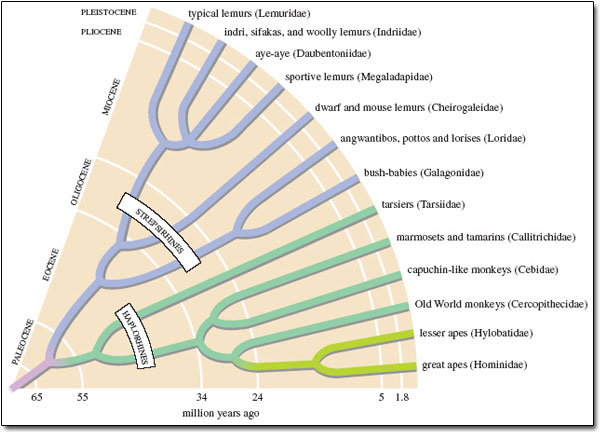
Figure 2: Macdonald, D. (ed.) (2001), The New Encyclopedia of Mammals, Oxford University Press;
Figure 2 A proposed evolutionary tree of the primates that reflects the majority opinion amongst taxonomists, with the two suborders Strepsirhini and Haplorhini. The names of the 13 present-day families are on the right. Colour differences reflect degree of divergence. All these dates are very, very approximate; for example, some primatologists now argue that primates originated as long as 90 million years ago, rather than the 60 million years ago implied here, which comes from direct reading of the fossil record