
4 Developing diversity after 1945
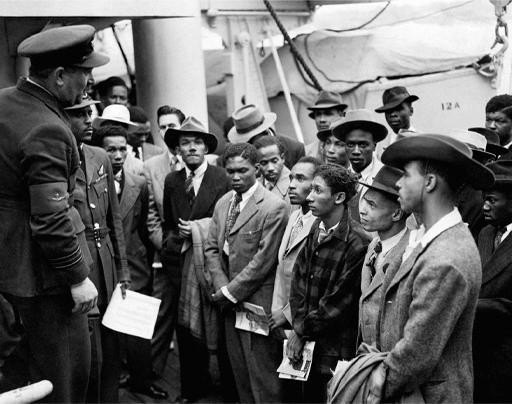
Figure 6: Jamaican immigrants are welcomed by RAF officials from the Colonial Office as they arrive at Tilbury Docks on the HMT Empire Windrush, 1948 [A black and white photograph showing a large group of young Jamaican men in suits and hats on the deck of a ship with a lifeboat in the background. They are all facing and listening to two uniformed RAF officers, one Black, who holds a list] Source: https://www.alamy.com/stock-photo/Jamaican-immigrants-welcomed-by-RAF-officials-from-the-Colonial-Office-after-the-ex-troopship--HMT-'Empire-Windrush'-landed-them-at-Tilbury..html?sortBy=relevant
In the aftermath of the Second World War there was a labour shortage in the United Kingdom and an important change to nationality legislation was made. The British Nationality Act (1948) made citizens of Commonwealth countries (countries which had been part of the British Empire but were becoming independent) ‘members of the same single family under His Majesty’.
This meant that, legally, for someone from Jamaica, or Kenya, India or Pakistan to move to Birmingham was just as simple as someone from Scotland moving from London – no paperwork or application was required. The first transport ship bringing Commonwealth citizens to live and work in the UK was the HMT EMPIRE WINDRUSH, and hence this generation of immigrants has sometimes been referred to as the ‘Windrush Generation’.
Considerable numbers took the opportunity of this new freedom of movement, with the largest numbers arriving from the West Indies, India and Pakistan. By 1968 it is estimated that Commonwealth citizens represented about 2 per cent of the total population of mainland Britain – c. 1 million people.
Those arriving from Commonwealth countries were often subjected to racist treatment and found it hard to secure adequate employment and housing. This was in part because of the ‘colour bar’ – the widespread and deliberate exclusion of Black or Asian people from certain jobs, public and social spaces. Before 1965, this was not illegal.
Activity 3 Experiences of racism in the 1950s and 1960s
Listen to the following audio clip of Frank Scantlebury (who arrived in the UK in 1955 from the Caribbean and moved to Bath). In this clip he talks about finding accommodation
Now read the quote below, in which Avtar Singh Jouhl (who arrived in the UK in 1958 from India and moved to Smethwick) describes an early experience in a pub in the Midlands.
Avtar Singh JouhlI opened the door [to a room in a pub], and there were all white men. I asked why and they said, ‘Gaffer [the landlord] doesn’t let us drink in that room,’ and we were allowed to only go in one smoke room and one public bar. I asked why and was told, ‘The Gaffer says we talk very loudly and white people don’t like us talking very loudly. And when we talk in Punjabi the white people complain that we are talking about them in our language’. This was just the excuse, because in real terms it was the colour bar operating, and it was in every public bar in Smethwick and Handsworth.
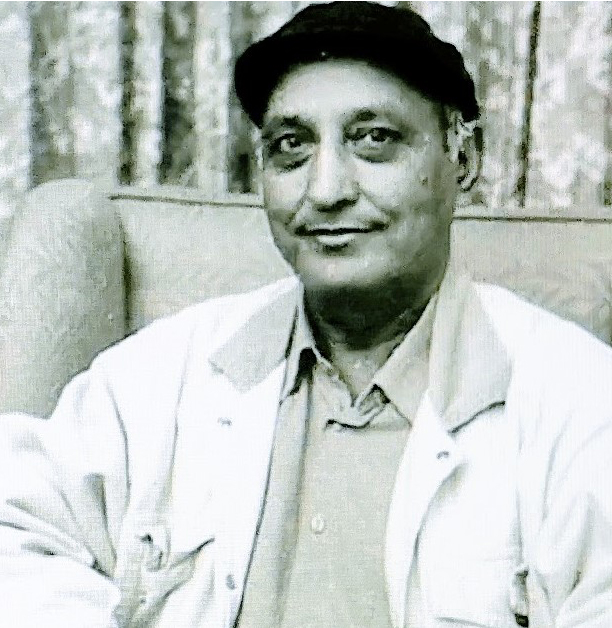
Avtar Singh Jouhl
What do these two historical sources indicate to you about life in Britain in the 1950s and 1960s?
Discussion
Both sources illustrate how widespread and ingrained racism was, affecting all areas of economic and social life for new arrivals from commonwealth countries. Despite believing they would be welcomed into the UK, the new arrivals struggled to find somewhere to live and socialising with resident communities was made difficult through ‘colour bars’.
The 1960s witnessed growing public concerns at the potential social and economic impact of immigration from Commonwealth countries. Although largely unwarranted, and primarily a reaction to social change, the issue became highly politicised.
The mid-1960s saw legislation aimed both at integration of immigrants and at the exclusion of new arrivals. The 1965 Race Relations Act prohibited racial discrimination in ‘places of public resort’ such as hotels and restaurants, and the 1968 Race Relations Act sought to end discrimination in housing and employment.
Alongside this, more restrictive immigration legislation was introduced in 1968 and 1971, effectively closing the door to immigration from the Commonwealth.
Thus, the period 1948–1971 saw significant influxes of new citizens from Commonwealth countries. Many experienced racism but nonetheless made new lives in mainland Britain. This rapid social change posed new challenges for the British police. How did they respond?