- The Open University
- Accessibility hub
- Гість-користувач / Sign out
- Study with The Open University
- Accessibility hub

- The Open University
- Accessibility hub
- Гість-користувач / Sign out
- Study with The Open University
- Accessibility hub
My OpenLearn Profile
Personalise your OpenLearn profile, save your favourite content and get recognition for your learning
Exploring evidence-based policing
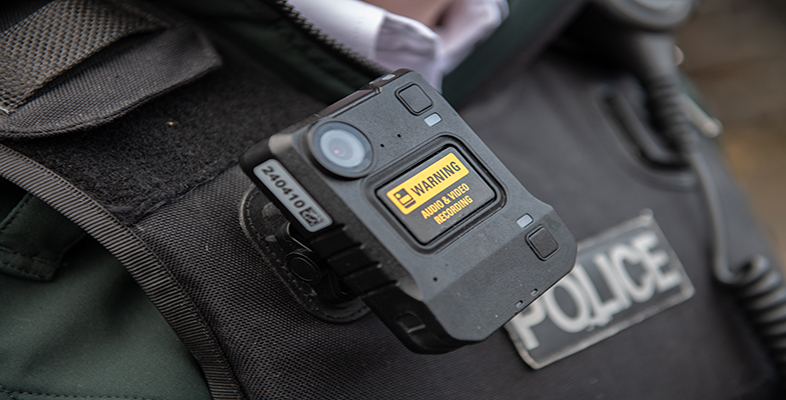
This course, Exploring evidence-based policing, examines the basic elements of evidence-based policing and gives insight into how more evidence-based approaches can inform better policing practice.
This course was produced by The Open University in association with the Police Service of Northern Ireland.
Course learning outcomes
After studying this course, you should be able to:
- understand more effective evidence-based approaches to decision making
- consider ways in which evidence-based policing can enhance policing practice
- understand ways that you can make more informed evaluations on the effectiveness of approaches to policing
- reflect on ways in which evidence-based practice in policing can affect communities both positively and negatively.
First Published: 23/03/2021
Updated: 23/03/2021
Rate and Review
Create an account to get more
Track your progress
Review and track your learning through your OpenLearn Profile.
Statement of Participation
On completion of a course you will earn a Statement of Participation.
Access all course activities
Take course quizzes and access all learning.
Review the course
When you have finished a course leave a review and tell others what you think.
The existence, if sadly not the timely maintenance of, the 𝗖𝗼𝗹𝗹𝗲𝗴𝗲 𝗼𝗳 𝗣𝗼𝗹𝗶𝗰𝗶𝗻𝗴's 'toolkit': https://www.college.police.uk/research/crime-reduction-toolkit/problem-oriented-policing?InterventionID=47, does at least suggest greater focus on EDP at the centre of police best practice.
It was also interesting to note the Superintendent's comment with regard to the "𝗦𝗰𝗮𝗿𝗲𝗱 𝗦𝘁𝗿𝗮𝗶𝗴𝗵𝘁" intervention (which focuses on juvenile delinquents or children at risk of becoming delinquent) having "actually shown to 𝗶𝗻𝗰𝗿𝗲𝗮𝘀𝗲 offending". [As confirmed by: https://www.college.police.uk/research/crime-reduction-toolkit/scared-straight"] Only this morning (26/5/2025) 𝗕𝗕𝗖 𝗕𝗿𝗲𝗮𝗸𝗳𝗮𝘀𝘁 had featured a mobile prison cell that was being used to educate primary school children, with regard to the possible outcomes of any future criminality. This was being run by a former police officer; there was no indication of whether the required research had been undertaken.
The fact that a good overview of this subject yielded only a 3* was largely down to:
1) The audio for Dr Nicky Miller's interview was of a very low quality overall.
2) The automated transcription of both videos led to unfortunate results, e.g., Sahara in place of SARA.
3) Unlike all other OU courses, the transcriptions did not include the actual questions that the interviewees were responding to.
4) The MS Word document is merely a skeleton, unlike the PDF version. The headings contained in the former indicated that the final version was re-structured fairly significantly from that which had originally been planned.
5) Perhaps most importantly, the last paragraph of 𝟱.𝟰, stating that "Ultimately, while EBP may be beneficial for some policing problems it is 𝗻𝗼𝘁 𝗮 𝘂𝗻𝗶𝘃𝗲𝗿𝘀𝗮𝗹 𝗽𝗮𝗻𝗮𝗰𝗲𝗮", should really have been included in the 𝗖𝗼𝗻𝗰𝗹𝘂𝘀𝗶𝗼𝗻.
6) Various references need updating; especially the 𝗖𝗼𝗹𝗹𝗲𝗴𝗲 𝗼𝗳 𝗣𝗼𝗹𝗶𝗰𝗶𝗻𝗴's 'toolkit'.
...anyway, I hope that some of the above proves beneficial.