
 video icon
Nature & Environment
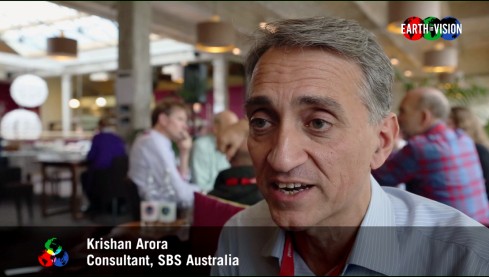
Krishan Arora - Earth in Vision
Krishan Arora, consultant producer and former BBC commissioner, discusses the issues around commissioning environmental programmes in both the UK and abroad - including the once-upon-a-time industry reluctance to use the word "environment" - and outlines the ethical issues surrounding making archives open to the public.
 article icon
Nature & Environment
What effect does increasing noise pollution have on mammals?
A researcher explains how prairie dogs appear to have developed strategies to keep alert in noisier environments - but there might be a downside.
 article icon
Nature & Environment
What can Chinese students in Southampton teach us about going green?
Research amongst Chinese students studying in the UK explores whether studying overseas can change people's behaviour.
 article icon
Nature & Environment
Do whales use their heads to attack boats?
New research suggests the formidable forehead of the sperm whale might be perfect for ramming potential threats.
 free course icon
level 1: introductory icon
free course icon
level 1: introductory icon
Nature & Environment
Working with our environment: an introduction
Global warming: are we responsible? Is our environmental impact damaging the planet? This free course, Working with our environment: an introduction, examines the use of ozone-depleting technology, the impact of fossil fuel use and explores how the development of technology can influence the direction of a society. From the Industrial Revolution...
 free course icon
level 2: intermediate icon
free course icon
level 2: intermediate icon
Nature & Environment
Energy resources: solar energy
Energy from sources other than fossil and nuclear fuels is to a large extent free of the concerns about environmental effects and renewability that characterize those two sources. Each alternative source supplies energy continually, whether or not we use it, and most have their origins in energy generated outside the Earth, yet the potential of ...
 free course icon
level 1: introductory icon
free course icon
level 1: introductory icon
Science, Maths & Technology
Earthquakes
Earthquakes shake the ground surface, can cause buildings to collapse, disrupt transport and services, and can cause fires. They can trigger landslides and tsunami in short, earthquakes can be very destructive. In this free course, Earthquakes, you will look at why, where and what happens when they occur and also at how earthquakes are assessed...
 free course icon
level 2: intermediate icon
free course icon
level 2: intermediate icon
Nature & Environment
Surface water
Water is arguably the most important physical resource as it is the one that is essential to human survival. Understanding the global water cycle and how we use water is essential to planning a sustainable source of water for the future. In the UK there are areas where water supplies are limited, as shown by recent droughts. Globally, there are ...
 free course icon
level 1: introductory icon
free course icon
level 1: introductory icon
Science, Maths & Technology
Biofuels
This free course, Biofuels, investigates what is meant by a biofuel and covers the advantages of using biofuels compared with fossil fuels. The different types of biofuel are explored, with particular emphasis on transport biofuels. Finally, the issue of whether biofuels are the complete answer to our future energy needs is considered.
 article icon
Nature & Environment
Do Something Great
As part of the BBC's Do Something Great season, we've compiled a range of resources to help you give back in the community and explore volunteering.
 article icon
Money & Business
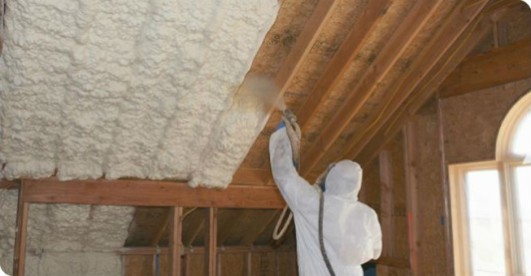
What does scientific evidence tell us about making our homes energy efficient?
There's lots of advice about how to save money by making your house more efficient. But how much of it is just - ho ho - hot air? Meet a man who built a house in a lab to find out.
 article icon
Society, Politics & Law
Introducing Geography Matters
The 'Geography Matters' initative is coming to the Faculty of Arts and Social Sciences.