
My OpenLearn Profile
Personalise your OpenLearn profile, save your favourite content and get recognition for your learning
Studying mammals: The opportunists
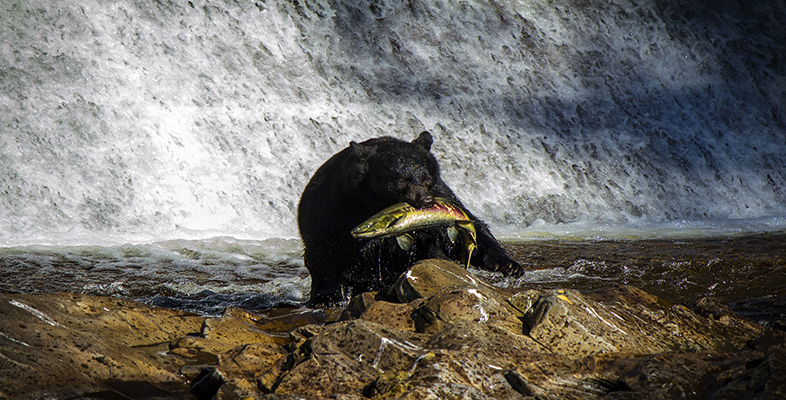
Many mammals are food specialists, with complex adaptations that gear them toward a particular food source. So how do the omnivores survive and prosper without these fancy evolutionary features? This free course, Studying mammals: The opportunists, examines the physiology, diet and strategies of some of these opportunistic feeders. It is the sixth course in the Studying mammals series.
Course learning outcomes
After studying this course, you should be able to:
- explain the concept of energy transfer between trophic levels
- outline the usefulness and limitations of food chains and food webs
- using examples, weigh up the value of dietary specialisation and of omnivory
- summarise the physiological changes linked with 'hibernation' in grizzly bears
- give examples of variations in diet and lifestyle among the bear family.
First Published: 09/08/2012
Updated: 16/03/2016
Rate and Review
Create an account to get more
Track your progress
Review and track your learning through your OpenLearn Profile.
Statement of Participation
On completion of a course you will earn a Statement of Participation.
Access all course activities
Take course quizzes and access all learning.
Review the course
When you have finished a course leave a review and tell others what you think.