
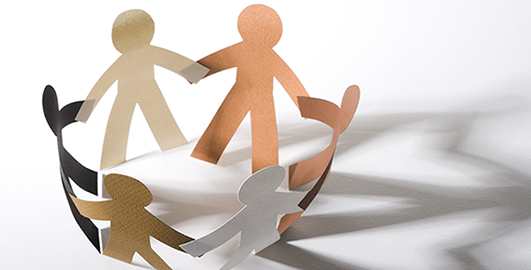
1 The concepts of rupture and repair
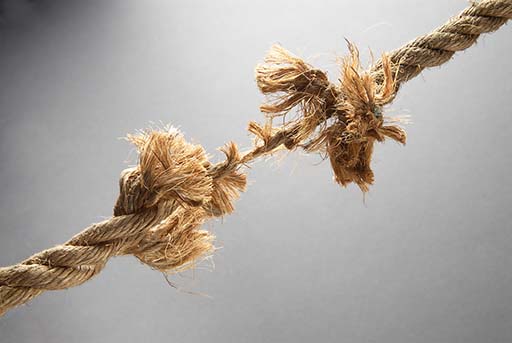
Social life is characterised by various relationships – those with family and friends, neighbours, wider communities, and those people have with social institutions such as government services, schools or universities. But what happens when things go wrong in social relationships – how do societies deal with that? When social relationships rupture, the forms of formal repair that many Western societies turn to tend to be facilitated through legal or court processes.
To understand the responses that societies rely on in relation to social problems or ruptures, such as family breakdown, interpersonal harm or crime, it is vital to consider the wider social relationships and structures from which these issues tend to emerge.
The appearance of social vulnerabilities, disputes, harms and crimes are indicators of social rupture. These ruptures are almost always linked to many previous factors or issues that have gone unresolved.
For example, imagine that Bob goes to a cafe after work and gets into an argument with John – a total stranger – when John knocks over Bob’s drink. Bob and John end up fighting and Bob punches John and is subsequently charged with assault. Other customers in the cafe, the media, the police, and the court system will all narrowly focus on the seemingly isolated event of Bob assaulting John.
But let’s think about this scenario with a wider view that seeks to understand this incident as part of a complex web of interacting factors, which eventually lead to what can be seen as a tear in social relationships. That is, this event (Bob assaulting John) can be viewed as something that is so serious that the criminal justice system needed to become involved.