You can start learning at any time. By signing up and enrolling you can track your progress and earn a Statement of Participation upon completion, all for free.
#DEFYHATENOW: HOW TO IDENTIFY & REPORT HATE SPEECH ONLINE
The
#defyhatenow Social Media Hate Speech Mitigation course on How to
Identify & Report Hate Speech Online is aimed at people who want to
have a positive impact on their communities through developing social
media skills to become a positive influencer. The course supports those
working as individuals or in collaboration with youth, civil society,
peace-builder and media organizations, international agencies, community groups
and schools.
The course offers practical hands-on information to
understand, identify, counter and report hate speech and dangerous
speech online.
What you will learn in this course:
The guidelines and definitions of hate speech on different platforms
Main concepts of how social media is used to spread hate speech
Differences between propaganda, hate speech and incitement to violence
Knowledge on how to identify online Hate Speech in various contexts
Share and reflect on your own experiences of dangerous speech and how to counteract it
A step-by-step guide on how to report hate & dangerous speech on social media
Find the resources to continue learning after the course is completed
Course Activities Required for Successful Completion
Read through the articles, guidelines and definitions
Watch all video content
Contribute to the online discussion with fellow students
Read closely and in detail all the lesson information
Finish and submit all exercises, quizzes and tests
To complete the course successfully, plan to spend around 2 hours on each lesson
Prerequisite Knowledge & Skills
Computer Literacy
Basic knowledge of Social Media
Community engagement, leadership and capacity to moderate discussions
Developed
and compiled by the #defyhatenow initiative with selected excerpts from
materials published by collaborative partner organisations &
networks, 2015 – 2018.

To enrol on this course, sign in and create your free account
If this is your first visit to this site, you need to register for a free account, then login on this site and click on the Enrol button for this course.
Thank you for joining the #defyhatenow course on how to identify and report hate speech online. We are currently reviewing the course with user testing and value your feedback.
As you work through each topic, read the articles, watch videos, engage in discussion and answer the quiz questions.
Please start with this article for an overview of the various issues around hate speech.
In
broad terms, hate speech is a communication that denigrates people on
the basis of their membership of a particular group. This can include
any form of expression, such as images, plays, and songs, as well as
speech.
Some
definitions even extend the concept of hate speech to include
communications that foster a climate of prejudice and intolerance – the
thinking here is that these kinds of communications may fuel
discrimination, hostility and violent attacks later on.
What about online hate speech?
Hate
speech often shows up online, especially on social media. Facebook,
Twitter and Google each has its own specific definition of hate speech
and their approaches to dealing with it are evolving.
In the comments, briefly introduce yourself and write the main points of your understanding or of hate speech, based on your own experiences and the above definitions. Read the outline of contributing factors and effects below and reflect on these where relevant in your discussion.
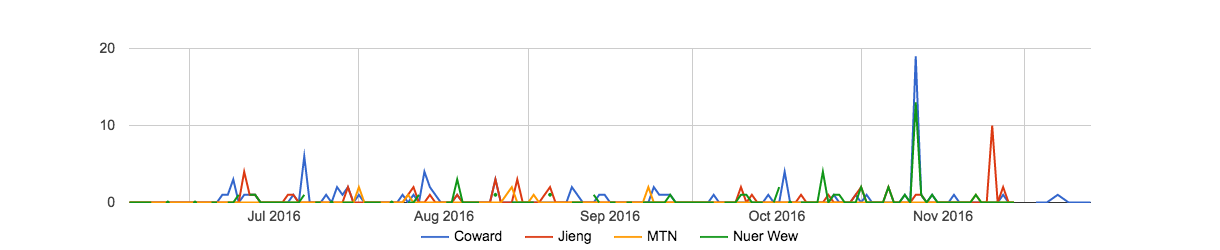
Watch and discuss in the forum below. Pay attention to how the video illustrates in specific ways how "Hate Speech has become a major issue in escalating the South Sudan conflict."
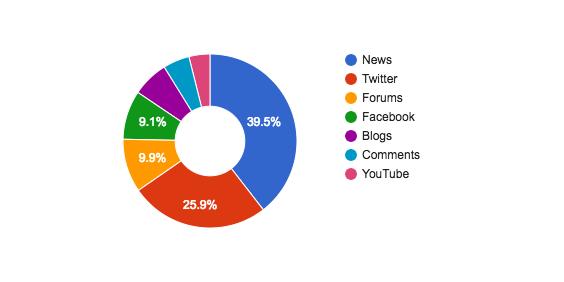
Based on the video produced by PeaceTech Lab, give one or two examples of how hate speech has contributed to the escalation of conflict in South Sudan. Consider both the platforms used and types of messages being shared (rumour, misinformation, propaganda).
Here we learn about some of the global efforts to curb and counter hate speech, and explore the differences between freedom of expression, dangerous speech and hate speech.
The No Hate Speech Movement, Defusing Hate Workbooks, Stopping Hate on Twitter, Counter-Narrative Toolkits & social media campaigns to counter extremist narratives.
PeaceTech Lab developed the Social Media Lexicon of Hate Speech Terms, combining cutting-edge social media analysis with in-country expertise to identify both the terms likely to incite violence, and their social and political context
1. Emotional: Reinforcing negative stereotypes & 'other.' Lack of social media ethics; lack of understanding of the consequences and effects of online activity.
2. Personal or group violence: De-humanising the other, propaganda, image/fact manipulation.
3. Organised, aimed, directed Incitement to violence: Hoax / deliberate spread of rumours to spark violence or armed action, potential for genocide.
PDF: Exercise to identify categories of Hate Speech & Examples of terms from the Leixcon
This discussion is a place for you to explore with compassion your understanding of the effects hate speech has on members of your community, individuals and society as a whole.
How would you start to consider ways to stop the spread of hate speech, online & offline?
05. Identify category, context and intention of hate speech
Using the PDF 'Categories of Hate Speech and Emotional Responses' and examples from your own experience or those illustrated on the poster, discuss your understanding of different types of hate
speech. Can you identify three ways to describe how does hate speech differ in content and intent from dangerous speech?
Step-by-step instructions to report abuse on Facebook
Social media platforms been criticised for their handling of complaints. They are not always responsive to user concerns, but overall they do continue to assess new ways to monitor & counter hate speech.
We encourage free speech and try to defend your right to express
unpopular points of view, but we don't permit hate speech. Hate speech
refers to content that promotes violence against or has the primary
purpose of inciting hatred against individuals or groups based on
certain attributes, such as: race or ethnic origin, religion,
disability, gender, age, veteran status, sexual orientation/gender
identity.
The #defyhatenow initiative to combat social media hate speech by the
r0g_agency for open culture and critical transformation gGmbH, Berlin,
with partners in South Sudan and internationally, is funded by the ifa –
Institut für Auslandsbeziehungen (zivik) with means of the German
Federal Foreign Office (Auswärtiges Amt).
#defyhatenow Social Media Hate Speech Mitigation Field Guide
The Social Media Hate Speech Mitigation Field Guide is an outcome of the
#defyhatenow initiative for combating online hate speech and mitigating incitement to violence.
To enrol on this course, sign in and create your free account
If this is your first visit to this site, you need to register for a free account, then login on this site and click on the Enrol button for this course.
We invite you to discuss this subject, but remember this is a public forum.
Please be polite, and avoid your passions turning into contempt for others. We may delete posts that are rude or aggressive; or edit posts containing contact details or links to other websites.
Course reviews
EXCELLENT COURSE ON INTRODUCTION TO HATE SPEECH
EMMANUEL BIDA THOMAS Abui23 November 2023 12:30
The materials presented in this course have helped me understand the basics of hate speech mitigation - especially the aspect of reporting hate speech related content.
To enrol on this course, sign in and create your free account
If this is your first visit to this site, you need to register for a free account, then login on this site and click on the Enrol button for this course.
Any third-party materials featured in this course are used with permission and are not ours to give away. These materials are not subject to the Creative Commons licence. See the
terms and conditions and our FAQs. Please see the course acknowledgements for further information about copyright details.
For further information, take a look at our frequently asked questions which may give you the support you need.
You can start learning at any time. By signing up and enrolling you can track your progress and earn a Statement of Participation upon completion, all for free.
Any third-party materials featured in this course are used with permission and are not ours to give away. These materials are not subject to the Creative Commons licence. See the
terms and conditions and our FAQs. Please see the course acknowledgements for further information about copyright details.
For further information, take a look at our frequently asked questions which may give you the support you need.