
Part 1: Classification and naming of plants
4. Plant names in detail
Sometimes a plant has more than two names, but there is a basic set of rules that apply to the naming of plants, and once you understand these rules you will be able to understand any plant name.
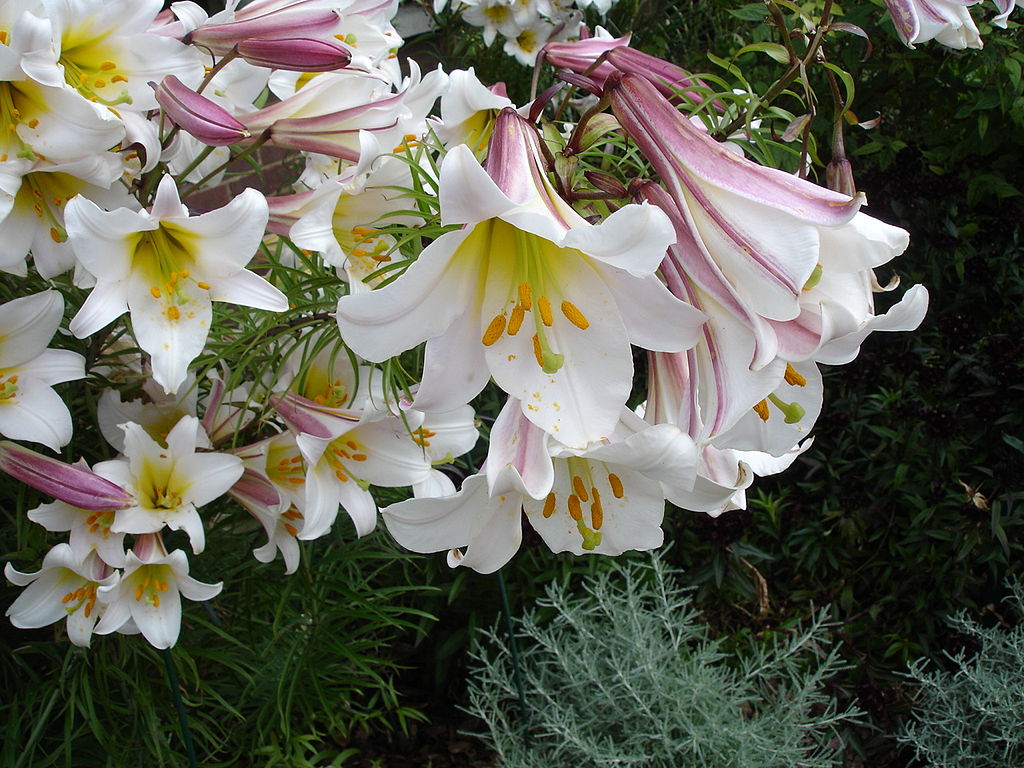
Lilium regale
Epibase / CC BY-SA 3.0
The first name is the genus. The genus should be in italics and the first letter should be a capital.
The genus (plural = genera) is the group of plants that the plant shares genetics with, a genus could be ‘Rosa’ for rose, ‘Papaver’ for poppy, or ‘Geranium’ for Geranium (sometimes the common name is the same as the botanical name).
Above is Lilium regale - 'Lilium' is the genus.
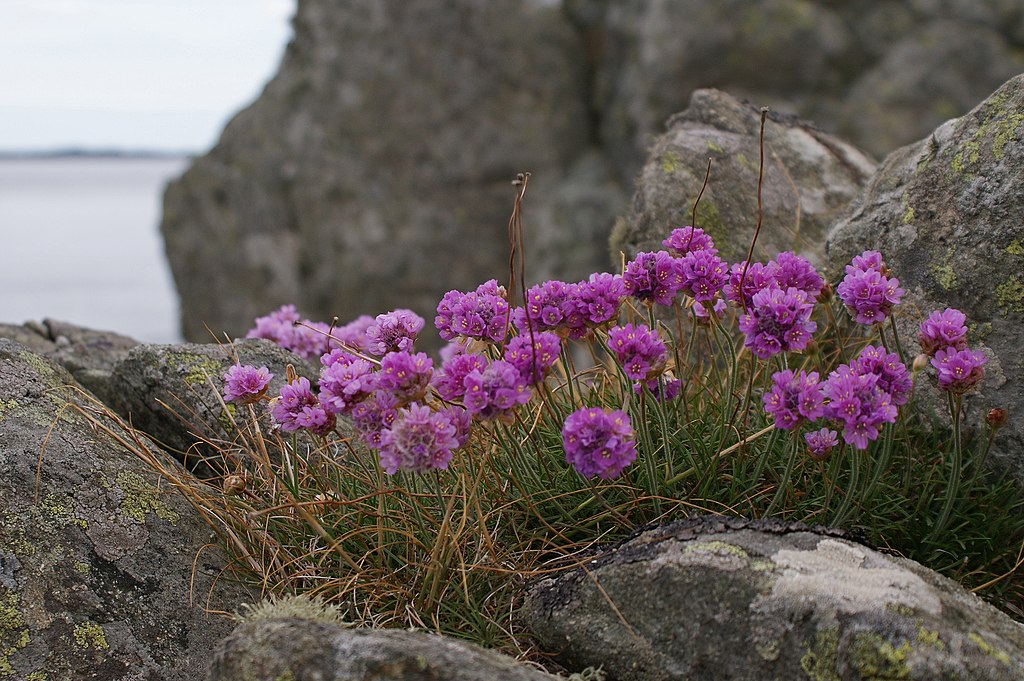
Armeria maritima
Randi Hausken / CC BY-SA 2.0
The second name is the species. The species name should be in italics and all letters should be lowercase.
The species distinguishes that plant from the other plants in that genus, so it gives a name for the type of rose, or the type of sunflower.
Above is Armeria maritima - 'maritima' is the species.
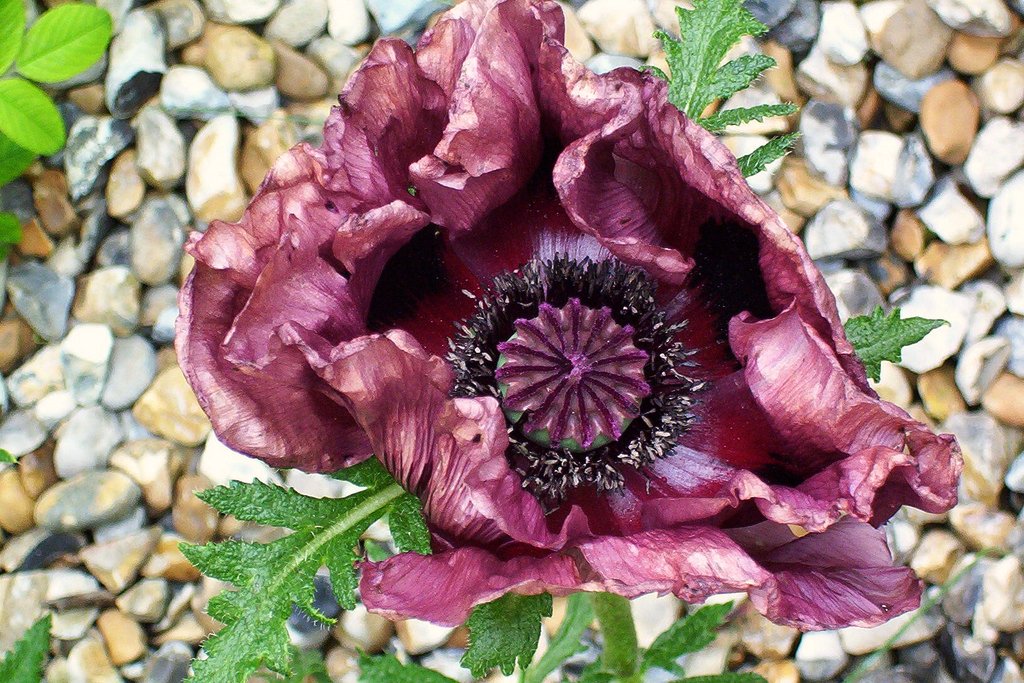
Papaver orientale ‘Patty’s Plum’
Steve Law / CC BY-SA 2.0
If there is another name after the species name which is in inverted commas, then this is the cultivar.
The cultivar should not be in italics, but should be in inverted commas and should have a capital letter at the start of each word.
The cultivar is an extra name given to a plant if it has been bred artificially, rather than it occurring in that form in the wild.
The example above is Papaver orientale ‘Patty’s Plum’ - ‘Patty’s Plum’ is the cultivar.
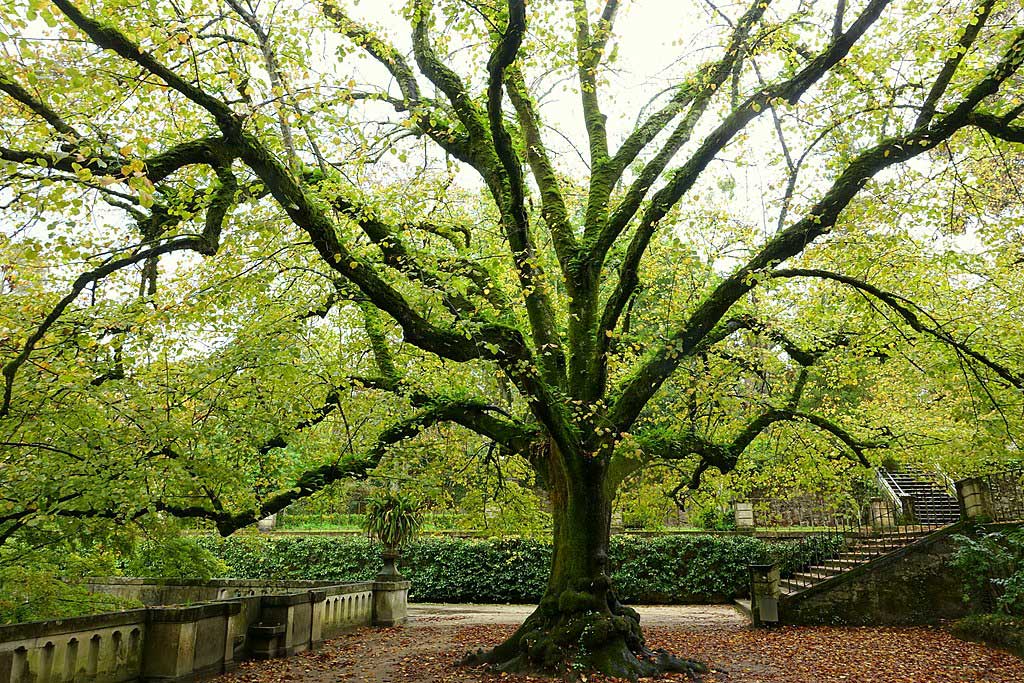
Tilia x europaea
Daderot / CC0
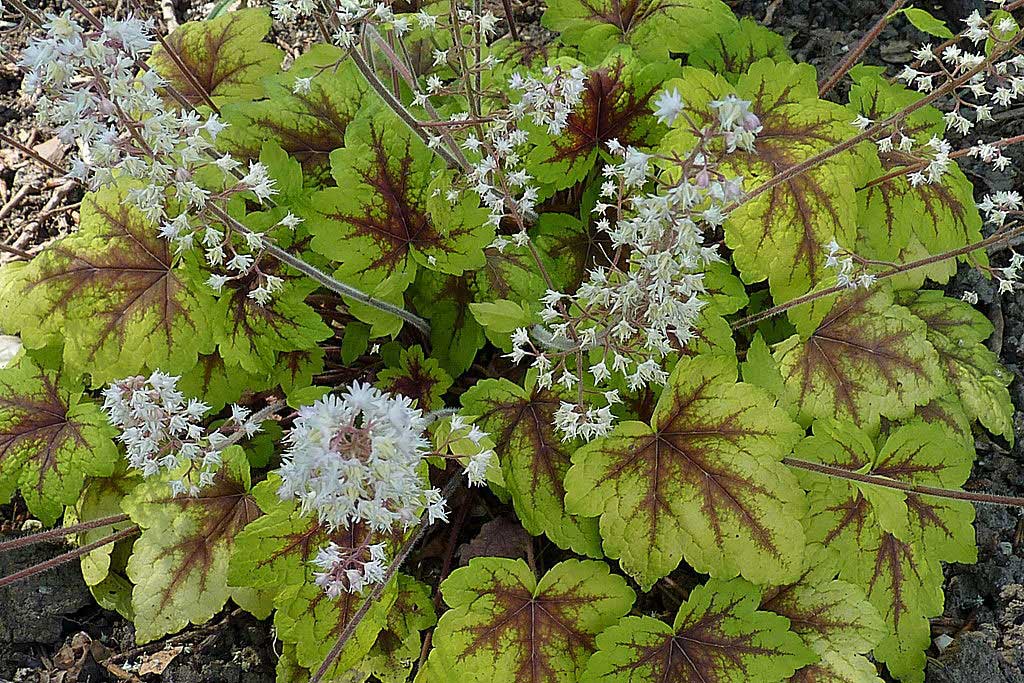
x Heucherella tiarelloides ‘Stoplight’
Jamai / CC BY-SA 3.0
If a plant is a hybrid (cross-breed) between two species, then an ‘x’ is put in front of the species name.
In rare circumstances a plant can be a hybrid between two genera, in which case a ‘x’ is put in front of the genus name.
Shown above are two examples:
Tilia x europaea - The ‘x’ shows that this is a hybrid species. It is a hybrid between Tilia cordata and Tilia platyphyllos.
x Heucherella tiarelloides ‘Stoplight’ - The ‘x’ shows that this is a hybrid between genera. It is a hybrid between Heuchera and Tiarella.
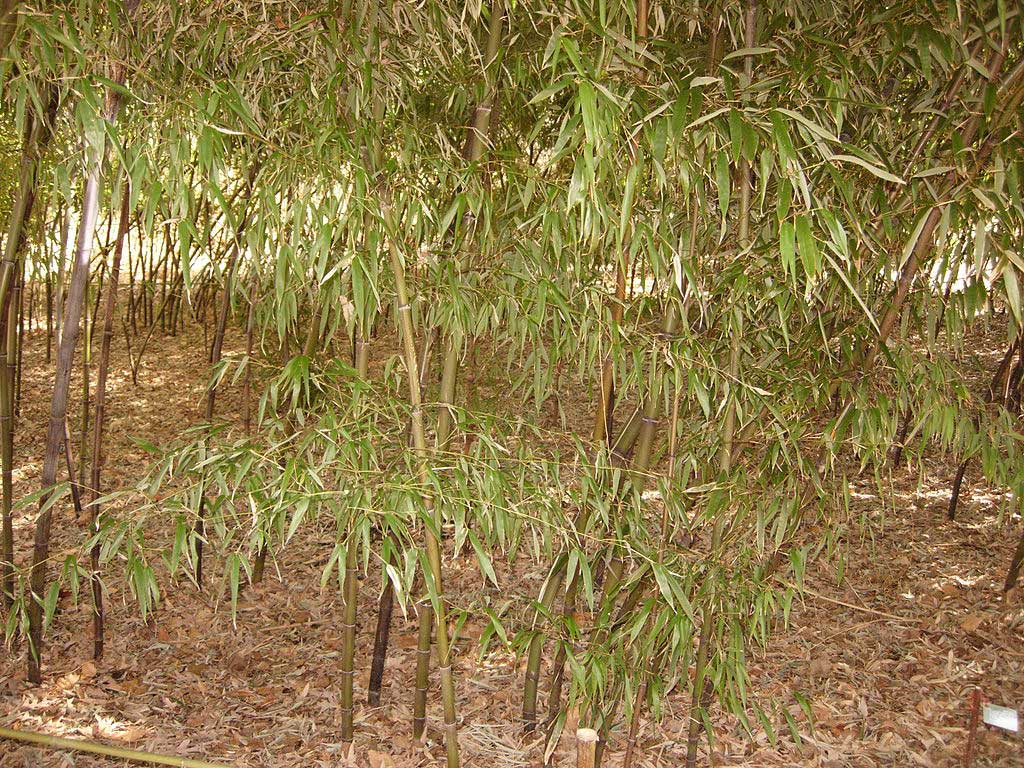
Phyllostachys nigra var. punctacta
Malcolm Gin / CC BY-SA 3.0
If a plant is slightly different from the original, but not so different that it warrants its own species, then it can be given a variety name instead.
This is represented by the letters var. before the variety name.
Above is Phyllostachys nigra var. punctacta - ‘punctacta’ is the variety name.
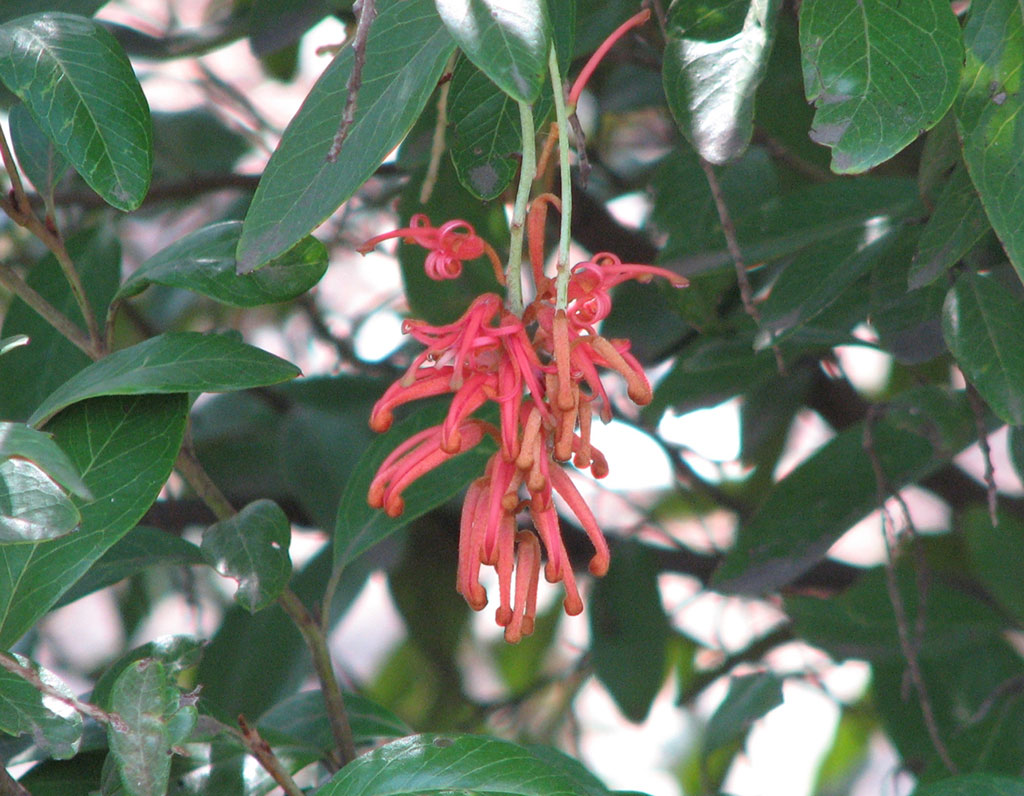
Grevillea victoriae subsp. nivalis
Melburnian / CC BY 3.0
If a plant is slightly different from the original plant because of an adaptation to its location, then it is known as a subspecies.
This is represented by the letters subsp. before the subspecies name.
Above is Grevillea victoriae subsp. nivalis - ‘nivalis’ is the subspecies name.
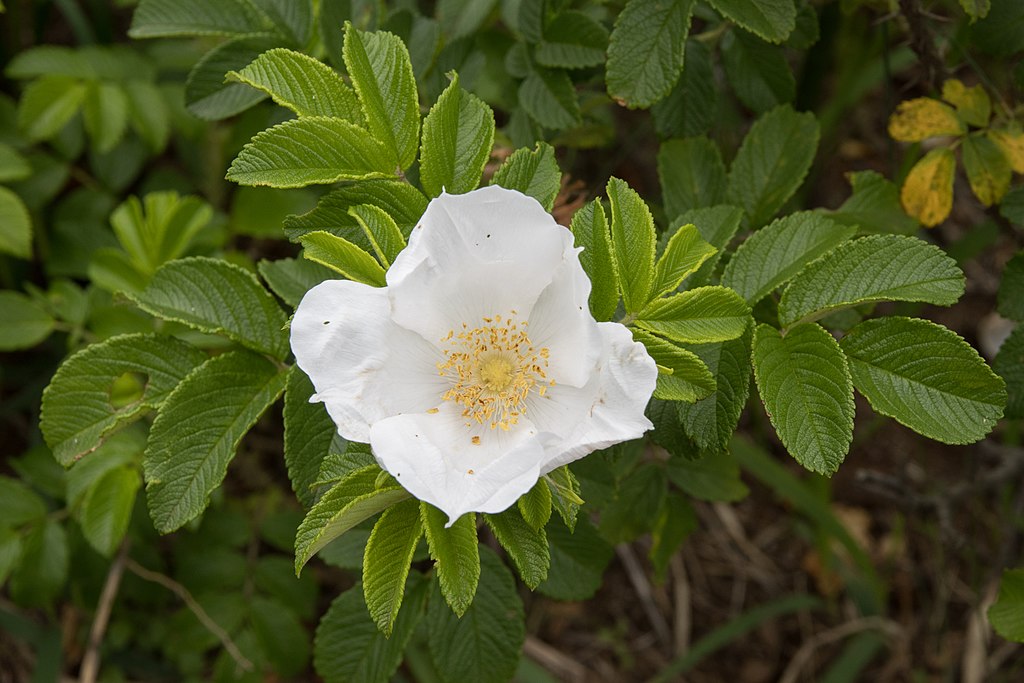
Rosa rugosa f. alba
Σ64 / CC BY 3.0
If a plant is identical to the original but differs in just one way such as leaf colour or flower colour, then it is known as a form.
This is represented by the letter f. before the form name.
The plant above is Rosa rugosa f. alba - ‘alba’ is the form name. It is called ‘alba’ because the flowers of this normally dark pink rose are white in this form of the plant.
Have another look at some plant names in books or on the internet and see if you can identify which parts of the names are the genus and species, and if they have them cultivar, variety, subspecies or form.
Example website: Plant list ordered by botanical name with pictures from Victoria Garden, Redding [A-B] (kapsenbergdesign.com)