Part 2: Botanical terminology
6. Parts of a flower

Derived from Anjubaba / CC BY-SA 4.0
Vijayanrajapuram / CC BY-SA 4.0
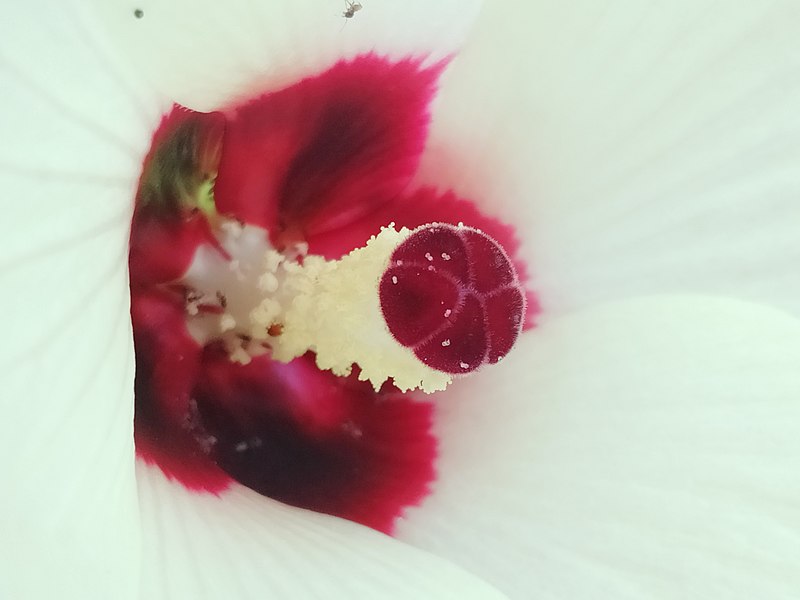
The top of the female reproductive parts. A sticky bit where pollen lands.

The stem, or stalk, that hold up the stigma. Part of the female reproductive parts.
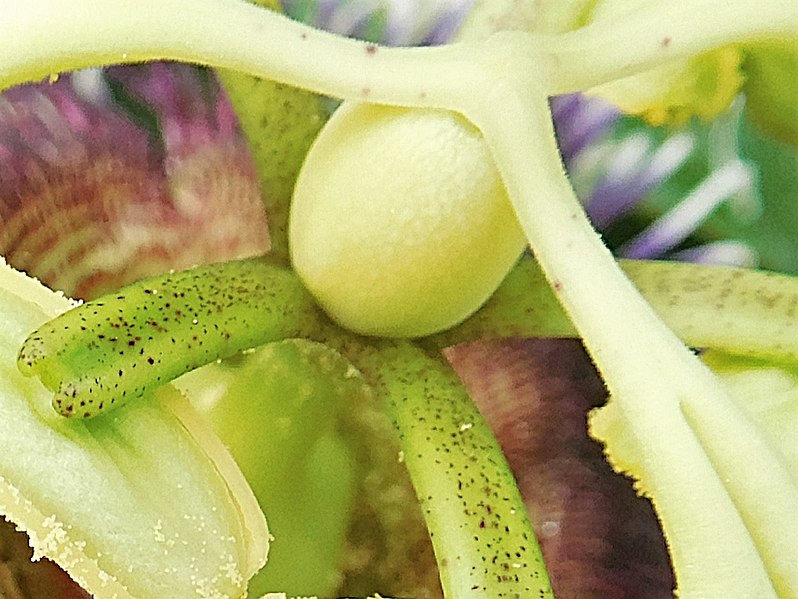
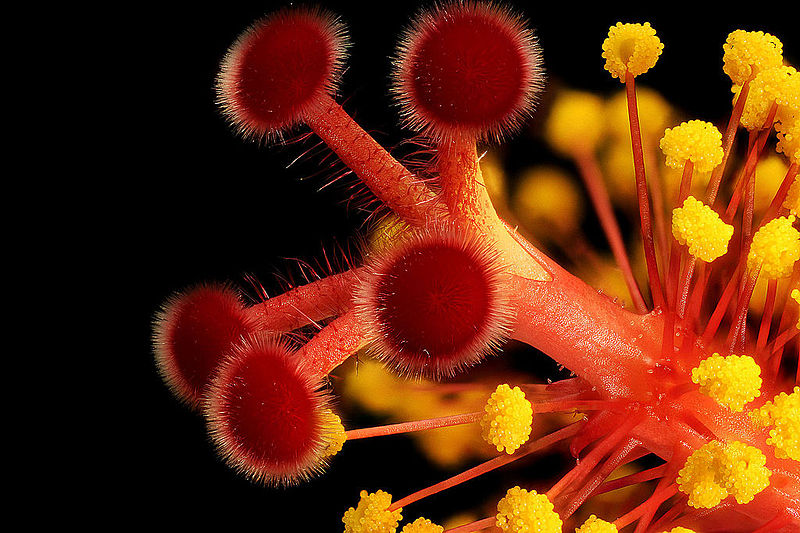
The female reproductive parts made up of the ovary, style and stigma. Also known as the carpel.
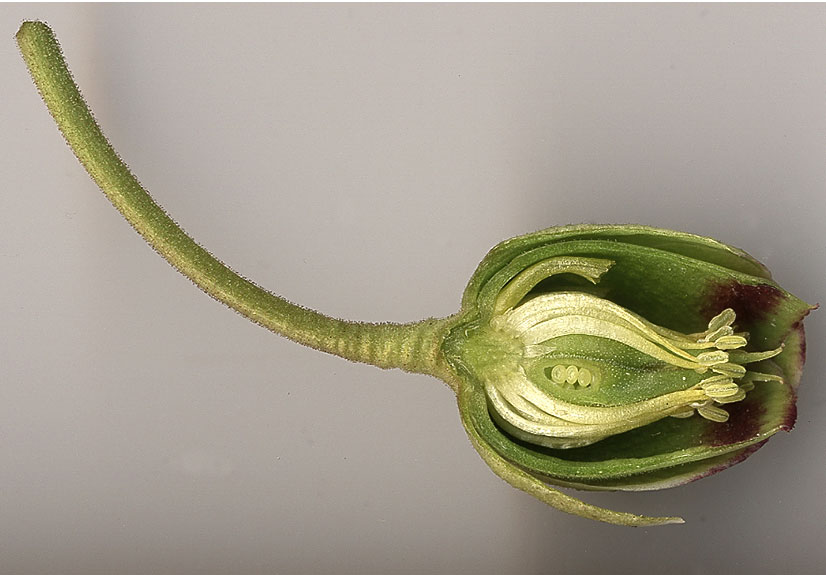
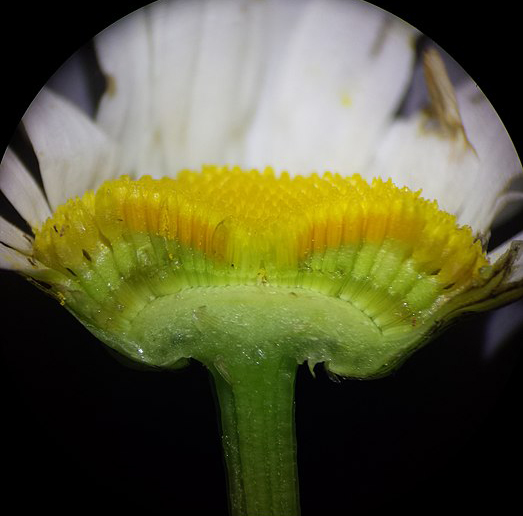
The area of normally green tissue at the base of the flower that hold all of the parts of the flower together.

The normally green leaf-like structures around the base of the flower which encased and protected the developing flower when it was in bud.
Do an internet search for ‘flower parts diagram’ and look at the different diagrams. Draw your own diagram of a flower in your notebook and label the parts. If you can find some flowers in your garden or from a bunch or flowers, then try dissecting them and seeing if you can spot all the structures in the diagram.