Unit 5: Creative Ageing - Opportunities and Outlook
8.0 Visual Arts and Creative Language Learning
Creativity and engaging with visual arts can offer people with dementia the possibility of
- enjoying themselves
- increasing their sense of self-worth
- enabling them to communicate and express themselves beyond words
- stimulating their brains and senses
In this activity we want to introduce you to an example of a creative way of using visual arts for teaching languages in a mini lesson in Spanish about Surrealism, in this case the Spanish painter Joan Miro’s work. At the same time, learners can compare Miro’s work with paintings from their own cultural context. Here learners can engage in a multitude of ways:
- learn and speak single words as well as entire sentences
- learn about culture
- discuss paintings
- compare views and ideas
Mini Lesson in Practice
This activity focuses on the practical application of the Visual Arts and Creative Pathways. It is designed to inspire and offer ideas about how to incorporate creative activities into language learning activities. It offers a practical and simple example of how to create a multisensory lesson.
Lesson Objectives
- Vocabulary: Colours and shapes + textures
- Art as a way to engage students in a creative way
- Introduction of a cultural and linguistic aspect
Mini Spanish Art Lesson Structure
The session is divided into 2 parts:
- Introduction to colours and shapes through tactile and visual cues
- Non-writing exercises based on matching
ACTIVIDAD 1: Colours
For this activity you will need:
- Flashcards, coloured cardboard, activity coloured cards, and/or colour scarfs or fabrics, bean bags, soft balls, balloons or any domestic object you can bring to the class. Make sure you add a variety of textures, colours and shapes (this can be cut-out magazine paper). Make sure they are big enough, easy to handle and safe.
- Signage: Name of the colours written or printed in the target language in a large font and blue tag.
- Identify significant objects and their colours available in the room and make sure you add them to the lesson at the end.
Start by asking your students:
- What is your favourite colour?
- Repeat the name of the colour in the target language.
- Show the students the objects and name the colours and give it to them. Slowly progress into more complex structures:
- Esto es rojo. (This is red.)
- Este globo es rojo. (This ball is red.)
- El rojo es mi color favorito/preferido. (Red is my favourite color.)
ACTIVIDAD 2: Shapes and Colours
- Ask students to draw a shape: line, circle, triangle, square, etc. Or let them choose objects with those shapes. Repeat vocabulary and write it down on a whiteboard, if possible.
- Identify all the forms, shapes and colours available, but not more than 5. USE THE OBJECTS/PLAY WITH THE MATERIALS
- Alternatively, you can work on a more structure and contained activity that will lead you to the exploration to Joan Miró’s painting.
Example:
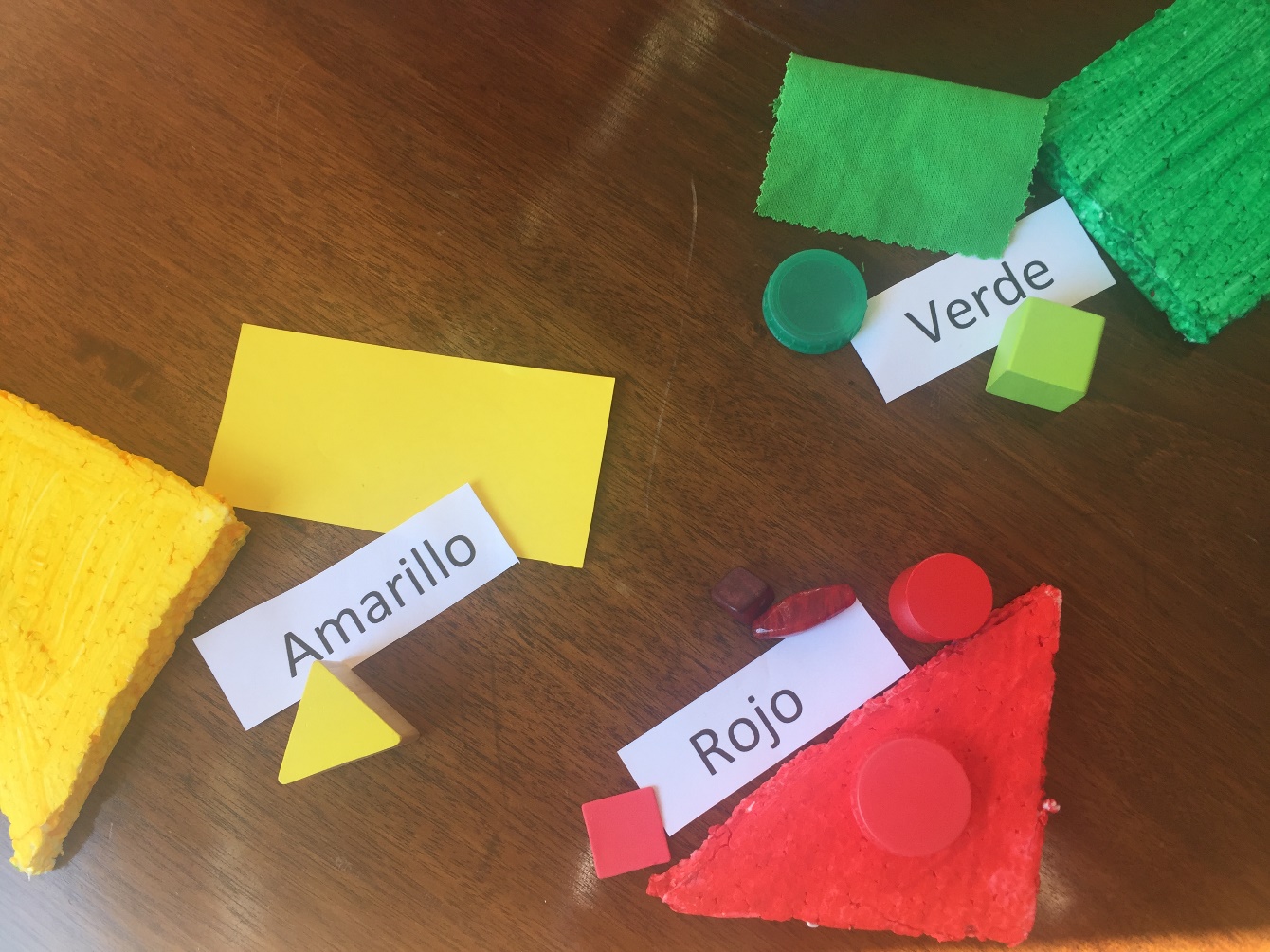
Print several copies of the given flashcards, divide the class into small groups, give them a couple of the matching flashcards (words and shapes). Mix them and ask students to match the shapes with the sentences. You can even start by folding the card with letters leaving only the word that defines the colour and let them identify only the colour before moving on to the next stage. OR print your own works and bring different shaped-objects to match
Exploring Joan Miró’s work
ACTIVIDAD 3: Words into Practice
Begin by asking students if they like art. You can show them a few examples and simply ask them if they like them.
Here some ideas for you:
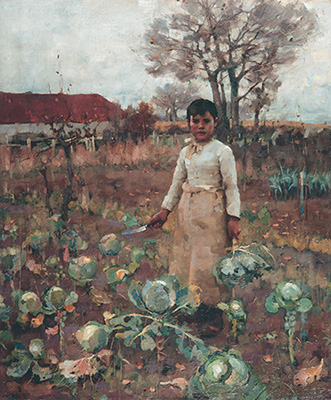
James Guthrie, A Hind’s Daughter (1883)
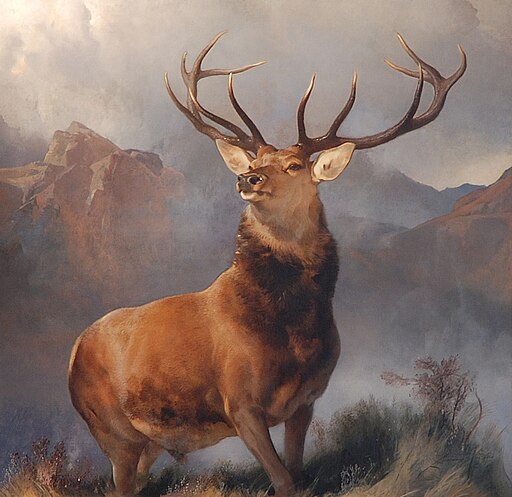
Sir Edwin Landseer, The Monarch of the Glen (1851)
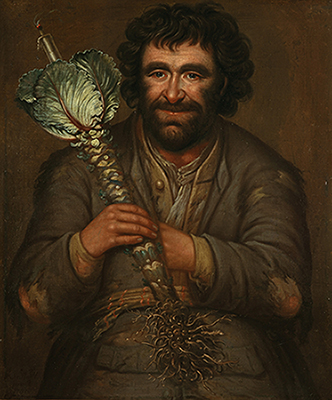
Richard Waitt, The Cromartie Fool, (1731).
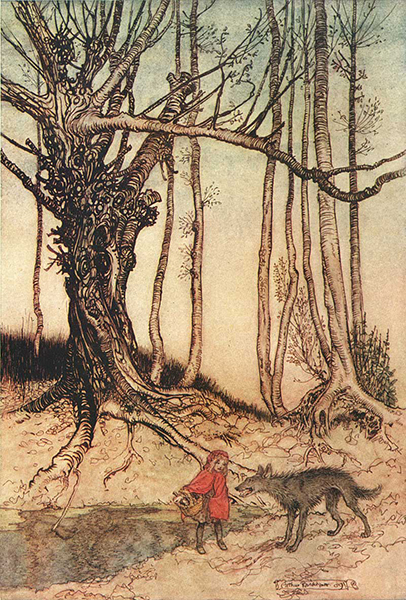
Arthur Rackham, Little Red Riding Hood (1909)
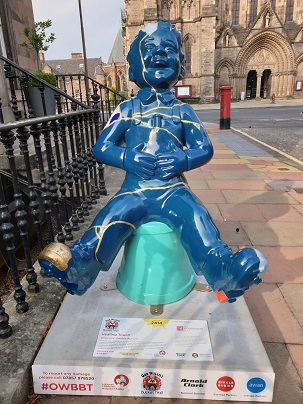
Oor Wullie
2. Introduce your learners to Joan Miró i Ferrà (April 20,1893 – December 25,1983) was a world-renowned Spanish Catalan painter, sculptor, and ceramist who was born in the sea port city of Barcelona.
3. Based on the previous activities, work on the exploration of Joan Miro’s work.
OPTION 1
Show learners the Joan Miro’s ‘The Singing Fish’ or any available picture by Miró that you would like to explore, but make sure you have previously covered the basic vocabulary. Please do not reveal the title of the painting yet!
Ask learners to describe the painting, and if they can, name some objects/shapes and their colours in the target language, for example: Hay una línea roja. Hay una línea amarilla. Un triángulo negro… (Note: You may need to work on simpler structures)
Ask them what they think it is, or what they see. If they get a bit confused with the image/painting, reassure them that they do not have to give a right answer. Let students make sense of the picture and talk through it in English. Give them the title to offer a clue.
Work on the description and repeat vocabulary in the target language. Point to elements in the painting. Use a magnifying glass.
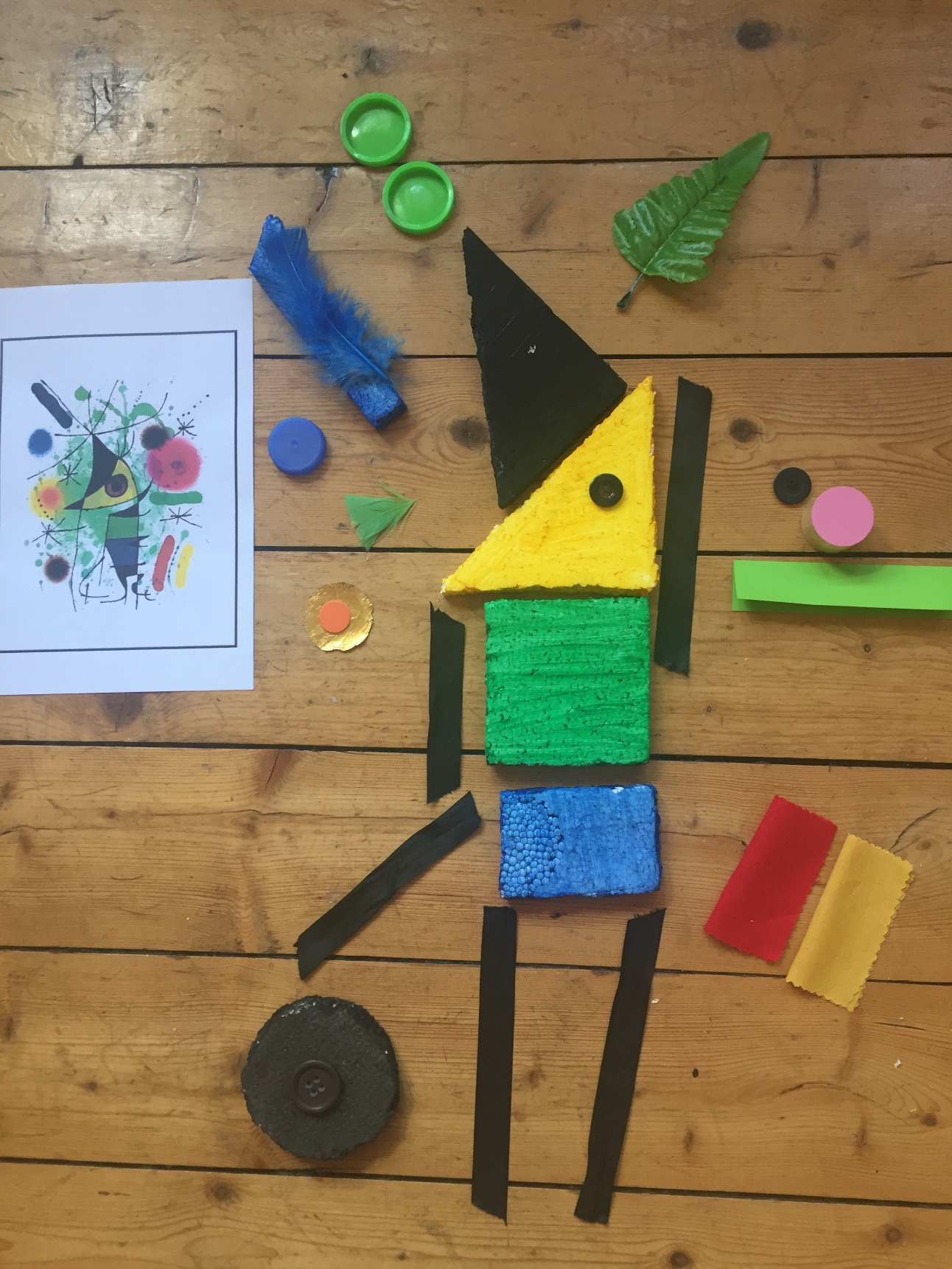
Then get the learners to recreate the painting with the shapes you provide in the different colours themselves. Ask them to lay a shape on the table and if they can, give the name of the shape and the colour in the target language. Ask them to recrate the painting this way as best they can. See the images below as an example.
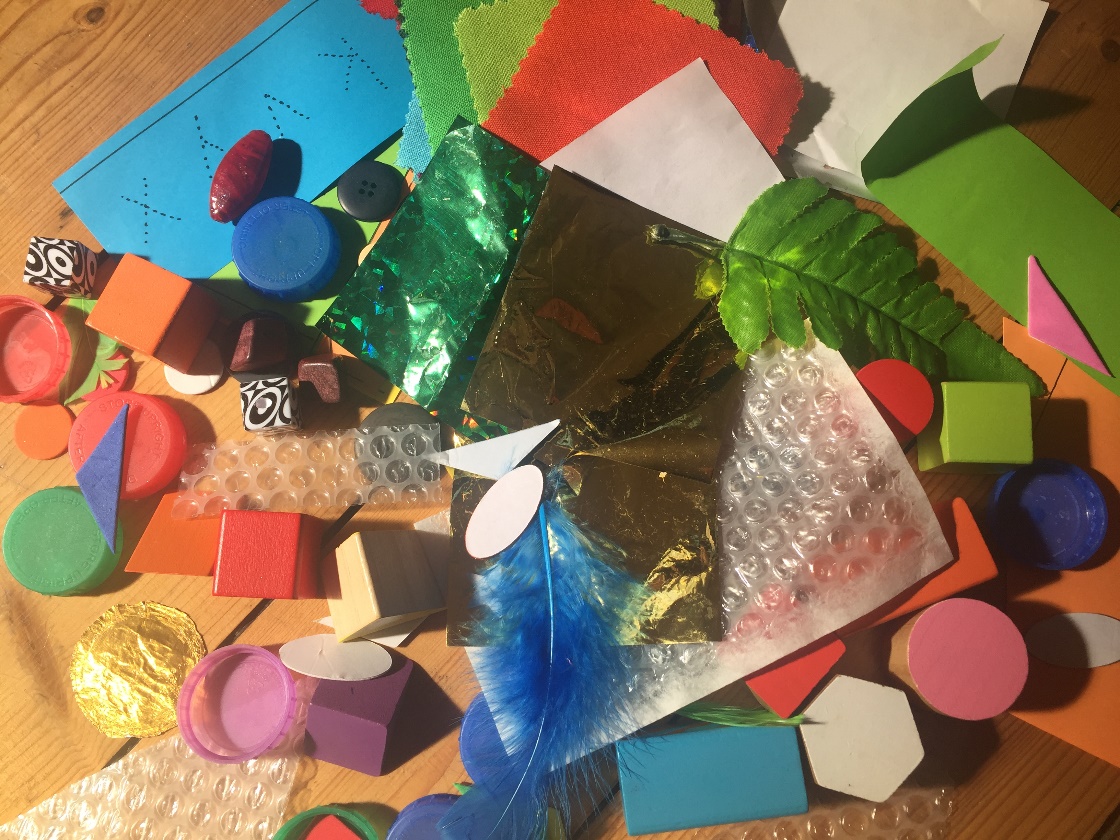
OPTION 2
Joan Miro The Garden
You follow the same steps as in Option 1 but this time combine these shapes and colours with some other sensory materials (e.g. using scents, scented candles or essential oils).
At the start of the activity, teach students some basic words related to the garden in the target language – again you can use an image of a garden and label elements of the image in the target language.
Tell learners the title of the painting even at the start and work on the painting from that perspective, taking into account students’ needs.
You can also talk/try out briefly other surrealist techniques as, for example, explained in the article by Neil Stevenson "5 creative exercises from the Surrealists".