Lesson 2.1: Moral Panic & Media Narratives
In this topic, you will explore how ‘anti-gender’ actors use media to generate fear and outrage around changing norms of gender and sexuality. You’ll learn how emotional tactics - such as sensational headlines, decontextualised images, and alarmist language - frame feminism, LGBTQ+ rights, and reproductive rights as the existential threats to traditional family, nation, or morality. You’ll analyse how these tactics create ‘moral panic’ and mobilise support for restrictive policies under the guise of protecting children, families, or cultural identity.
2. Case Study: United Kingdom
2.1. The UK ‘Toilet debate’
 This case offers a window into how media, law, and public discourse intertwine to shape perceptions of gender and inclusion.
Context
In April 2025, the UK Supreme Court delivered a landmark judgment in For Women Scotland v The Scottish Ministers, clarifying the interpretation of ‘sex’ within the Equality Act 2010 (EA 2010).
The ruling stated that the legal definitions of ‘man,’ ‘woman,’ and ‘sex’ refer to biological sex assigned at birth. While the Gender Recognition Act 2004 allows trans individuals to obtain a Gender Recognition Certificate (GRC), this certificate does not change one’s biological sex under the Equality Act 2010. The judgment maintained that trans people remain protected under provisions concerning gender reassignment, but it effectively narrowed the legal understanding of sex.
Key points of the ruling
|
Media framing and “toilet hysteria”
This ruling reignited what many commentators describe as the UK’s ‘toilet debate’ - a media-fuelled panic over trans people’s access to public restrooms. The focus on bathrooms reflects broader anxieties about safety, gender boundaries, and the visibility of trans bodies in public life.
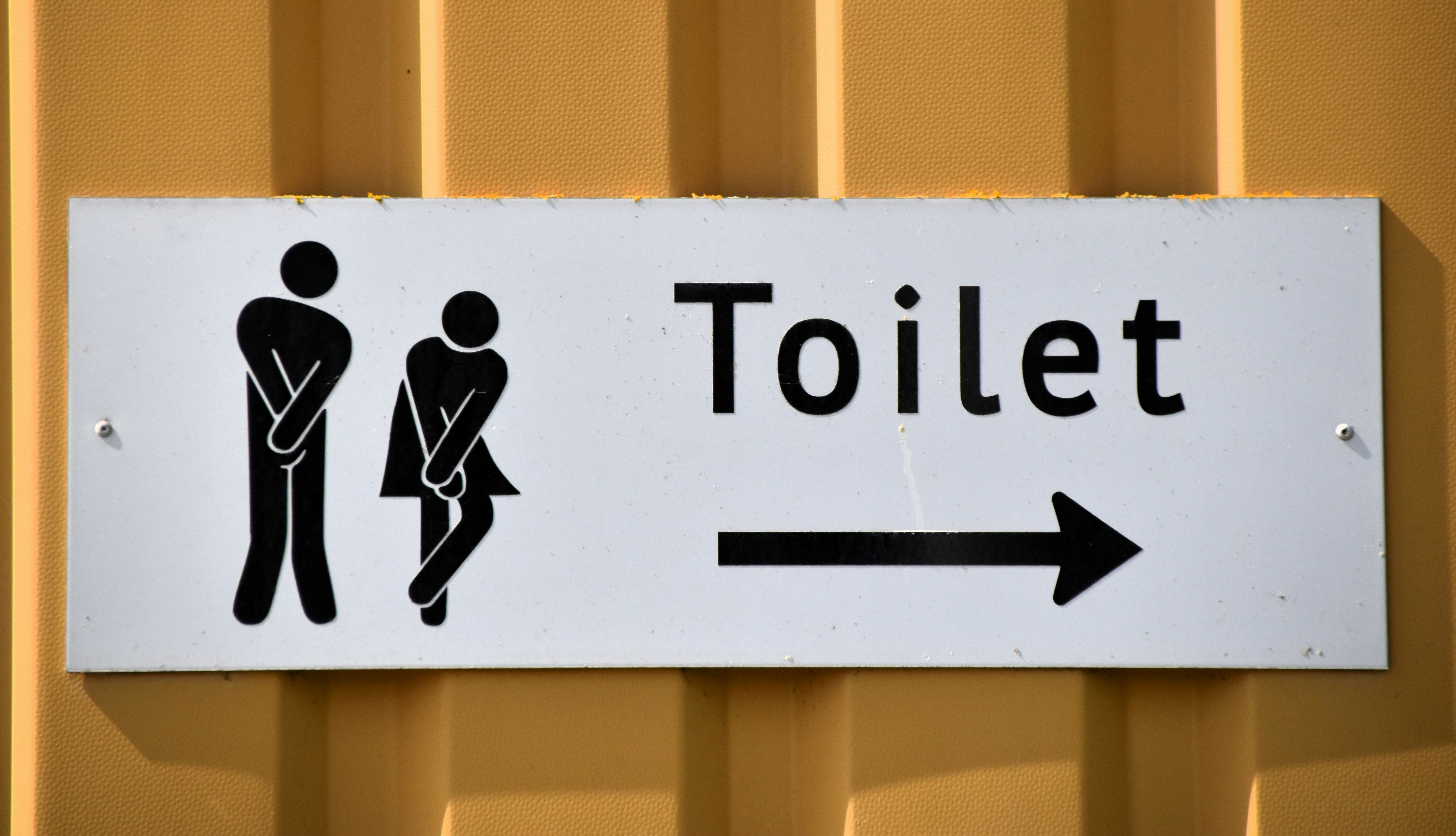 Photo by Waldemar Brandt on Unsplash.