Lesson 2.3: Media Narratives Across Europe
View
In this lesson, we explore how ‘anti‑gender’ movements shape their messages to fit different political and cultural contexts. Rather than using one fixed story, they draw on familiar themes—such as protecting children, defending free speech, or resisting outside influence—and adjust them to match local fears, values, and debates. We look at why these messages can be so effective, focusing on how they appeal to emotions rather than consistency.
5. Demographic anxieties

Migration and Demography
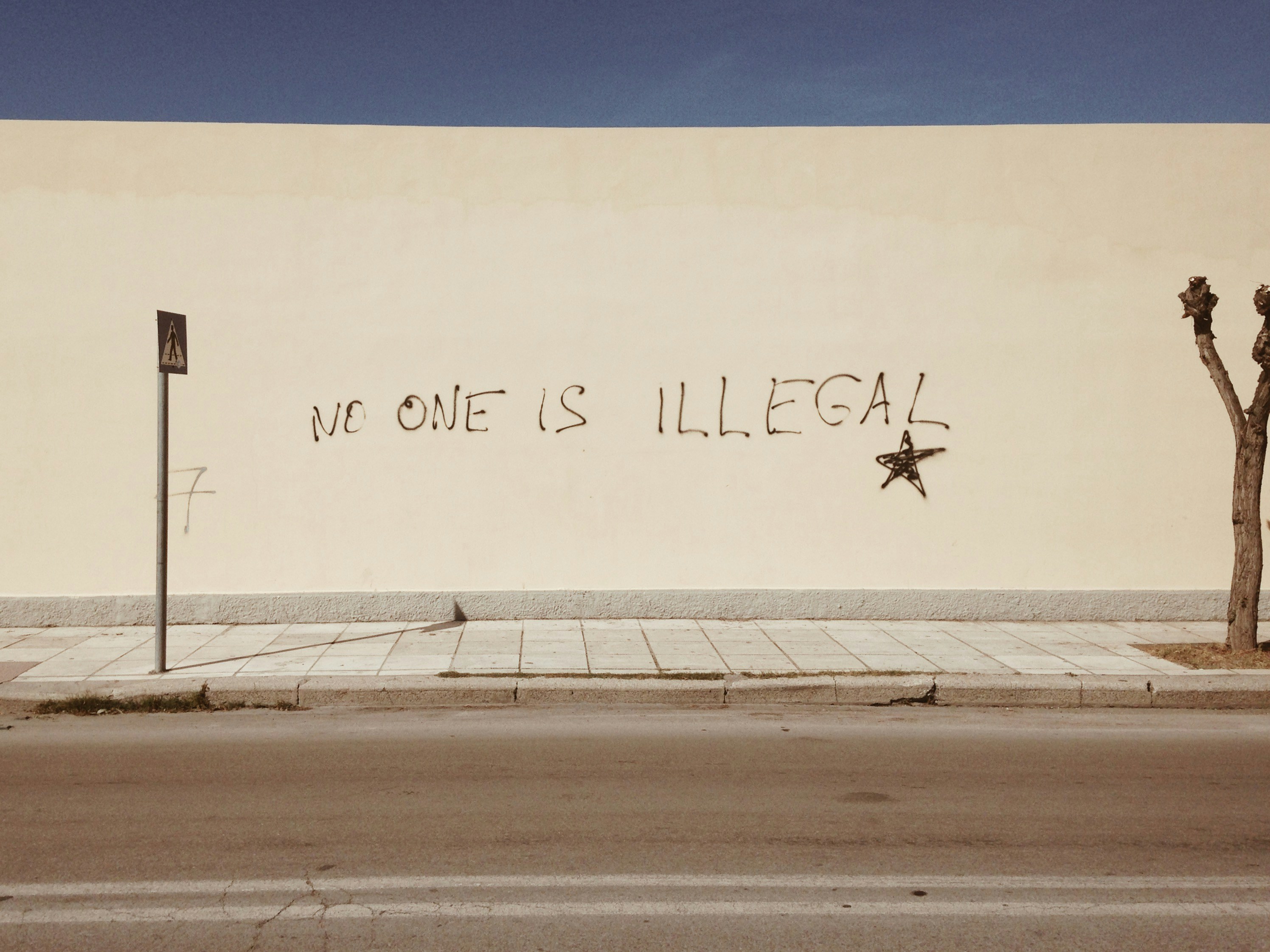
Photo by Miko Guziuk on Unsplash
 |
In Greece, ‘anti-gender’ narratives frequently intersect with debates about migration, national identity, and demographic decline. Feminism, gender education, and LGBTIQ+ rights are sometimes framed by conservative and far-right actors as threats to the Greek family and to national survival, particularly in the context of migration from the Middle East and North Africa. These discourses mobilise moral panic around children and reproduction while linking gender equality to broader fears of cultural and demographic erosion. |
| In Germany, demographic anxieties are often articulated through debates about migration, integration, and social cohesion. Far-right and populist actors link opposition to gender equality, trans rights, and inclusive education to concerns about declining birth rates among ‘native’ Germans and the perceived cultural impact of migration. ‘Anti-gender’ rhetoric here frequently converges with narratives about protecting children, preserving social order, and defending ‘neutrality’ in public institutions, embedding gender politics within broader struggles over national belonging. |  |
These factors show that ‘anti-gender’ narratives gain traction not in isolation but by tapping into deeper tensions around identity, sovereignty, and belonging. Gender becomes a symbolic battlefield through which broader anxieties – about migration, democracy, or cultural decline – are expressed.