Module 7
Continuous Improvement
In this module you will see how continuous improvement drives PMO maturity.
Estimated study time: about 50 minutes. Suggested week: 7.
7.1 Why continuous improvement matters
A PMO that doesn't evolve becomes irrelevant. The organisation, its strategy, its technology and its people all change, and a PMO that stays the same slowly stops fitting.
7.2 The improvement cycle
The cycle has four stages, shown in Figure 3:
- Assess: understand current performance using evidence.
- Improve: choose one specific change and make it.
- Measure: check whether the change worked.
- Embed: make it routine by updating templates and procedures, training people and giving it an owner.
Embedding is the stage most often skipped. Without it, improvements fade. If you know Plan-Do-Check-Act (PDCA), the cycle will feel familiar.
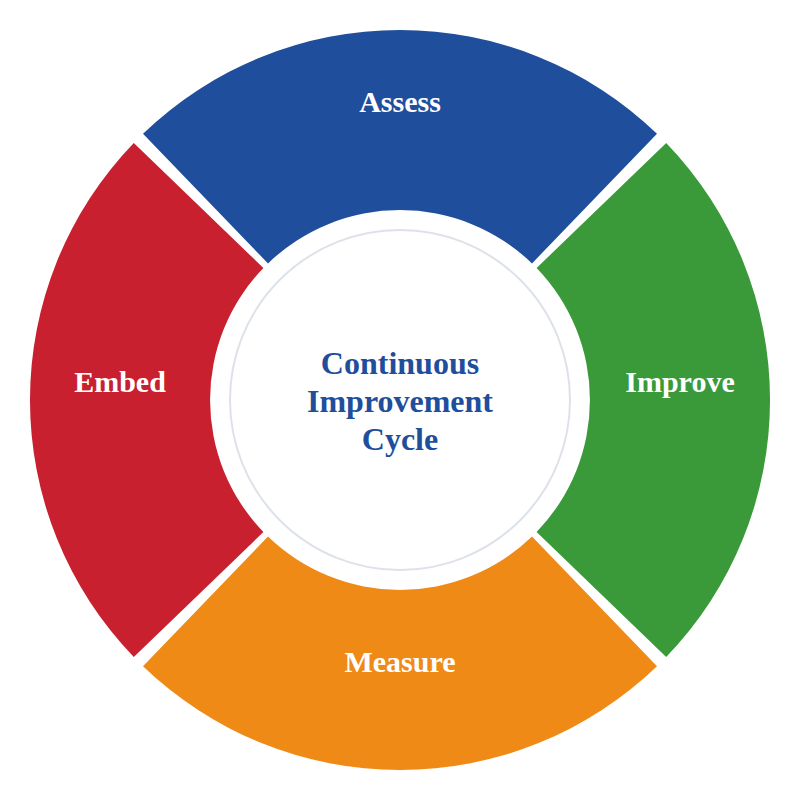
Figure 3: The Continuous Improvement Cycle
7.3 Data-driven PMO evolution
Use data to decide what to improve: KPI trends, SLA breaches, maturity assessment results and stakeholder feedback.
For example, if monthly reports are repeatedly late (Assess), you might ask teams for inputs earlier (Improve), track on-time delivery (Measure), then update the procedure and train new starters (Embed).
A CI-driven PMO regularly reviews governance, updates templates, strengthens dependency management, improves resource planning and adapts to organisational change.
Key points
- A PMO that does not evolve becomes irrelevant.
- The cycle is Assess, Improve, Measure, Embed.
- Data tells you what to improve; embedding makes it last.