
Find out about The Open University's Social Work courses.
Social work is a relatively new profession. In 2028, it will mark 100 years since its first international conference in Paris. Across the world, the profession continues to evolve and take shape in different contexts, a complexity reflected in descriptions such as being in flux (Daniel et al., 2013) and perpetually at the crossroads (McCulloch, 2018).
Social work’s connections to some of our most important public institutions are often overlooked. Clement Attlee worked as a social worker at Toynbee Hall before becoming British Prime Minister and leading the government that established the NHS in 1948. Aneurin Bevan, the minister who brought the NHS into being, was married to Jennie Lee, who later championed the establishment of The Open University (OU). Defining social work and tracing its timeline in any nation is not easy.
In this article, our focus is on social work as it developed in the United Kingdom between 2006 and 2026. In each of the four nations that comprise the UK, social work and social work education are regulated by a distinct governing body. This means that the education of social workers and the oversight of their practice is shaped by different legislation, policy and perspectives in each nation, creating challenges for educators, practitioners and policymakers alike.
In 2027, the OU will mark 30 years since it began delivering social work qualifications. One way of fathoming the complex picture of social work is through the lens of the OU’s social work programmes. It is the only higher education provider to deliver social work training for all four UK nations; a challenging undertaking as the curriculum has to meet all regulatory and sector requirements while offering a programme of both academic and practice study which is tailored to local contexts. In addition, it is important to recognise social work’s identity as a local profession whilst being mindful that it is also undertaken globally. All nations except England have had a consistent regulator since 2003.
While space does not permit a full exploration of this ongoing challenge, our aim is highlight key milestones between 2006 and 2026 for each of the nations to provide an insight in how social work has changed over the years. We shall do so in alphabetical order:
Cymru (Wales)
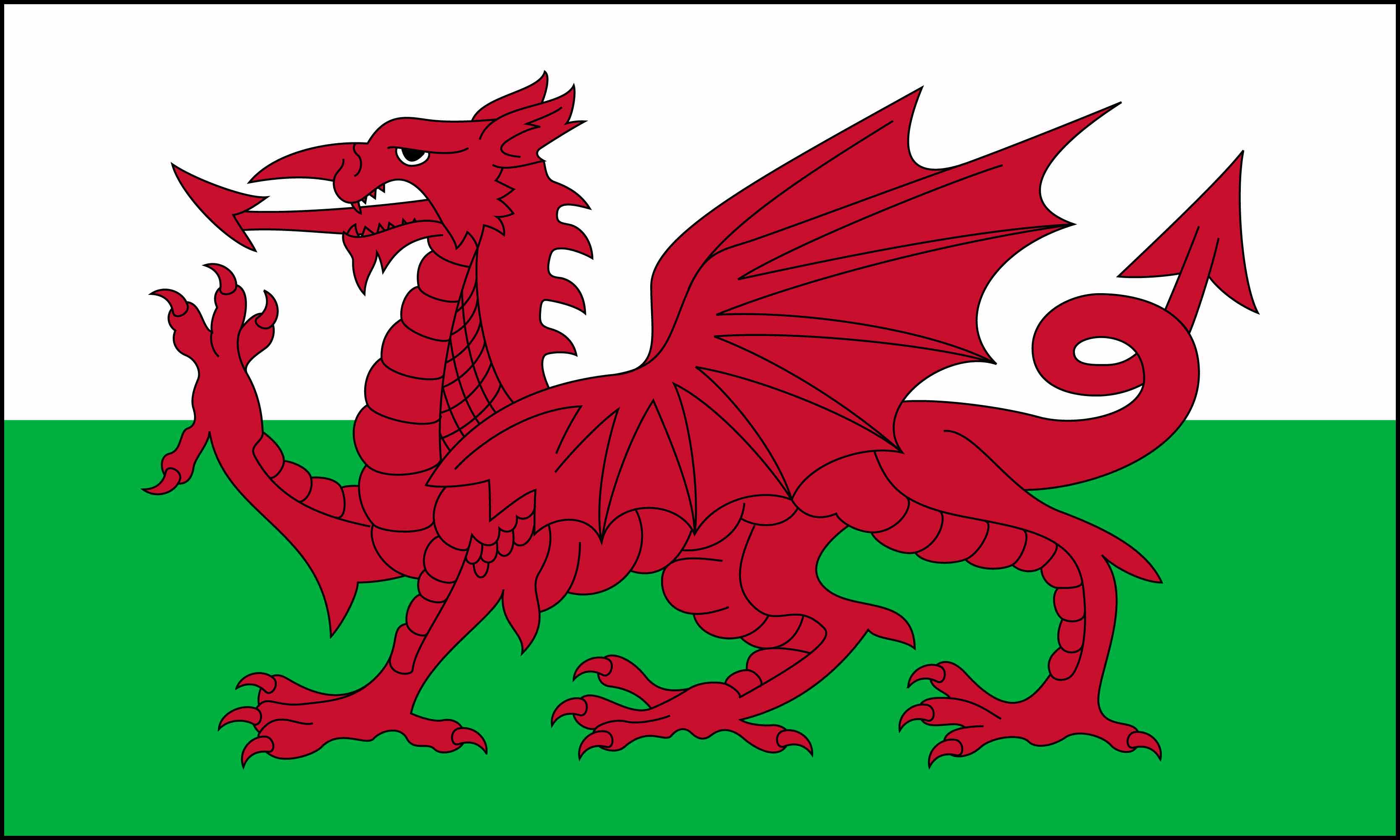
In Wales, the Social Services and Well-being (Wales) Act 2014, implemented in 2016, brought significant changes by placing greater emphasis on well-being, prevention and people’s voice and control. In 2017, the Care Council for Wales became Social Care Wales, taking on an expanded role in improvement and workforce development.
Language and culture are vital markers of identity. The OU’s curriculum has been commended for embedding Welsh language and culture, which demonstrates the importance of educating for the local context rather than applying a one-size-fits-all approach across the UK.
England
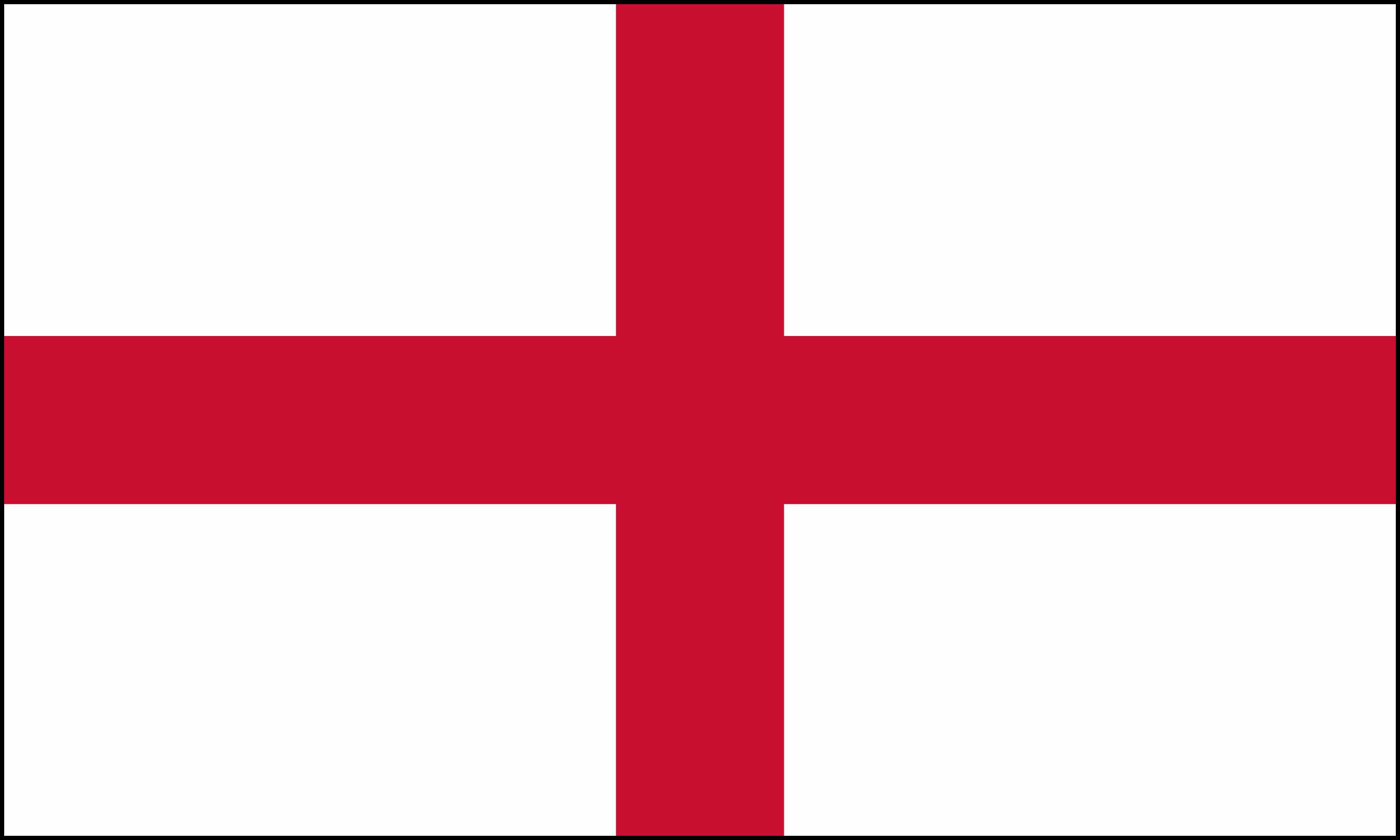
Over the past 20 years, England has experienced successive changes in professional regulation: moving from the General Social Care Council to the Health and Care Professions Council in 2012, and then to Social Work England in 2019.
The Care Act 2014 also reshaped responsibilities for adult social care. Changes in education have included new routes to qualification, including degree apprenticeships. The OU has played an important role in widening access through work-based learning, enabling those already working in social care to study for a professional qualification whilst remaining in employment.
Northern Ireland
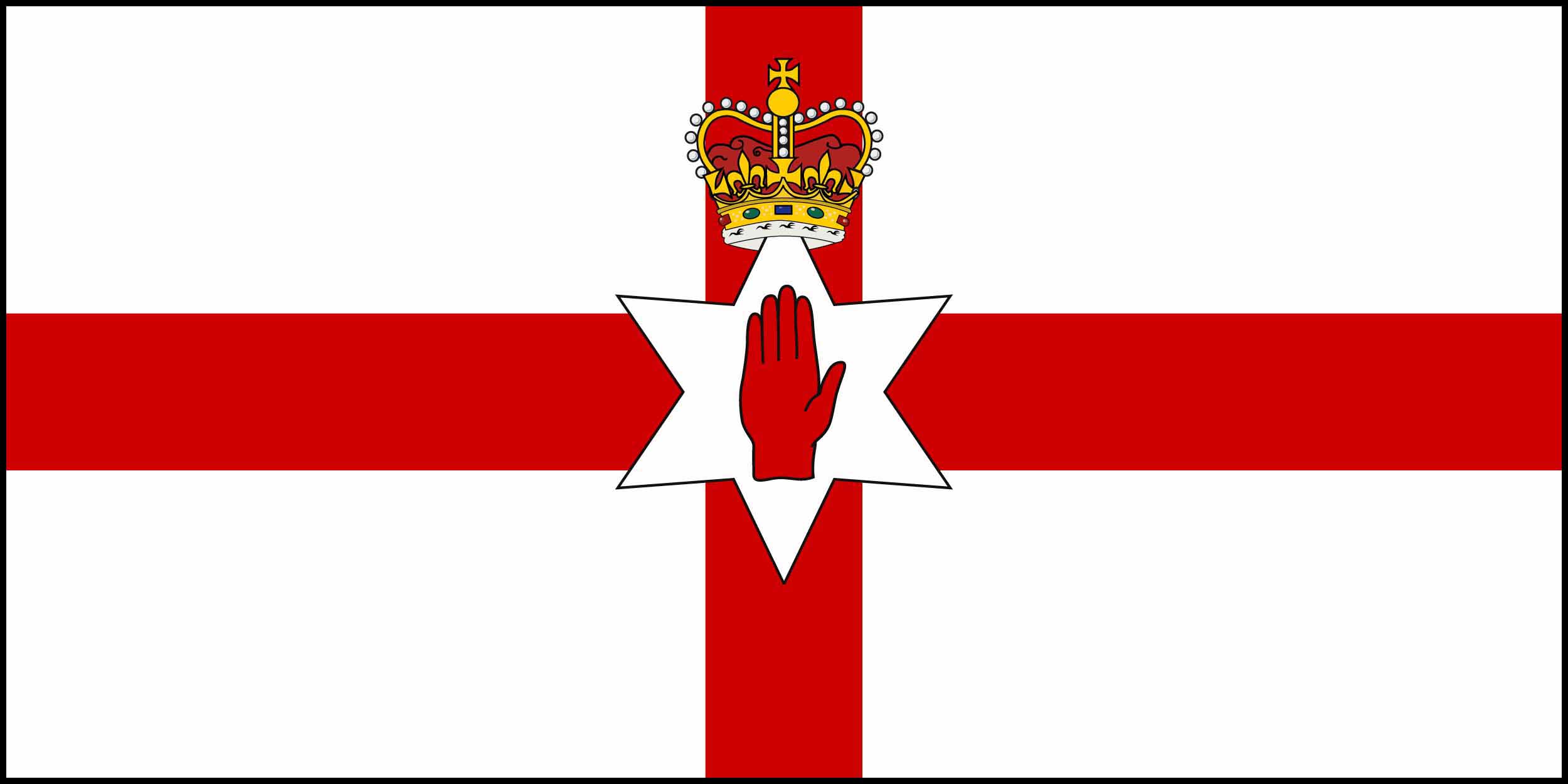
Northern Ireland provides another distinctive context, with social work integrated within health and social care services. In 2006, newly qualified social workers began undertaking a compulsory Assessed Year in Employment, reinforcing the importance of continued learning after qualification. The OU’s subsequent introduction of an approved work-based social work degree has provided another route into the profession. As elsewhere, the core challenge remains balancing shared professional knowledge and values with an understanding of national legislation, services and communities.
Scotland
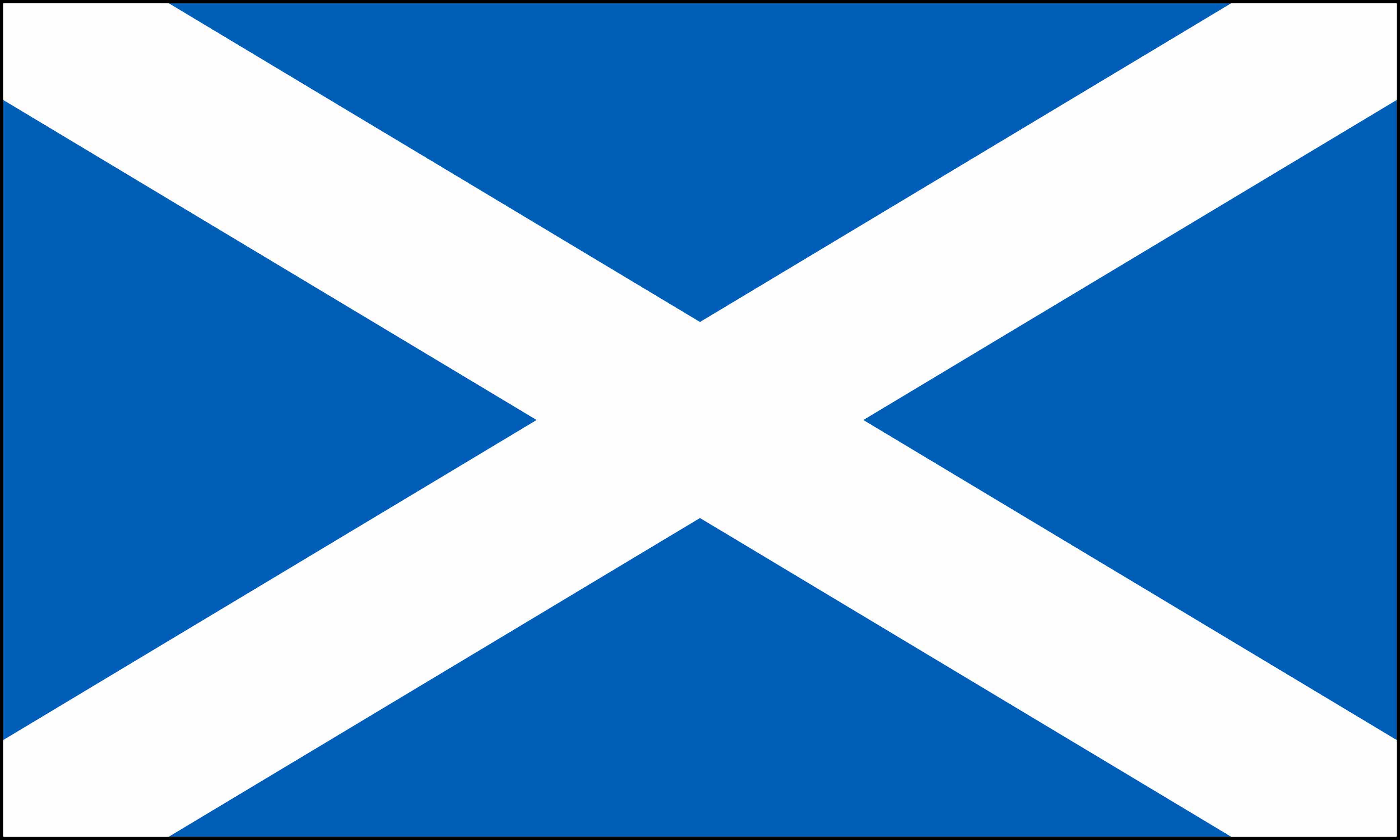
In Scotland, this 20-year period began with Changing Lives, the 2006 review of social work, which concluded that ‘doing more of the same won’t work’ – a challenge that still remains today. Unlike England and Wales, Scotland has retained justice social work within local authorities rather than operating a separate probation service.
More recently, The Promise (2020) has challenged the care system to listen to children and families and change how support is provided. The OU’s development of nation-specific teaching, including modules such as Social work and the law in Scotland, illustrates how such differences must be reflected in professional education.
Social work education at the OU
Across all four nations, the OU has worked with more than 300 employers and supported over 4,300 people to qualify as social workers. Its contribution also extends beyond teaching. Social work research and scholarship at the OU spans family support, mental health social work and workforce development. These are just some examples of a much wider contribution made by programme leaders, academics, associate lecturers, practice educators, employers and people with lived experience who have helped shape social work education over the years.
Twenty years is a relatively short period in social work’s history, yet it has seen significant changes in legislation, regulation, education and practice. Throughout this time, social workers in all four nations have also faced growing demand, austerity, the Covid-19 pandemic and continued social inequalities. What remains recognisable is the profession’s commitment to people, relationships, human rights and social justice. Reflecting on these 20 years offers an opportunity not simply to celebrate progress, but to consider what has endured, what has been lost and what needs to change.
Explore the other articles in this collection...
-
20 years in… What’s changed?
Read now to access more details of 20 years in… What’s changed?A lot can change in 20 years! From scientific discoveries and technological advances to shifts in society and culture, explore how different subjects have evolved since OpenLearn first launched in 2006.

Level: 1 Introductory
Rate and Review
Rate this article
Review this article
Log into OpenLearn to leave reviews and join in the conversation.
Article reviews