
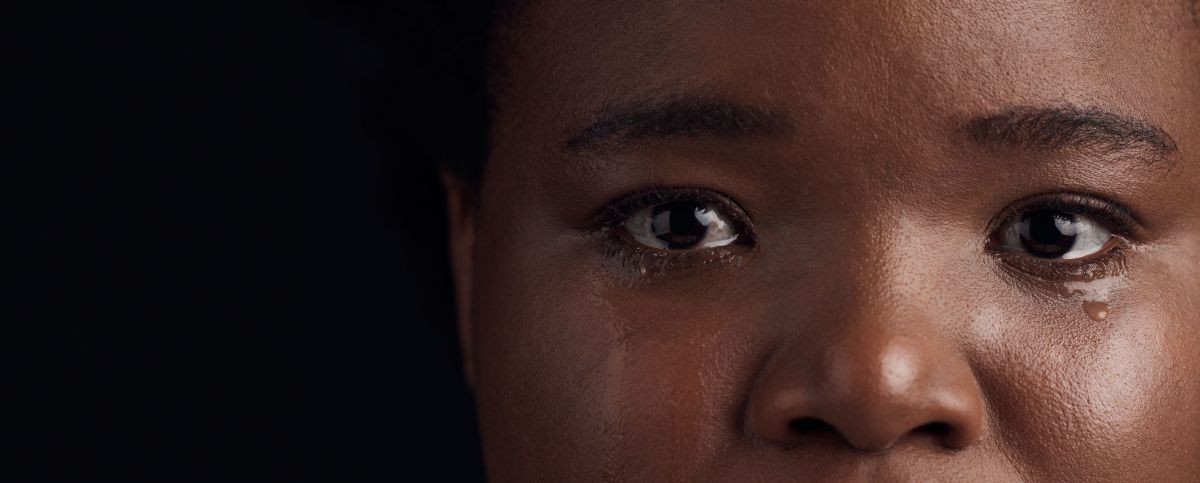
Female genital mutilation (FGM) is a long-standing harmful practice that has been carried out over many generations and is most prevalent in Africa and Asia. It was once practised widely in mainland Europe, England and America as a means of treating hysteria and enforcing sexual obedience in women before being phased out, and eventually criminalised, in Western society by the close of the Victorian era (End FGM EU, 2019).
 Today, despite laws banning FGM, it remains an issue affecting women in nations that continue to practice FGM and has become an issue for countries such as the UK and Ireland due to international human migration.
There are no evidence-based health indications or benefits to justify FGM. Instead, a multitude of complex cultural and socio-economic factors that can differ within and across countries, and within ethnic communities and families, provide some explanation for the persistence of this harmful practice. A predominant driver of FGM is the implicit and explicit pressure exerted by powerful long-standing socialisation processes that reinforce:
- conformity to societal expectations and norms
- a need to be accepted by the community
- fear of rejection for non-compliance.
FGM has largely been practised in patriarchal societies where men believe they have ownership of the lives and sexual and reproductive activities of females. It is tied up with family honour and the financial wellbeing of families. In some countries, FGM attracts a ‘bride price’ or ‘bride dowry’ payment from the groom’s family in marriage agreements and there may be financial incentives for ‘cutters’ to perform the procedure. Deprived of education, autonomy and legal protection, and dependent on husbands, fathers and families for financial existence, many girls and women may have had no choice but to comply with or be forced into FGM. Senior female family members, for all the above reasons, often play a complicit part in the procedure and in ensuring female relatives undergo FGM, reinforcing the practice (Althaus, 1997).
FGM has evolved over many generations to become deeply and inextricably entwined and engrained with:
- misconceptions about religious beliefs, even though none of the established religions advocate FGM
- societal beliefs involving rites of passage rituals on the journey from girlhood to adulthood
- purity for marriage and matrimonial fidelity
- notions about hygiene and cleanliness.
In countries that practise FGM, the procedure has usually been performed by a lay person with no medical training, often referred to as a ‘cutter’. The cutting is commonly performed using non-medical, unsterile, sharp instruments, such as knives, razors blades or broken glass. Typically, anaesthesia is not administered to numb the area and manage pain during the procedure. In most cases, the girl is held down and restrained by a family member or others from the community.
Medicalised FGM
In recent years, international and professional organisations have raised grave concerns about the emergence of medicalised FGM, where the procedure is undertaken by qualified healthcare professionals using clinical methods and instruments. Egypt, Sudan and Guinea have some of the highest prevalence rates of medicalised FGM even though the practice is illegal in these countries. The World Health Organisation (WHO, 2025) has sounded the alarm that one in four FGM procedures are now medicalised amounting to over 50 million women and girls being subjected to FGM by health care providers. It is suggested that healthcare practitioners may be erroneously performing medicalised FGM for several reasons, including:
- to legitimise FGM
- to fit in as members of their community
- for financial gain
- wrongly believing medicalisation to be safer with less complications
- to assist with phasing out of the practice.
However, health care professionals that engage in FGM practices are violating human rights and their professional codes and are breaking the law. The World Health Organisation (WHO, 2025) vigorously calls for an end to medicalised FGM as it perpetuates and risks normalising an illegal, unsafe, violent and harmful practice and grossly undermines eradication efforts. FGM can never be condoned; no matter if undertaken by a lay cutter or by a healthcare practitioner.
For further reading about why FGM is practised, we signpost you to the work of authors with similar and opposing perspectives who critically debate FGM through anthropological, human rights, public health, and social scientist lenses. They discuss the complexities of social norms, social convention, pluralistic ignorance, human rights, universalist and cultural relativism and feminist approaches (Fisaha, 2016; Shell-Duncan et al., 2018; Gruenbaum et al., 2022; UNICEF, 2022; Van Bavel, 2023; Burrage, 2025).
Further Resources
Advice
- Talk to your GP: you can talk them about the feelings you are having, and they may refer you to specialist services if they feel it will help you.
- Health care professionals may have access to support resources through their professional bodies and employing organisations.
- Students will have access to support resources on their university website.
Try a related free course
-
Exploring issues in women's health
Learn more to access more details of Exploring issues in women's healthThis free course will introduce social model approaches to health and wellbeing, which take as their starting point not the scientific context of the body, but the social context in which women live. The focus is on women and the impact of social and cultural factors on women's health. The course touches on various issues concerning women's ...

-
Human rights and law
Learn more to access more details of Human rights and lawHuman rights now seem to take precedent over many areas of our lives, but where do these rights come from and how did they develop? This free course, Human rights and the law, looks at the impact of the European Convention on Human Rights and its influence on law in the UK and examines the Human Rights Act 1998.

-
So, you want to be a nurse? A brief introduction to nursing
Learn more to access more details of So, you want to be a nurse? A brief introduction to nursingThis free course provides an overview of what nursing entails. Focusing on nursing in the UK specifically, but also looking at its place globally, you will learn about the four fields of nursing in the UK, what nurse training involves, as well as what makes a great nurse. This course offers a brief introduction to the nursing profession and ...

FGM Collection
 This resource belongs to the FGM Collection on OpenLearn, designed for students and professionals in health, social care and related fields to support understanding, safeguarding practice, and compassionate, person-centred care.
Rate and Review
Rate this article
Review this article
Log into OpenLearn to leave reviews and join in the conversation.
Article reviews